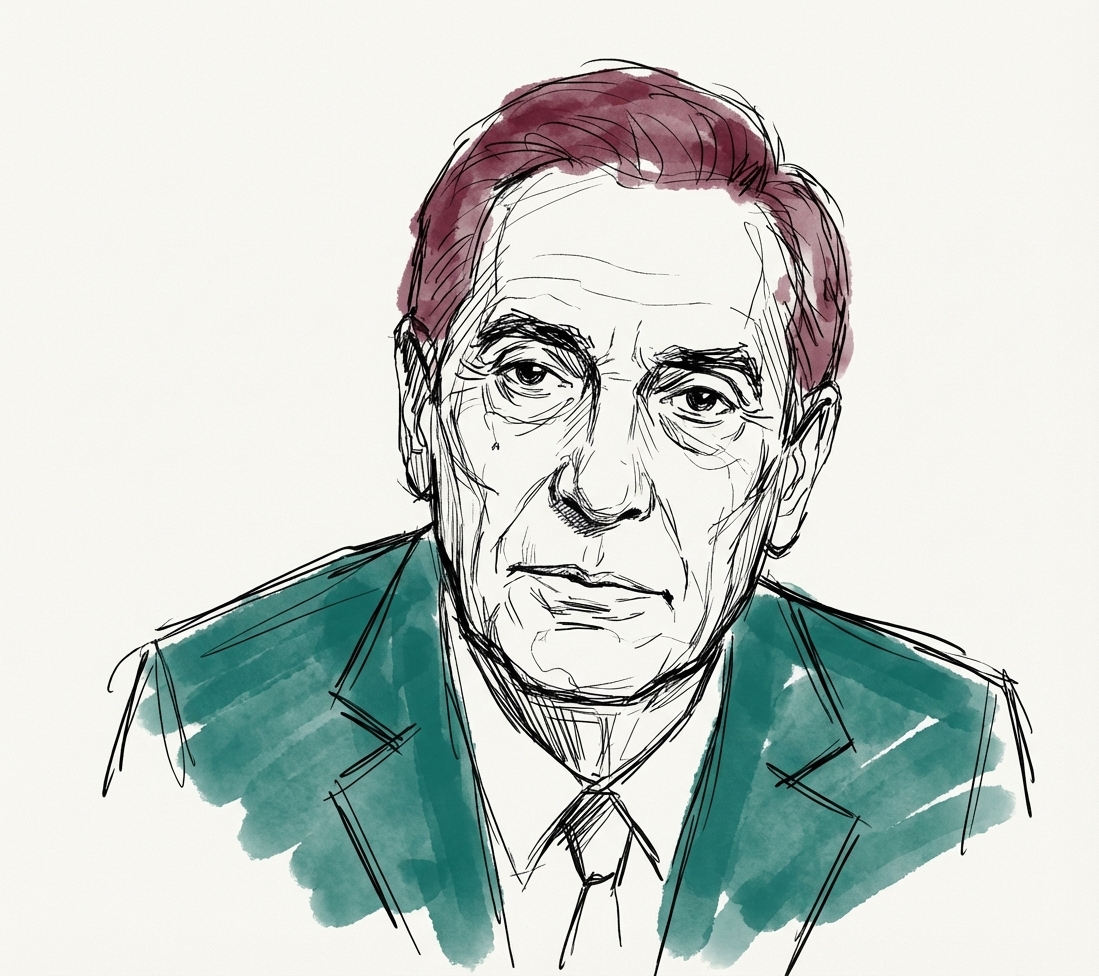
What structural reforms will the new FIGC president inherit from Gravina's damning report?
Timeline for Gabriele Gravina
Malago wins the vote to rebuild Italy
2026 FIFA World CupMentioned in: Italy votes for a FIGC president
2026 FIFA World CupMentioned in: Malagò past 50% as FIGC candidacies filed for 22 June
2026 FIFA World CupMentioned in: Italy two votes from a pre-vote majority
2026 FIFA World CupMentioned in: Serie A hands Malago a 20-point brief
2026 FIFA World CupBackground
Gabriele Gravina resigned as president of the FIGC on 2 April 2026, three days after Italy lost 4-1 on penalties to Bosnia and Herzegovina in their World Cup playoff, making them the first former champion to miss three consecutive World Cup tournaments. He had resisted simultaneous pressure from Sports Minister Andrea Abodi, senator Claudio Lotito, and Lega Calcio but stepped down after a Rome board meeting. His departure ended an eight-year tenure during which Italy won Euro 2020 but failed to qualify for both the 2022 and 2026 World Cups.
In lieu of a parliamentary hearing, Gravina submitted a written report on 8 April 2026 providing the most quantitative diagnosis of Italian football's structural decline yet published: Serie A ranks 49th of 50 monitored leagues for minutes given to U21 players at just 1.9%; foreign players hold 67.9% of all Serie A minutes; and manager Gennaro Gattuso completed fewer than 15 training sessions across ten months before the Bosnia defeat. He retained his UEFA vice-presidency at the time of his FIGC exit. The report became the evidence base for the reform debate his departure opened.
Giovanni Malagò was elected FIGC president on 22 June 2026, succeeding Gravina and taking charge of the federation's reconstruction ahead of Italy's campaign for Euro 2028 qualification. Italy have not appeared at a World Cup since 2014, a gap now extending to at least 2030. Gravina's legacy is a decade that combined one of Italy's greatest international triumphs with an historically unprecedented qualification collapse, and a data report that will frame Italian football governance for years.