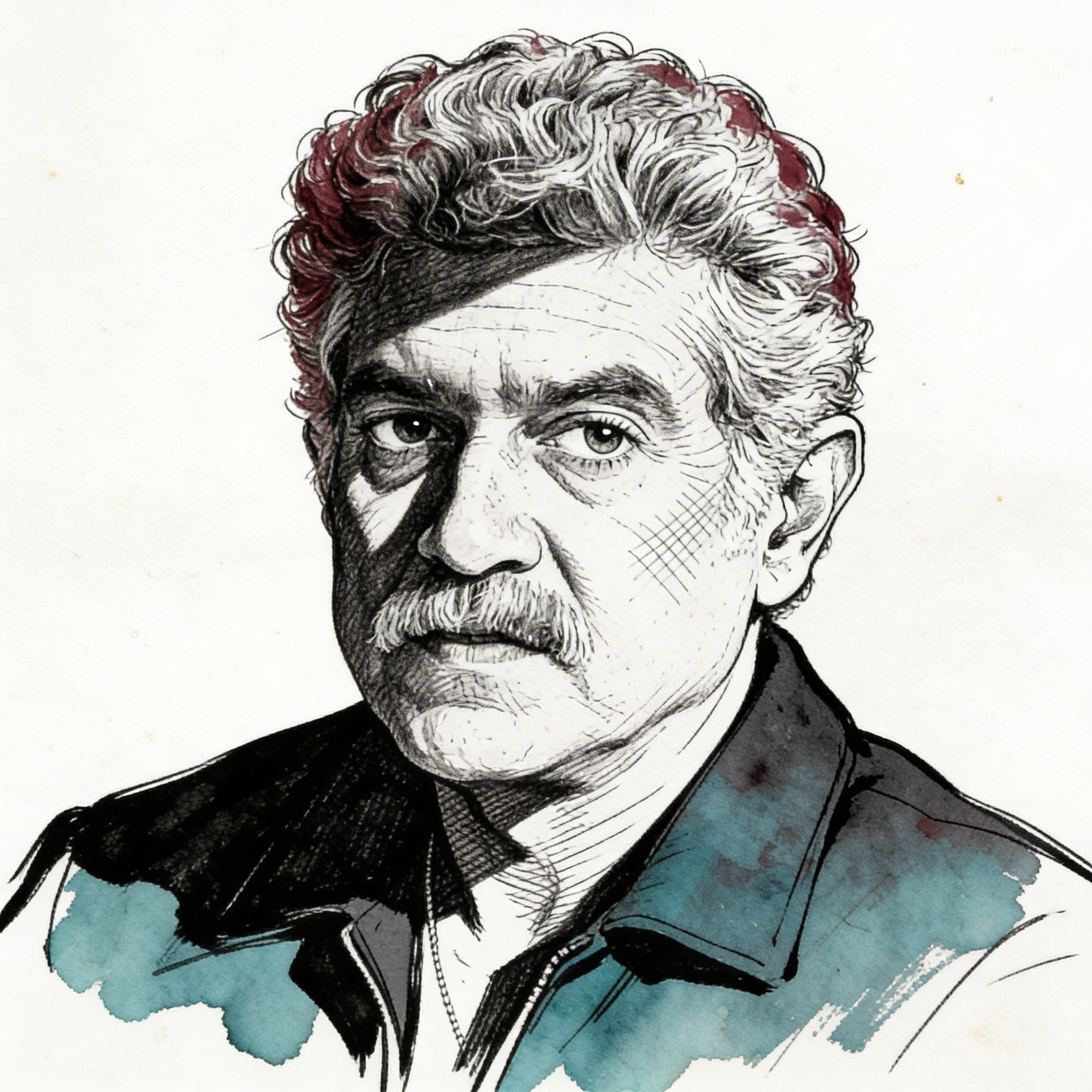
Zamir Akram
Former Pakistani Ambassador to the United Nations; Islamabad proximity talks analyst.
Last refreshed: 11 April 2026
Why does Pakistan's former UN envoy call the Islamabad talks a 'breathing space'?
Timeline for Zamir Akram
Mentioned in: Araghchi flies home; Witkoff grounded in DC
Iran Conflict 2026Hosted first US-Iran proximity talks since 1979 in Islamabad
Iran Conflict 2026: Islamabad talks open in separate roomsBackground
Zamir Akram, former Pakistani Ambassador to the United Nations Conference on Disarmament in Geneva, publicly framed the 11 April 2026 Islamabad proximity talks between the United States and Iran as a process defined by modesty rather than breakthrough. Akram described Pakistan's stated success bar as 'breathing space, not expecting anything big', a reading Al Jazeera quoted at length as an authoritative Pakistani view on what the summit could realistically achieve.
Akram served as Pakistan's Permanent Representative to the United Nations Conference on Disarmament in Geneva from 2008 to 2014, and subsequently held senior advisory roles at the Pakistan Ministry of Foreign Affairs. His diplomatic career focused on multilateral arms control, South Asian security, and Pakistan's relations with the United States. Since retiring from active service he has contributed strategic-affairs commentary to Pakistani and international publications on nuclear policy and regional diplomacy.
Akram's intervention matters because Pakistan's credibility as a proximity-format mediator depends on the explicit management of expectations. His reference point is the 1988 Geneva Accords on Afghanistan, in which Pakistani and Afghan delegations similarly never met directly, producing a Soviet withdrawal timeline without ending the underlying civil war. Setting a deliberately low bar publicly helps insulate the Islamabad process from judgement on any single day of talks.
Who is Zamir Akram?
What did Zamir Akram say about the Islamabad talks?
Is Zamir Akram a current Pakistani ambassador?


