WHO Pandemic Agreement
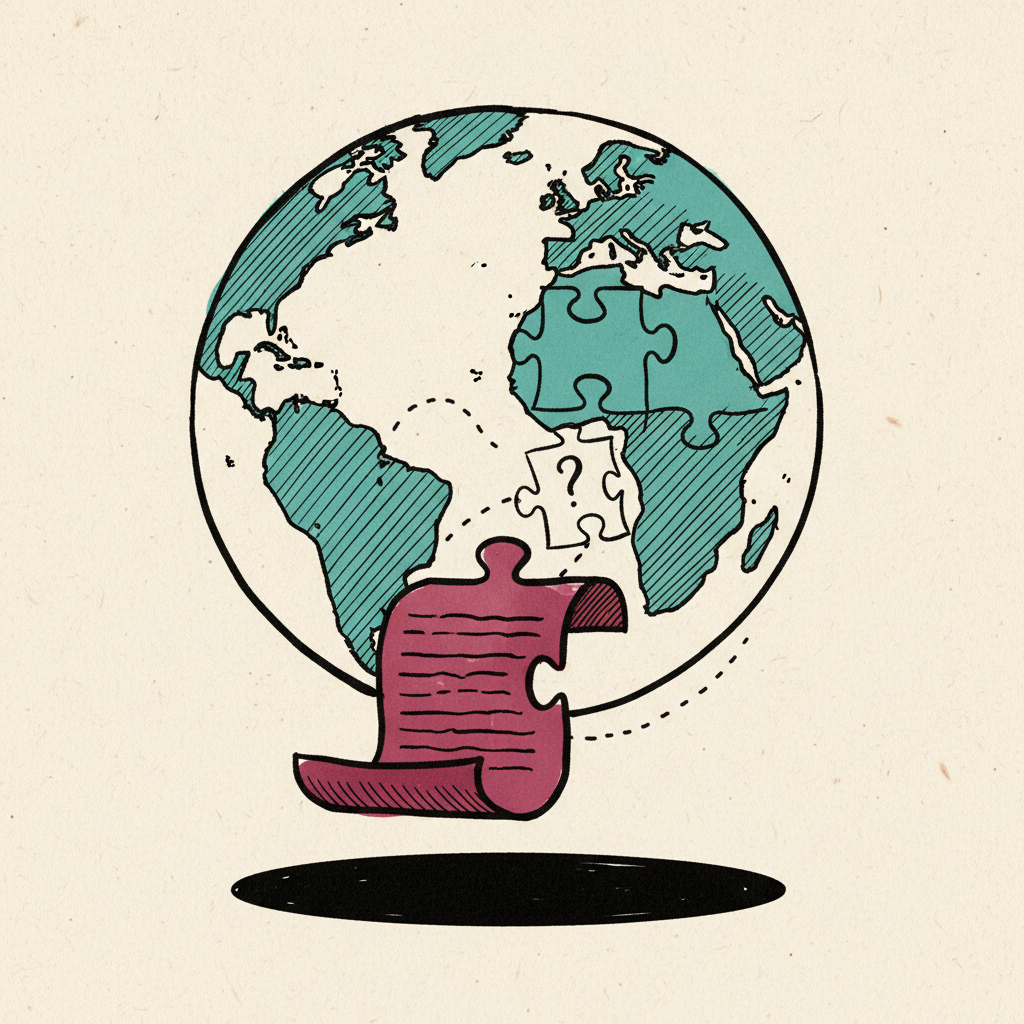
Global Pandemic Treaty adopted May 2025; blocked from entry into force by deadlocked PABS annex under Article 31(2).
Talks on the WHO Pandemic Agreement's pathogen-sharing annex ended without a text on 18 September 2026, the second failed session running, so the treaty adopted in May 2025 still cannot open for signature; the annex is now due by May 2027.
Last refreshed: 4 October 2026 · Appears in 1 active topic
DRC shares Bundibugyo sequences in real time with no treaty access rights: does PABS still matter?
Timeline for WHO Pandemic Agreement
Remained closed for signature
Pandemics and Biosecurity: WHO talks on pathogen sharing fail againRemained without an operative pathogen-sharing mechanism as IGWG7 opened
Pandemics and Biosecurity: PABS talks reopen under a deadlineUS widens Ebola ban to green-card holders
Pandemics and BiosecurityMentioned in: Only Ebola treatment still cannot dose
Pandemics and BiosecurityRemained inoperative one year after adoption at WHA78 because PABS negotiations were not concluded
Pandemics and Biosecurity: Pandemic Agreement still unsigned after one yearBackground
The WHO Pandemic Agreement is the first legally binding global instrument built to strengthen pandemic prevention, preparedness and response. The 78th World Health Assembly adopted it in May 2025 after three years of talks in WHO's Intergovernmental Negotiating Body. It answers the failures COVID-19 exposed: fragmented national responses, vaccine hoarding and broken sample sharing.
The text covers equitable access to vaccines and medical countermeasures, the 100 Days Mission from outbreak detection to vaccine authorisation, surveillance and early-warning duties, and WHO's co-ordination role. Its most contested part, the Pathogen Access and Benefit-Sharing (PABS) annex, was left unfinished and handed to an Intergovernmental Working Group. Under Article 31(2) the agreement cannot open for signature or ratification until that annex is adopted, so a year after adoption no country had signed. The 79th World Health Assembly deferred the annex to May 2027.
The 2026 Bundibugyo Ebola outbreak shows the gap the annex is meant to close. DR Congo shares virus sequence data in real time with no treaty guarantee of access to the vaccines built from it, while CEPI spreads $62 million across vaccine platforms that DR Congo may not be first to receive. A pathogen that emerges before the annex exists will be shared without its benefit-sharing rules.
The annex deadlock outlasts two deadlines
The annex talks have now failed twice in a row. The seventh session of the Intergovernmental Working Group ran in Geneva from 6 to 17 July 2026, against a deadline Brazil's President Lula and WHO chief Tedros had pressed on G7, G20 and BRICS leaders by open letter on 15 June. It closed without a text. The eighth session ended the same way on 18 September.
Since the July session the Africa Group has backed a federated model of national laboratories, while the European Union and other industrialised states back a hybrid with central databases. On 25 September leaders at the UN General Assembly approved a political declaration on pandemics, but the treaty's own clock still runs to the May 2027 World Health Assembly. Until the annex is adopted, the agreement binds no government.
The annex deadlock outlasts two deadlines
Is DRC getting vaccine access for sharing Ebola sequences?
Why can't the WHO Pandemic Agreement enter into force?
What happened to the WHO Pandemic Agreement at WHA79?
Why did it take three years to negotiate the WHO Pandemic Agreement?
Has any country signed the WHO Pandemic Agreement?
What does the WHO Pandemic Agreement actually require countries to do?
