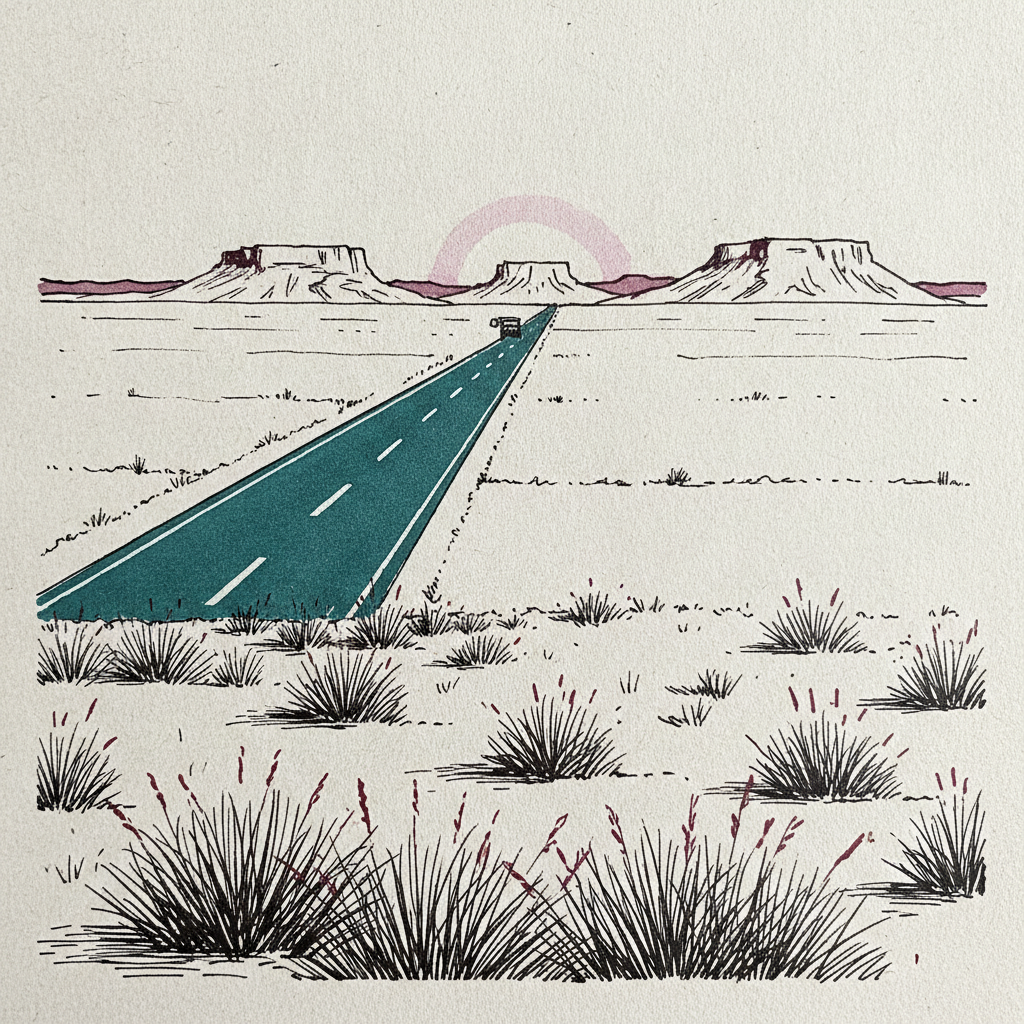
Western Australia
Australia's largest state, where Rio Tinto runs driverless mine trucks and H5N1 first reached Australia.
On 14 August 2026 CSIRO released the first complete genome of the H5N1 bird flu found in Western Australia's migratory birds, the state where the virus was first detected in Australia.
Last refreshed: 27 November 2026
Why did driverless mine trucks work in Western Australia's Pilbara before public roads?
Timeline for Western Australia
Mentioned in: EACON claims 4,000 robot trucks in mines
Autonomous Systems: Land & SeaAustralia releases its first H5N1 genome
Pandemics and BiosecurityBackground
Western Australia is Australia's largest state, with Perth as its capital, and a centre of the country's mining. In August 2026 it was where H5N1 bird flu was first found in Australia, in migratory birds. On 14 August CSIRO, The National Science agency, released the first complete genome from that detection, which gives Australian laboratories a local reference strain to check their tests against.
In its Pilbara region Rio Tinto took up driverless haulage after Komatsu began autonomous trucking at a Chilean copper mine in 2008, and mines automated before public roads because their roads are private and their routes repeat. China's EACON cites the same conditions for the more than 4,000 driverless mining trucks it claimed in November 2026, a figure no independent source has confirmed.
Where did H5N1 bird flu first appear in Australia?
Does Rio Tinto use driverless trucks in Western Australia?
Why did self-driving trucks start in mines like the Pilbara?
Written with AI from Lowdown's published reporting. Not individually reviewed by an editor. Updated 27 November 2026. Editorial standards.