Uber India
Uber's Indian operating subsidiary, distinct from the global parent company.
Uber India won a place under the Karnataka High Court's interim order on 28 July 2026: it keeps paying the state's gig-worker welfare fee, but into court, while its petition against the 2025 Act is heard.
Last refreshed: 19 November 2026 · Appears in 1 active topic
Timeline for Uber India
Mentioned in: Mexico's platform law fully covers 13%
AI: Jobs, Power & MoneyUber joins the Karnataka gig-fee fight
AI: Jobs, Power & MoneyBackground
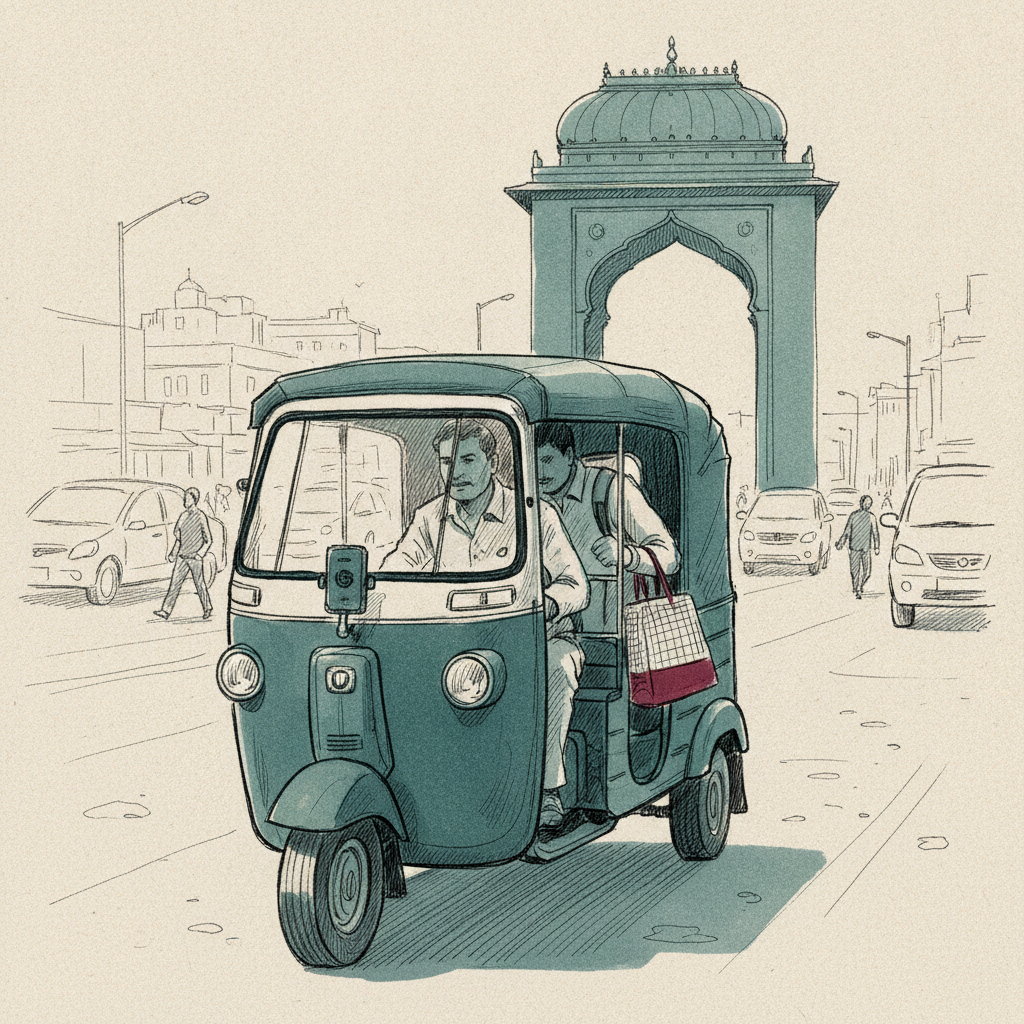
Uber India Systems Private Limited runs Uber's business in India, where riders book cars, autorickshaws and motorbikes through the app and drivers and couriers find paid work. In Karnataka the company is a petitioner against the Platform-Based Gig Workers (Social Security and Welfare) Act, 2025, which charges aggregators a fee to fund social security for gig workers.
Justice Suraj Govindaraj granted Uber India on 28 July 2026 the deposit arrangement already covering the industry body IAMAI, Swiggy, Zomato and Urban Company. The company's liability therefore continues, yet its payments sit with the Court and cannot be spent by the state or paid out to drivers until the case ends.
For Uber India the ruling sets the cost of operating in Bengaluru and in any other state that copies Karnataka's levy. A loss would make the fee permanent; a win under Article 254 would send platform welfare back to Parliament. Its parent, Uber, had separately left Karnataka's gig-worker welfare board by September 2026, while the litigation went on.
What services does Uber India offer?
Why did Uber India go to the Karnataka High Court?
How does Uber India fit the Karnataka gig-fee case?








Written with AI from Lowdown's published reporting. Not individually reviewed by an editor. Updated 19 November 2026. Editorial standards.