Sampson
BAE Systems AESA multifunction radar on Royal Navy Type 45 destroyers; tracks 1,000+ targets.
Last refreshed: 11 May 2026
Can Sampson track Iran's entire threat picture in the strait simultaneously?
Timeline for Sampson
Mentioned in: HMS Dragon sails for Hormuz without rules of engagement
Iran Conflict 2026Background
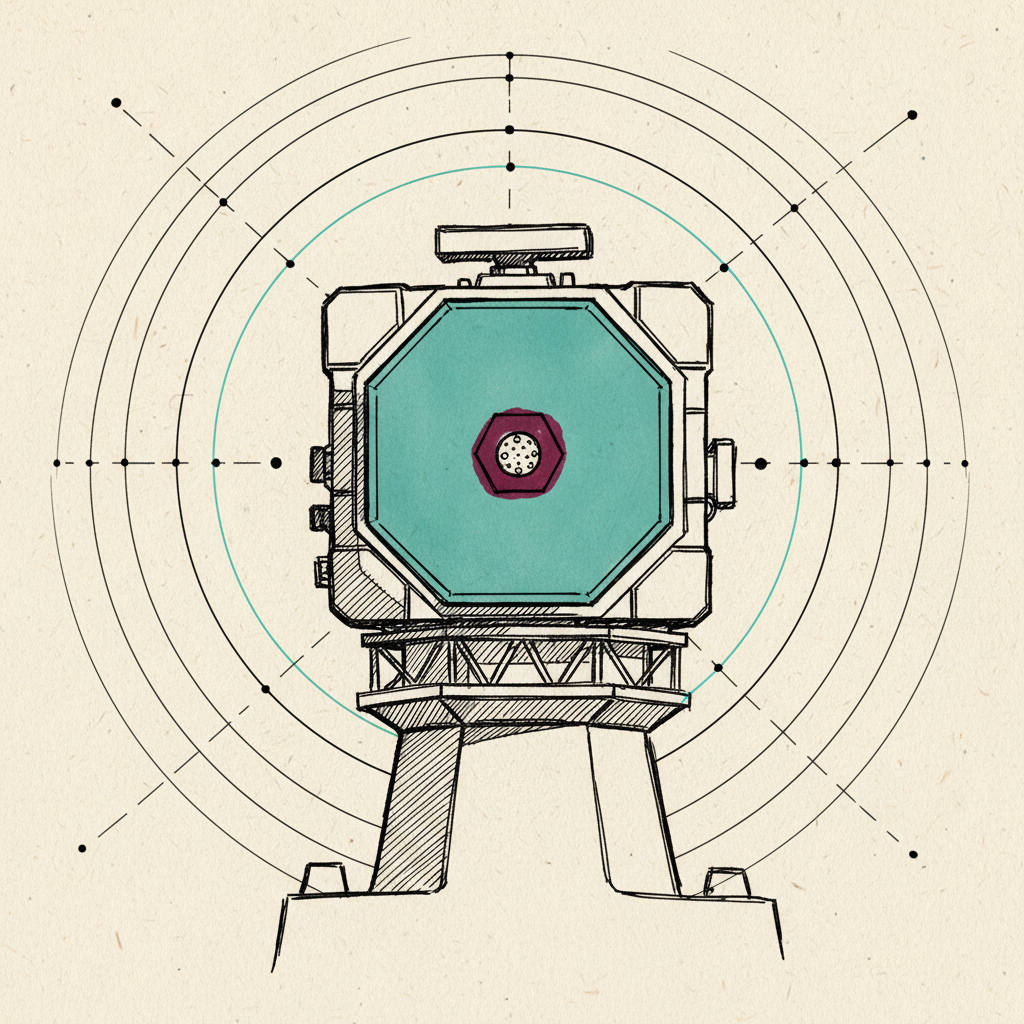
The Sampson radar is the sensor at the heart of the Type 45's air-defence capability, and its deployment aboard HMS Dragon to the Arabian Gulf in May 2026 placed one of the most capable naval radars in Western service into the Hormuz threat environment. Sampson's dual-face active electronically scanned array rotates at speed while each face electronically steers its beams, allowing simultaneous target search, tracking, and missile guidance across the hemisphere above the horizon. This architecture, called a multifunction radar, eliminates the need for separate search and fire-control radars, reducing the ship's radar signature and reaction time.
Sampson was developed by BAE Systems under the Type 23 frigate radar replacement programme and entered service with the Royal Navy in 2012 on HMS Daring. The radar operates in E/F-band (2-4 GHz) and can track more than 1,000 simultaneous targets, providing FAR greater track capacity than the legacy Type 1022 and Type 996 radars it replaced. Its processing chain feeds directly into the Sea Viper missile fire-control system; the combined Sampson/Sea Viper architecture allows intercepts at ranges, altitudes, and target speeds that previous Royal Navy radars could not achieve. Sampson is also integrated with the joint fleet network, sharing picture data with other ships and aircraft in real time.
In the context of the Hormuz scenario, Sampson's relevance is specifically its performance against low-observable and high-speed threats at low altitude, the class of targets Iran has developed in its fast-attack boat swarm tactics and subsonic SEA-skimming anti-ship missiles. Its track-while-scan capability means Dragon does not need to prioritise which contacts to track; the system maintains a classified-resolution picture of all contacts simultaneously and queues Intercept solutions.
What is the Sampson radar on Royal Navy ships?
How does Sampson differ from older naval radars?
What is the Sampson radar on Type 45 destroyers?
How does the Sampson radar detect threats in the Persian Gulf?
Which ships carry the Sampson radar?
Why is the Sampson radar significant for the Hormuz mission?

