Safesea Neha
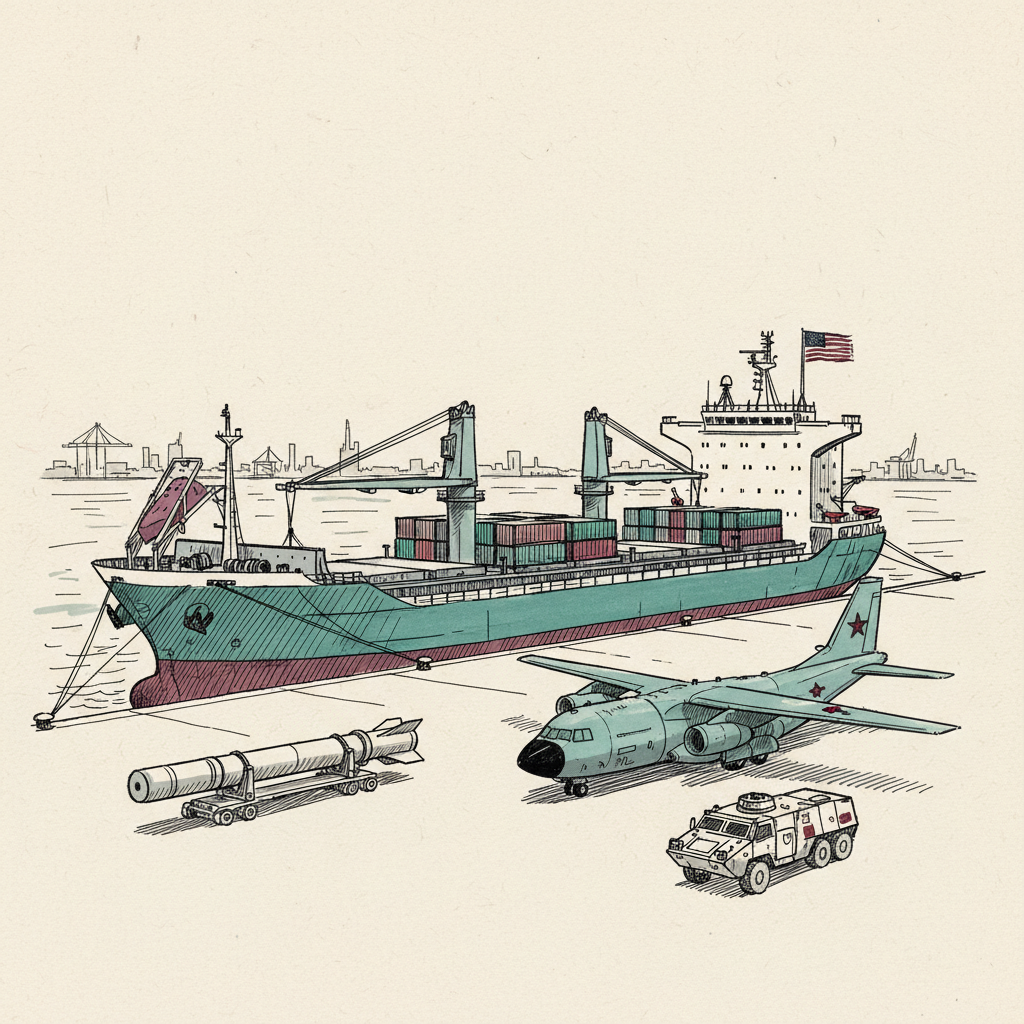
US-flagged bulk carrier struck by Iranian forces near Doha on 10 May 2026.
Last refreshed: 11 May 2026 · Appears in 1 active topic
Did Iran deliberately target a US-flagged ship to test Washington's red lines?
Timeline for Safesea Neha
Mentioned in: UAE blocks BRICS Iran statement after Gulf drone strikes
Iran Conflict 2026Struck by one of two Iranian drones 23 nautical miles north-east of Doha; small fire extinguished with no casualties
Iran Conflict 2026: Iranian drones hit UAE, Kuwait, Qatar in one morningBackground
The Safesea Neha was struck near Doha on 10 May 2026, making it the first confirmed attack on a US-flagged vessel during the Hormuz crisis. The ship is a bulk carrier registered under a New Jersey-based management company and flying the US flag, a designation that carried immediate diplomatic and legal significance: under international maritime law and US domestic law, an attack on a US-flagged vessel is treated as an attack on the United States itself, triggering different escalatory thresholds than attacks on third-country vessels. The strike prompted immediate statements from US officials and raised the prospect of a direct US military response under the War Powers Resolution framework.
Safesea Neha is managed by Safesea Management LLC, based in Parsippany, New Jersey. Bulk carriers of this class typically transport dry commodities including grain, coal, and ore. The specific route and cargo at the time of the strike were not publicly confirmed. US-flagged commercial vessels have been a rare target in modern Middle East conflicts precisely because of the escalatory risks that flag status creates; most Iranian attacks during earlier Hormuz disruptions targeted third-country vessels to maintain deniability and avoid triggering US retaliation directly.
The choice to strike a US-flagged ship on 10 May, the day after Iran missed the MOU Deadline and Iran's vice presidents publicly endorsed the Hormuz deterrence doctrine, appeared deliberate. Analysts noted that attacking a US-flagged vessel was either a miscalculation or a calculated escalation signal, intended to test Washington's red lines at a moment when diplomatic momentum was stalled.
What ship was struck near Doha in the Iran conflict?
Who owns and manages the Safesea Neha?
Why does it matter that the ship struck near Doha was US-flagged?
What happened to shipping insurance after the Doha tanker strike?


