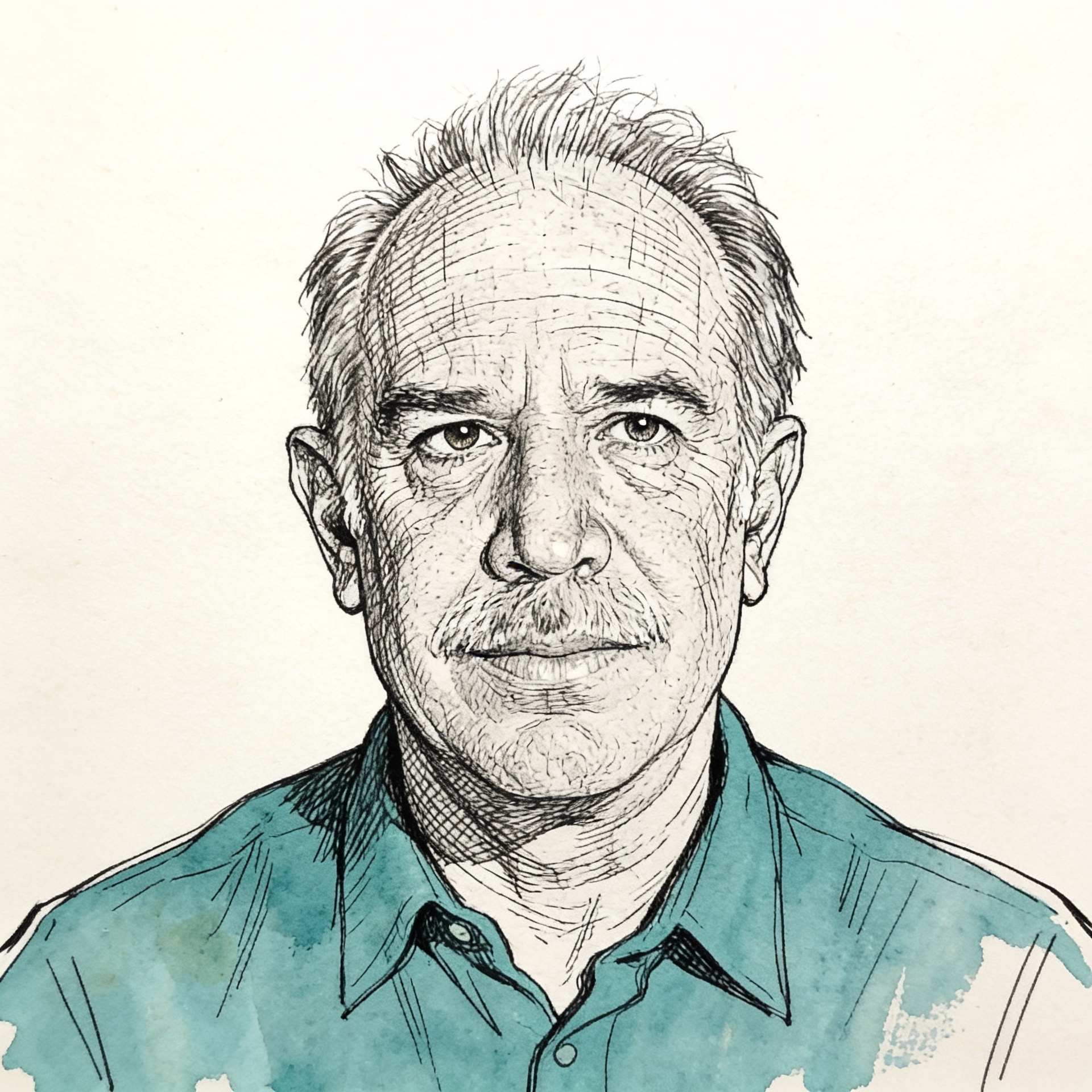
Pedro Monreal
Cuban economist and Cuba Transformación co-author analysing the island's economic crisis.
On 18 June 2026, Pedro Monreal argued that Cuba's 176-measure Reform lacked four inputs private firms need: energy, foreign currency, technology and external demand.
Last refreshed: 22 October 2026 · Appears in 1 active topic
Why does Monreal say one licensed exchange house does not create a market?
Timeline for Pedro Monreal
Cuba clears first private exchange house
Cuba DispatchMentioned in: Rubio calls reform not dramatic enough
Cuba DispatchIdentified four absent preconditions undermining the reform
Cuba Dispatch: Cuba opens its market in 176 stepsWarned reforms cannot work without energy, foreign currency, technology, and external demand
Cuba Dispatch: Tourism falls 55.8% as the peso slidesBackground
Pedro Monreal González is a Cuban economist trained at the University of Havana, where he earned a doctorate in economic sciences and worked in international-economy research. He later served as a senior social-sciences specialist at UNESCO and has taught or researched at universities in the United States, Japan, Denmark and Germany.
His work concentrates on Cuba's macroeconomy and the gap between legal Reform and the resources needed to carry it out. Monreal is also one of five authors of Cuba Transformación, a proposal for economic stabilisation, productive recovery and institutional Reform through a social market economy. His public analysis tends to test policy against operating conditions such as energy supply, hard currency and market access. That method has made him a recurring source in debates over private business, exchange markets and the limits of partial Reform.
Reform lacks four essential inputs
When Cuba approved 176 economic measures on 18 June 2026, Monreal judged the package by what private firms could obtain rather than by how many activities became legal. He identified four missing inputs: energy, foreign currency, technology and external demand. The reforms changed market rules, but his test asked whether firms could use them.
Cuba's tourism slump tightened that foreign-currency constraint. By 15 June, tourism arrivals from January to April were 55.8 per cent lower year on year and the informal peso rate had reached 670 per dollar. Monreal warned that legal changes could not replace the hard currency normally supplied by tourism and remittances. His point stayed economic: new permissions do not supply the inputs required to use them.
Who is Pedro Monreal and what does he say about Cuba's economy?
What are the four preconditions Cuba's economy is missing according to Pedro Monreal?
Why does Cuba's reform not work if private banking is now legal?
Who is Pedro Monreal González?
What did Pedro Monreal say about Cuba's first private exchange house?
What is Cuba Transformación?
Written with AI from Lowdown's published reporting. Not individually reviewed by an editor. Updated 22 October 2026. Editorial standards.