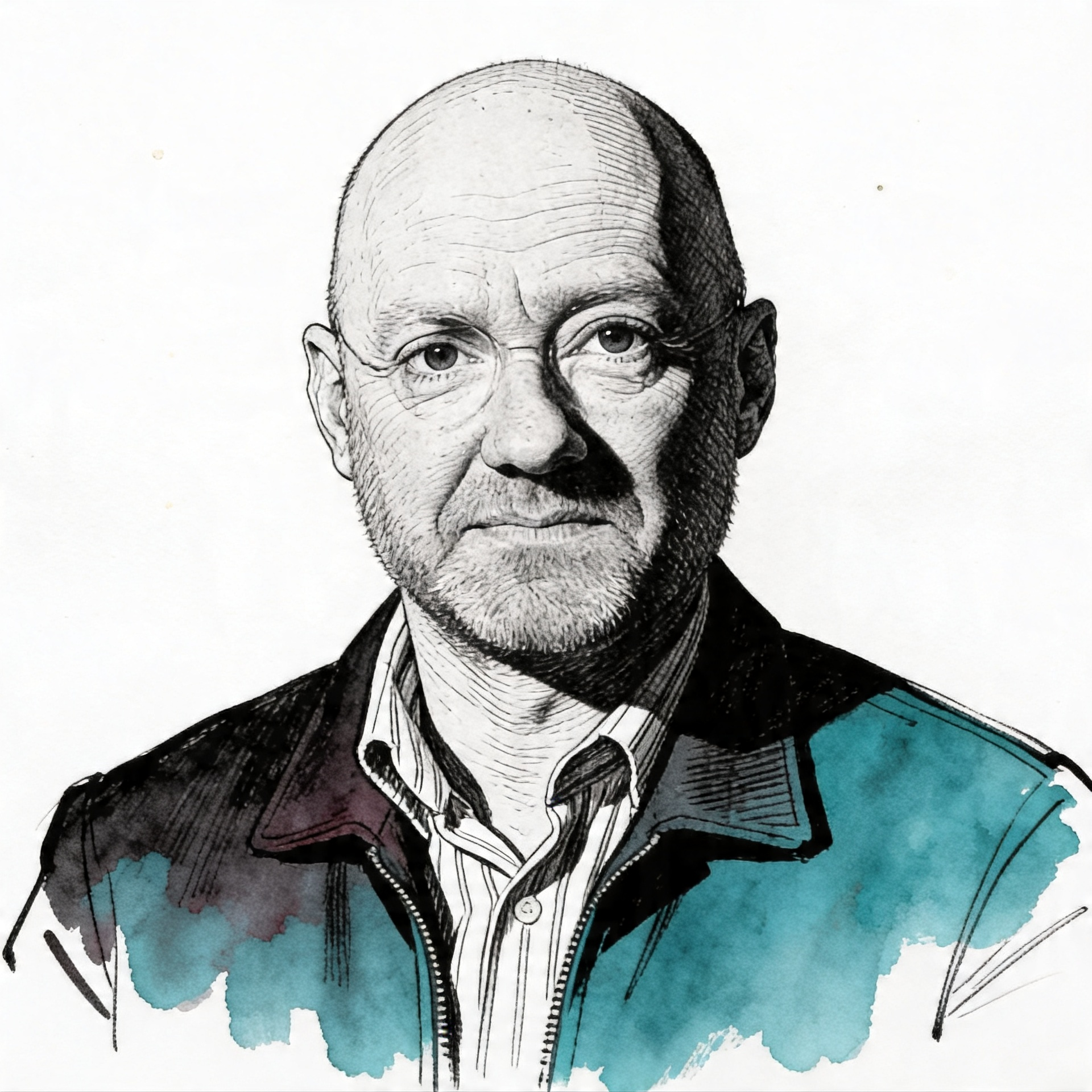
Patrick Harvie
Scottish Green MSP for Glasgow since 2003 and former co-leader of the Scottish Greens.
On 14 April, Patrick Harvie rejected the idea of a fully funded manifesto after fiscal scrutiny of Scotland's main parties.
Last refreshed: 24 September 2026 · Appears in 2 active topics
What does Harvie's rejection of fiscal credibility testing mean for the Scottish Greens' 2026 strategy?
Timeline for Patrick Harvie
Tabled the original full-moratorium motion
Data Centres: Boom and Backlash: Scottish MSPs back data-centre planning pauseMentioned in: Slater takes Edinburgh Central from SNP
UK Local Elections 2026Mentioned in: SNP at 62, three short of 65
UK Local Elections 2026IFS rejects SNP, sweep hits six-of-six
UK Local Elections 2026Mentioned in: IFS rejects Scottish Labour plan same day
UK Local Elections 2026Background
Patrick Harvie is a Scottish Green MSP for the Glasgow region, elected in 2003. He remains a prominent Scottish Green voice on climate, housing and LGBT+ rights after stepping down as the party's co-leader in 2026. His 14 April intervention on manifesto funding placed him directly in the debate over how Scotland's parties justify election pledges.
Harvie led the Scottish Greens alongside Lorna Slater for eight years. During that period, the party entered government with the SNP under the Bute House Agreement in 2021. The SNP ended that agreement in April 2024, returning The Greens to opposition.
His durable significance lies in representing The Greens' shift from an outsider party to a party with experience of government, while retaining a distinct position on climate policy and social Reform. The 2026 manifesto continued that emphasis through proposals on transport, energy, taxation and public services.
Harvie rejects fiscal credibility tests
On 14 April, Patrick Harvie said that the concept of a fully funded manifesto was misleading. His intervention came hours after the Institute for Fiscal Studies had dismissed the spending plans of all five major Scottish parties.
For Harvie, the remark marked a clear campaign position: fiscal endorsement was not the test by which he wanted the Scottish Greens judged. The party launched its 89-page Holyrood manifesto that day with pledges including free bus travel, free dental care, a wealth tax and a ban on new North Sea oil and gas licensing.