mRNA
messenger RNA vaccine platform; encodes antigen instructions in lipid nanoparticles; enables rapid pathogen-specific adaptation.
Last refreshed: 7 May 2026 · Appears in 1 active topic
Is mRNA the platform that finally makes the 100-day pandemic vaccine achievable?
Timeline for mRNA
Mentioned in: Moderna begins Phase 3 H5N1 mRNA trial
Pandemics and BiosecurityBackground
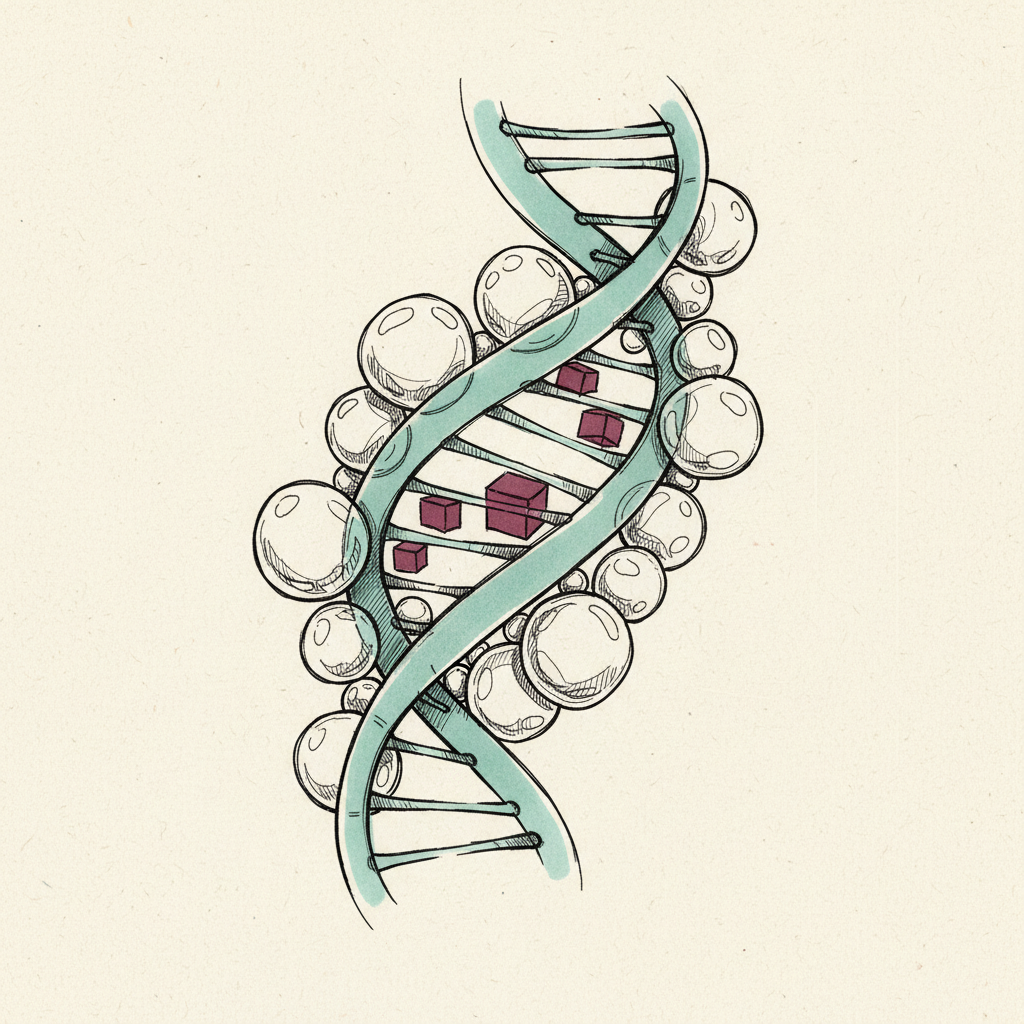
messenger RNA (mRNA) is a vaccine platform technology in which synthetic RNA molecules encoding a pathogen's antigen are delivered inside lipid nanoparticles, instructing the recipient's cells to produce the antigen and trigger an immune response, without introducing any live virus. The platform was developed commercially over more than a decade before COVID-19 by Moderna and BioNTech, drawing on foundational mRNA stabilisation research by Katalin Karikó and Drew Weissman. Its principal advantage over conventional vaccine manufacturing is speed of antigen adaptation: once a new pathogen's genome is sequenced, an mRNA construct can be designed computationally within days and manufactured using an established lipid-nanoparticle production process, rather than requiring biological culture of the target pathogen.
The mRNA platform is central to the 100 Days Mission's credibility as a practical target rather than an aspiration. Moderna began the first Phase 3 trial of an mRNA-based H5N1 vaccine candidate on 22 April 2026, the furthest any H5N1 mRNA construct has progressed in clinical evaluation. The speed advantage of mRNA applies primarily at the antigen-design stage; the manufacturing bottlenecks that delayed COVID-19 mRNA delivery, particularly lipid-nanoparticle reagent supply and fill-and-finish capacity, remain relevant constraints. CEPI's mRNA technology transfer programme is building mRNA manufacturing capability at Institut Pasteur de Dakar and other southern institutions to address the geographic concentration of current mRNA production in North America and Europe.
How does the mRNA vaccine platform work?
Why is mRNA important for pandemic preparedness?
What are the weaknesses of mRNA vaccines for pandemic response?

