LILEM
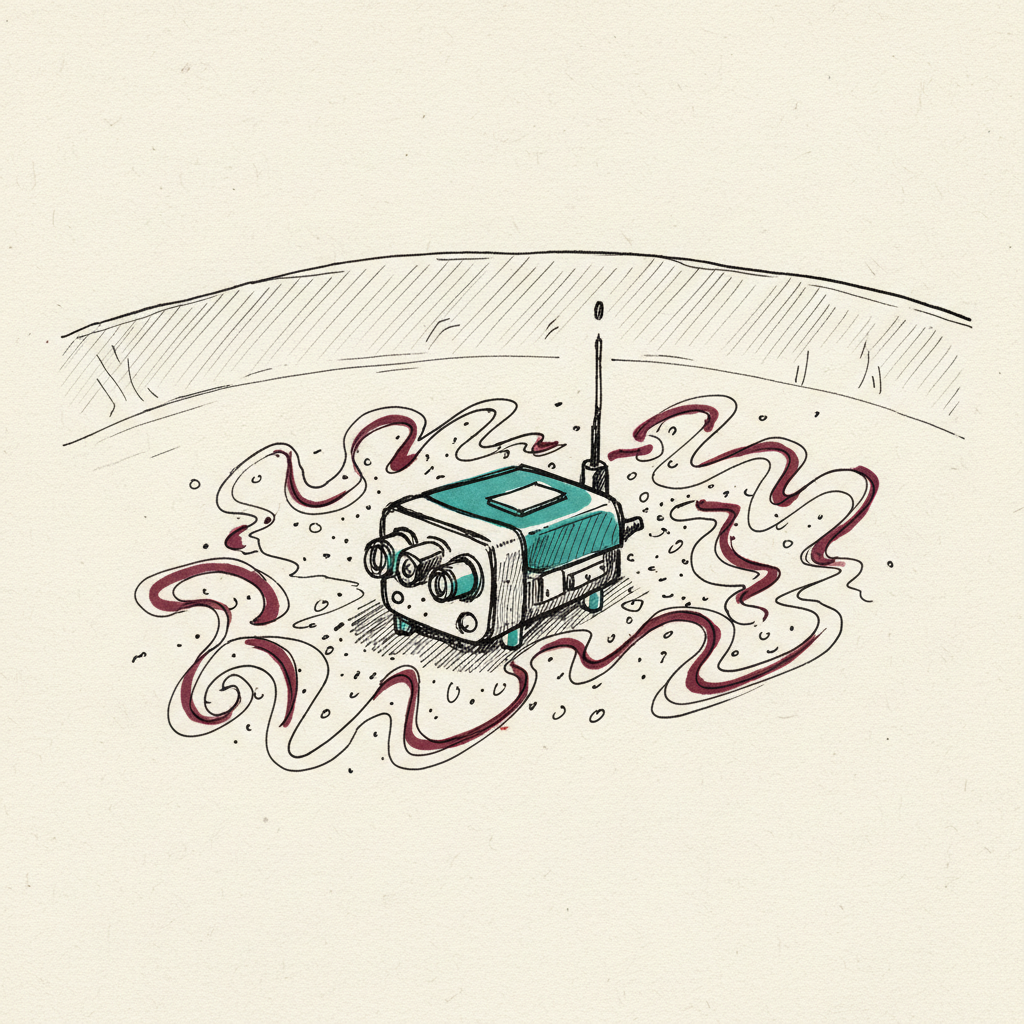
Russian Lunar Dust and Electric Field Instrument on Chang'e 7, targeting Shackleton crater rim.
Last refreshed: 17 April 2026 · Appears in 1 active topic
What does Russia's Moon instrument on a Chinese spacecraft mean for NASA's lunar landing plan?
Timeline for LILEM
Chang'e 7 lands Russian payload at Shackleton
Artemis II Moon MissionBackground
LILEM (Lunar Dust and Electric Field Instrument) is a Russian scientific instrument built by the Space Research Institute of the Russian Academy of Sciences (IKI RAS) for China's Chang'e 7 mission. Chang'e 7 is confirmed for H2 2026 launch and targets the rim of Shackleton crater at the lunar south pole. LILEM will provide the first in-situ measurements of lunar dust behaviour and electric field activity at the south-pole site NASA plans for a crewed Artemis landing.
Lunar dust and electric fields are not purely scientific curiosities. Charged dust particles generated by solar ultraviolet bombardment can coat solar panels, jam mechanical joints, and clog life-support systems on the lunar surface. Understanding the dust environment at Shackleton rim is directly relevant to designing surface habitats and equipment for any crewed mission. No Western instrument will be operating at the site before Artemis crew arrives.
LILEM's presence on Chang'e 7 represents the practical outcome of Sino-Russian space Science cooperation agreed in the 2021 Memorandum of Understanding between China and Russia on a joint lunar research station. Russia's contribution is a single instrument; China supplies the launch vehicle, spacecraft, and operations. The baseline data LILEM collects at Shackleton will be held by Chinese and Russian institutions before any Artemis mission lands.
What is LILEM on the Moon mission?
Why does lunar dust matter for astronauts?



Written with AI from Lowdown's published reporting. Not individually reviewed by an editor. Updated 17 April 2026. Editorial standards.