KuRFS
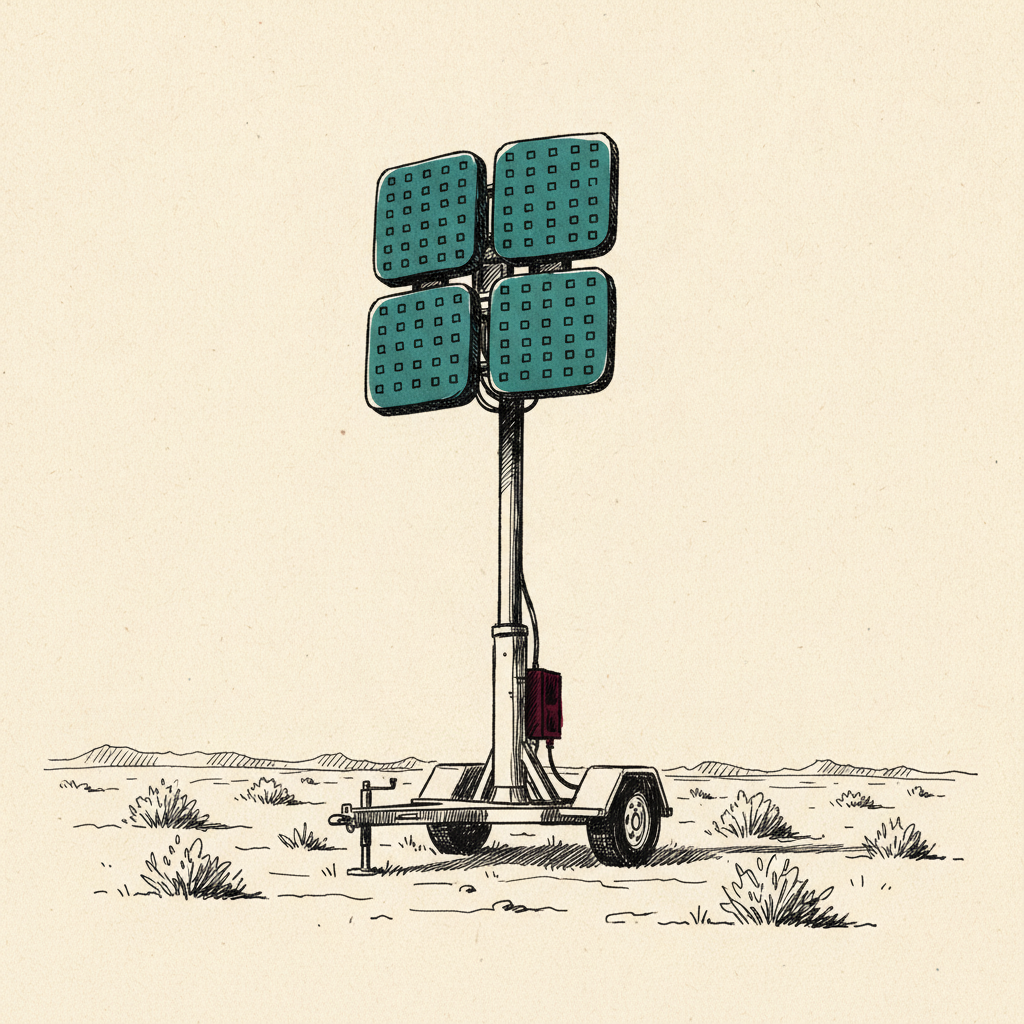
Raytheon Ku-band radar that detects drones for the US Army's LIDS; first exported 2026.
Raytheon's KuRFS radar recorded its first international sales on 13 October 2026, as part of $729m of LIDS counter-drone contracts for the US Army, Qatar and Jordan, according to RTX.
Last refreshed: 26 October 2026 · Appears in 1 active topic
Can a radar built to spot mortar rounds keep up with drone swarms?
Timeline for KuRFS
Recorded its first international sale
Drones: Industry & Defence: Qatar, Jordan, Kuwait buy drone defencesBackground
Raytheon's KuRFS radar recorded its first international sales in October 2026, as part of $729m of LIDS counter-drone contracts for the US Army, Qatar and Jordan, according to RTX.
KuRFS, the Ku-band Radio Frequency Sensor, is the radar that Raytheon, an RTX subsidiary, builds as the detection half of the US Army's LIDS; the Coyote interceptor is the other half. It began as a sense-and-warn radar against rockets, artillery and mortars in Iraq and Afghanistan before an urgent Army requirement adapted it for drones. A smaller mobile version is called Ku-720. RTX says the KuRFS family has passed 1.5 million operational hours.
The export deals turn a US Army radar into a Gulf product. Rival buyers such as Kuwait are instead hiring integrators to mix radars from several makers.
What is the KuRFS radar?
Who has bought the KuRFS radar abroad?
Where did the KuRFS radar come from?

Written with AI from Lowdown's published reporting. Not individually reviewed by an editor. Updated 26 October 2026. Editorial standards.