Karimun
Indonesian transshipment hub for sanctioned cargoes
Last refreshed: 22 September 2026 · Appears in 1 active topic
Timeline for Karimun
Mentioned in: Russian LNG hits quarterly record; double cliff looms
European Energy MarketsBackground
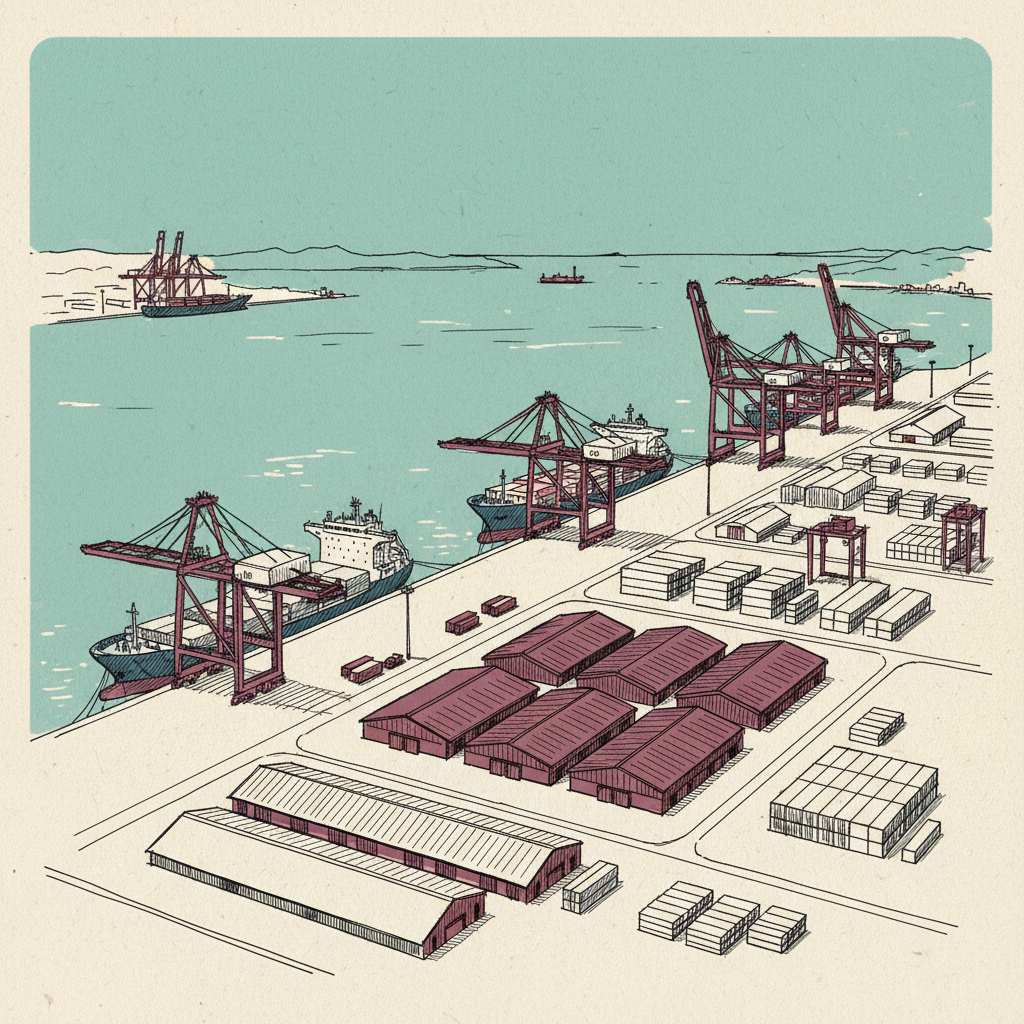
Karimun, formally the Oil Terminal Karimun (OTK), is an oil transshipment facility on Karimun Island in Indonesia's Riau Islands province, located approximately 30 km southwest of Singapore. It operates within a free-trade zone and has served as a major hub for transshipping crude oil and oil products in the Southeast Asian trading corridor. In April 2026, the European Union included the terminal in its 20th sanctions package against Russia, making it the first third-country port in the world to be sanctioned by Brussels since Russia's invasion of Ukraine in 2022. The EU listed Karimun for its alleged connections to Russia's shadow fleet and facilitation of circumvention of the G7 oil price cap.
The sanctions imposed a port infrastructure ban, prohibiting EU-registered shipping companies and P&I Club insurers (covering approximately 87% of the world's merchant fleet) from servicing vessels associated with the terminal. Platts, a major price benchmark provider, simultaneously removed the Karimun Oil Terminal from its listings, restricting its ability to participate in mainstream price-indexed trades. PT Oil Terminal Karimun denied involvement in sanctions evasion. Indonesia's government responded by pressing ahead with importing 150 million barrels of Russian crude oil, securing a commitment from President Putin following negotiations with President Prabowo.
Karimun's listing marks a qualitative escalation in EU sanctions enforcement: from targeting Russian entities and shadow fleet vessels to targeting the foreign port infrastructure that enables circumvention. Its first-mover status as a third-country sanctioned port has implications for other transshipment hubs in the Indian Ocean, Gulf, and Southeast Asia that handle Russian oil. Indonesia's defiance underscores the limits of Western sanctions in shaping the energy purchasing decisions of large non-aligned economies.
Why was Karimun Oil Terminal sanctioned by the EU?
Where is Karimun Oil Terminal?
What does the EU Karimun sanction mean for shipping?
How did Indonesia respond to the EU sanctions on Karimun?
What is the shadow fleet and how does Karimun fit into it?

