When the US disables a tanker rather than boarding it, what maritime law applies?
Timeline for Iranian-flagged oil tanker
Mentioned in: US jet disables Iranian tanker rudder
Iran Conflict 2026Background
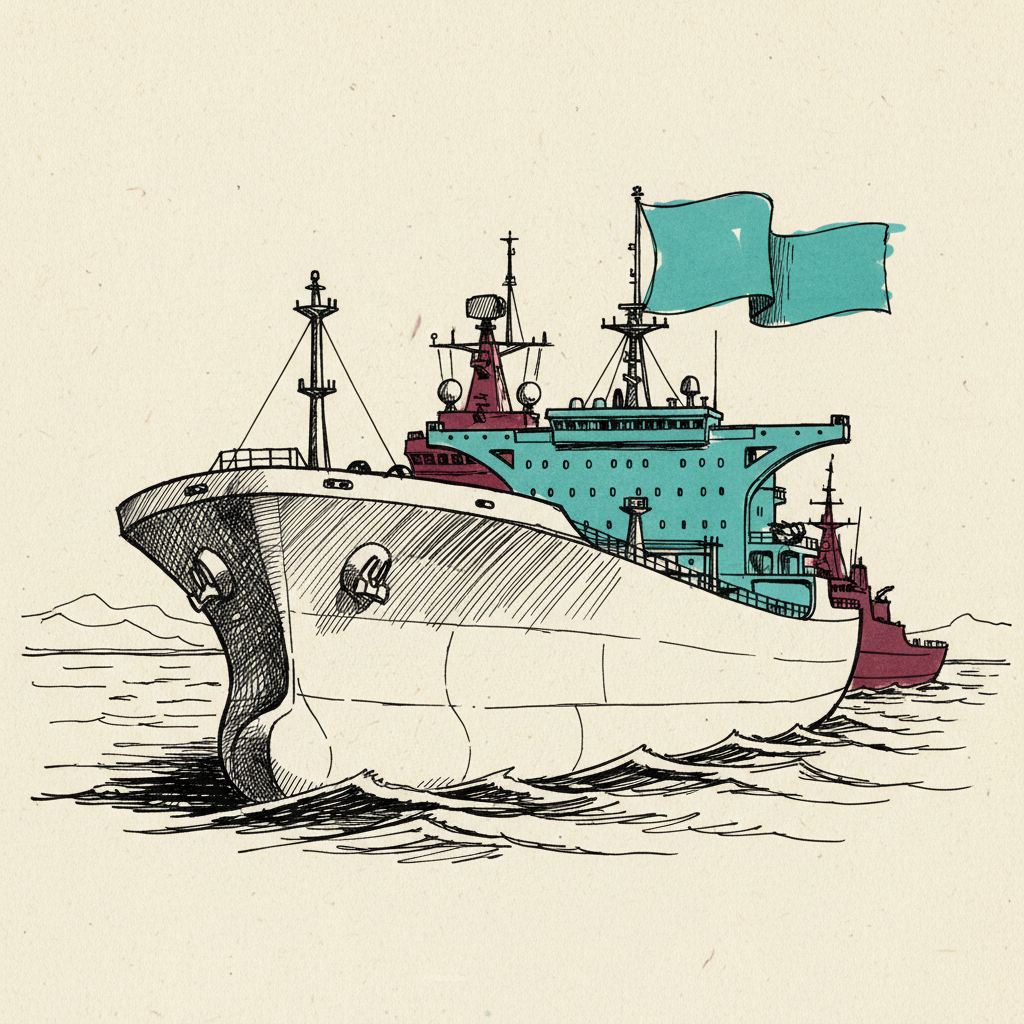
An Iranian-flagged oil tanker is a commercial vessel registered under the flag of the Islamic Republic of Iran, typically operated by or affiliated with the National Iranian Oil Company (NIOC) or entities linked to the IRGC Navy's shadow fleet. During the 2026 Hormuz conflict, Iranian-flagged tankers became objects of direct US interdiction: on 7 May 2026, a US fighter jet disabled the rudder of an Iranian-flagged tanker in The Gulf of Oman after the CREW ignored multiple warnings, forcing the vessel to halt transit — the first confirmed instance of the US disabling an Iranian vessel's propulsion mechanism rather than boarding or rerouting it.
Iranian-flagged tankers occupy a legally complex position: they are subject to OFAC secondary sanctions making them untouchable for most Western companies, yet Iran argues they have full UNCLOS transit rights in international waters. The IRGC Navy has claimed escort rights for Iranian-flagged vessels transiting the strait of Hormuz, creating confrontations with US and European naval assets. The cumulative blockade redirection figure reached 52 vessels by 7 May, up from 48 on 3 May, with Iranian-flagged tankers representing a contested subset.
The 'shadow fleet' — Iranian-flagged or beneficial-owner Iranian vessels — has expanded significantly since 2018 sanctions, using flag-hopping, transponder manipulation, and ship-to-ship transfers to continue oil exports. Iran's creation of the PGSA and its escort guarantee for PGSA-registered vessels was partly designed to give this fleet a formal legal transit pathway.
What happened to the Iranian tanker on 7 May 2026?
How many Iranian tankers have been blocked or redirected in the 2026 conflict?
Can the US legally fire on an Iranian oil tanker in international waters?

