HCPS
hantavirus cardiopulmonary syndrome; severe lung disease caused by hantaviruses, 10-20 day incubation.
Last refreshed: 7 May 2026 · Appears in 1 active topic
Why does HCPS incubation time determine whether MV Hondius passengers were exposed ashore or at sea?
Timeline for HCPS
Mentioned in: Ship hantavirus cluster is winding down
Pandemics and BiosecurityCharacterised by 10-20 day median incubation, making departure date critical to contact-tracing scope
Pandemics and Biosecurity: Andes hantavirus confirmed in Swiss returneeBackground
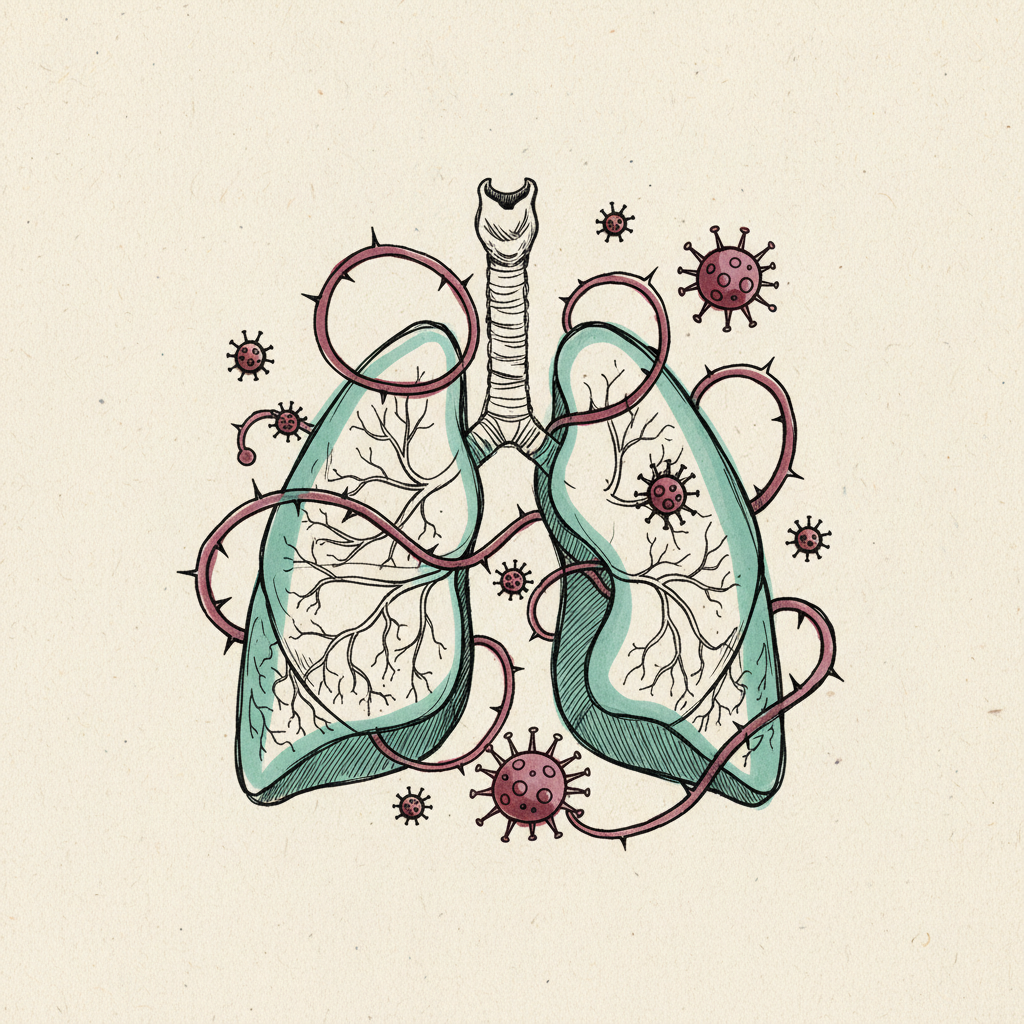
HCPS (hantavirus cardiopulmonary syndrome; sometimes called HPS, hantavirus pulmonary syndrome) is a severe respiratory illness caused by hantaviruses, primarily in the Americas. The disease is characterised by rapid-onset pulmonary oedema and cardiovascular compromise; the case-fatality rate ranges from 30 to 50% in hospitalised patients, making it among the most lethal of the recognised zoonotic respiratory syndromes. Incubation runs from 7 to 45 days, with a median of 10 to 20 days. Most hantaviruses causing HCPS are acquired by inhaling aerosolised rodent urine, droppings, or saliva. The exception is Andes virus, which is documented to transmit person-to-person in close-contact settings. HCPS is distinguished from the Old World hantavirus syndrome (HFRS, haemorrhagic fever with renal syndrome) which predominates in Europe and Asia.
HCPS became the analytical crux of the MV Hondius cluster in May 2026. The 10-20 day median incubation makes the date of the ship's departure from Ushuaia load-bearing: WHO DON 599 states departure on 1 April; Africa CDC gives 20 March. A 1 April departure with a 6 April index case death gives just 5 days, shorter than HCPS typically runs. A 20 March departure gives 17 days, squarely inside the range. The distinction matters because a 5-day interval suggests pre-boarding exposure in Ushuaia (and possibly cabin-to-cabin transmission thereafter), while a 17-day interval places exposure unambiguously in the Patagonian port environment. Michael Osterholm of CIDRAP assessed the median as pointing to pre-boarding exposure.
What is hantavirus cardiopulmonary syndrome and how deadly is it?
How long does it take to develop hantavirus symptoms after exposure?
Why does the MV Hondius departure date matter for hantavirus?
Can you catch hantavirus from another person?
