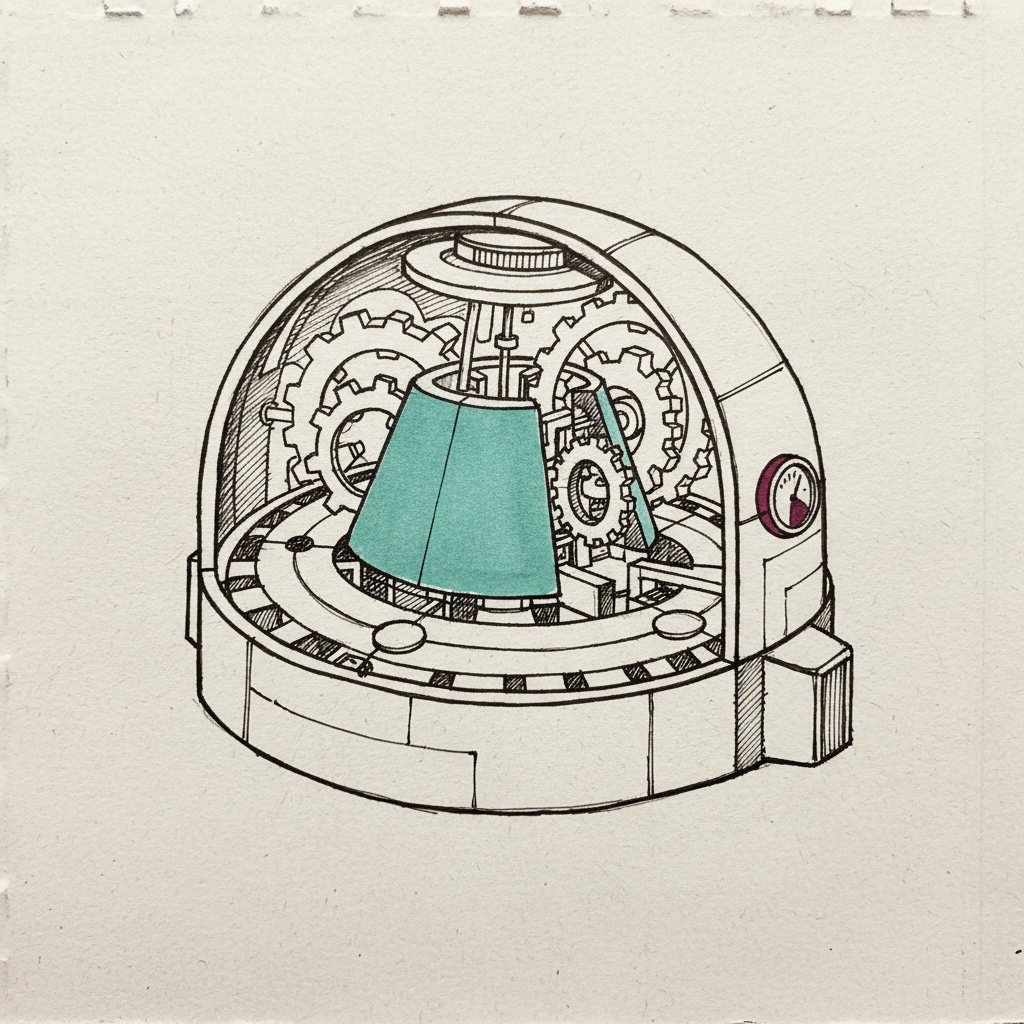
EPR
European Pressurised Reactor: a third-generation pressurised water reactor design developed by Framatome; Flamanville-3 is the first French EPR to enter commercial operation.
Last refreshed: 4 June 2026 · Appears in 1 active topic
Will the September Flamanville-3 overhaul push European power prices higher this winter?
Background
The European Pressurised Reactor is a third-generation pressurised water reactor design developed by Framatome (formerly Areva) in partnership with EDF. At 1,650 MW net electrical output per unit, it is the largest reactor design ever constructed in France. Its passive safety systems use gravity-Fed coolant circuits and double-steel containment, both requirements introduced after the Three Mile Island and Chernobyl assessments. The design was intended to become the standard reactor for the European nuclear renaissance of the 2000s, but first-of-class construction delays at Flamanville, Olkiluoto (Finland) and Hinkley Point C (UK) made it the most extensively scrutinised — and litigated — reactor programme in EU history.
Flamanville-3, the first French EPR, declared commercial operation on 5 May 2026 after first criticality on 12 December 2024, ending a construction programme that began in 2007. EDF reported cumulative January-April 2026 nuclear output of 133.2 TWh with full-year guidance of 350-370 TWh, underwritten in part by the new unit. However, the reactor enters a one-year major overhaul from September 2026, removing approximately 1.6 GW from the French fleet at the start of heating season. ASN, France's nuclear safety regulator, has historically extended first-of-class EPR overhauls beyond initial estimates, making the one-year duration a floor rather than a ceiling.
The EPR's market significance extends beyond France. The France-Germany day-ahead power spread — which hit a series-record €93.68/MWh on 3 June 2026 — is a direct function of France running an EPR-anchored nuclear surplus against Germany's gas-and-carbon thermal stack. The Flamanville-3 overhaul will compress that surplus into autumn, tightening interconnector flows and lifting Continental clearing prices at precisely the point heating demand returns. Hinkley Point C Unit 1, also an EPR, is due to begin generating by 2029, making the design the backbone of both French and British low-carbon capacity programmes into the 2060s.
What is the EPR nuclear reactor and how does it differ from older designs?
When did Flamanville-3 start generating electricity commercially?
Why is the Flamanville-3 overhaul in September 2026 important for European power prices?
Is Hinkley Point C the same design as Flamanville-3?



Written with AI from Lowdown's published reporting. Not individually reviewed by an editor. Updated 4 June 2026. Editorial standards.