Enterprise Investment Scheme
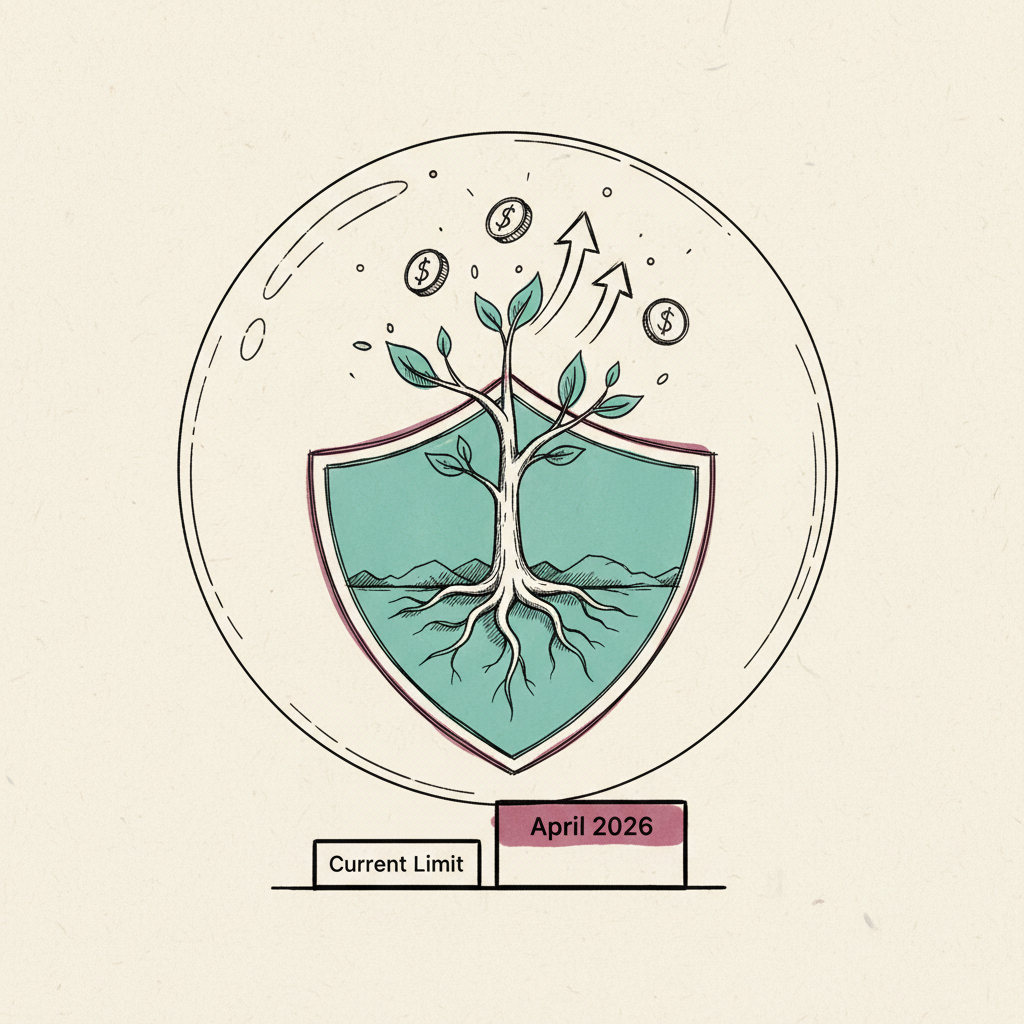
UK tax relief scheme for direct investment in small companies; limits doubled in April 2026.
Last refreshed: 4 July 2026 · Appears in 1 active topic
With VCT relief cut and EIS limits doubled, has the government just picked a winner between the two schemes?
Timeline for Enterprise Investment Scheme
Mentioned in: Record 5.66m firms as inflow is filtered
UK Startups and InnovationMentioned in: Spinout deals fall 33% as seed dries up
UK Startups and InnovationReported 7% fall in qualifying investors in 2024/25
UK Startups and Innovation: Angel base shrank 7% before the cutMentioned in: UK Q1 VC hits $7.8bn, Nscale dwarfs rest
UK Startups and InnovationMentioned in: VCTs hit £917.7m record, brace for 65% fall
UK Startups and InnovationBackground
The Enterprise Investment Scheme retained its 30% income tax relief when the Spring 2026 Budget took effect on 6 April, even as VCT relief was cut to 20%. Simultaneously, the EIS annual company investment limit doubled to £10m (up from £5m), and lifetime limits doubled to £24m for standard companies and £40m for Knowledge-Intensive Companies. The EIS/VCT combined annual company limit also rose to £10m. The government projects the package will unlock roughly £100m of additional annual investment in UK early-stage companies. HMRC's May 2026 statistics for the preceding 2024/25 tax year showed the number of investors claiming EIS relief had already fallen 7% to 33,220 (from 35,675) before the Reform took effect, even as total investment held flat at £1,575m across 3,735 companies and the London and South East share slipped to 60% from 63%.
EIS was introduced in 1994 to address the funding gap for high-risk, early-stage companies that struggle to access conventional finance. It offers investors 30% income tax relief on investments up to £1m per year (£2m for Knowledge-Intensive Companies), no capital gains tax on shares held for three years, and CGT deferral relief on other gains reinvested via EIS. Companies must be unquoted, UK-based, and under £15m gross assets at the time of investment. The scheme has channelled tens of billions into the UK startup ecosystem since its launch.
The 2026 reforms represent the most significant expansion of EIS in a decade. Companies that previously hit their lifetime CAP can now raise further EIS capital, and the doubling of annual limits is particularly valuable for deep tech and life sciences companies with long R&D cycles and high capital requirements. The widening gap between EIS (30% relief retained) and VCTs (cut to 20%) makes EIS the more attractive vehicle for investors willing to make direct company bets. Whether the doubled limits offset a shrinking pool of qualifying investors remains untested, since the HMRC decline predates the Reform designed to reverse it.