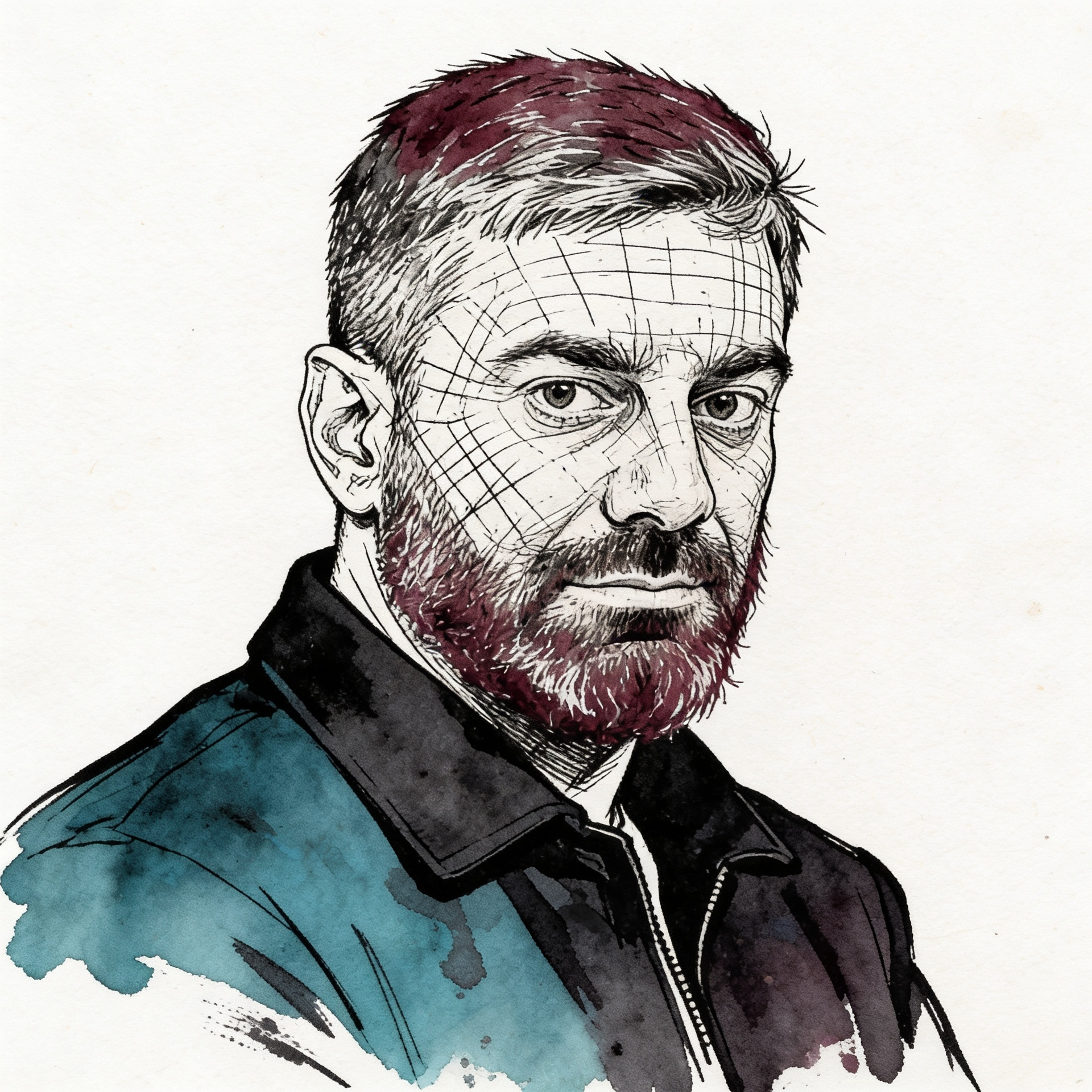
Dmytro Lubinets
Ukraine's Parliamentary Commissioner for Human Rights; principal public voice on POW conditions and exchanges.
Last refreshed: 13 May 2026 · Appears in 1 active topic
What leverage does Ukraine's human rights ombudsman actually have over Russia's prisoner policy?
Timeline for Dmytro Lubinets
Mentioned in: War's biggest prisoner swap is completed
Russia-Ukraine War 2026Stated on 12 May that the delay is exclusively due to Russia's position
Russia-Ukraine War 2026: Prisoner swap announced but not deliveredBackground
Dmytro Lubinets serves as Ukraine's Parliamentary Commissioner for Human Rights (Verkhovna Rada Ombudsman), a constitutional officer appointed by Parliament to monitor state compliance with human rights obligations and advocate for Ukrainian citizens, including prisoners of war held in Russia. In May 2026 he became the Ukrainian official who publicly assigned blame for the stalled 1,000-for-1,000 prisoner exchange, stating on 12 May that the delay was 'exclusively due to Russia's position'. The statement was notable for its directness: while Kyiv routinely contests Russian narratives, Lubinets' role as an Independent human rights officer gave the accusation institutional weight.
Lubinets was elected Ombudsman by the Verkhovna Rada in 2021. The role gives him a constitutional mandate to investigate complaints against state bodies, engage with international human rights mechanisms, and communicate conditions inside Russian detention facilities. He has been a consistent presence in reporting on Ukrainian POWs, documenting testimony from returned prisoners about conditions in Russian captivity and advocating within international forums for ICRC access.
His public communications occupy a distinct lane from Ukraine's military and diplomatic spokespeople: the Ombudsman frame allows him to make claims about Russian Conduct that would carry a different political valence if issued by the Ministry of Defence. This institutional positioning makes him one of the most-cited Ukrainian voices on prisoner-related developments, and his characterisations are routinely picked up by international media when negotiations stall.
Who is Dmytro Lubinets?
What did Lubinets say about the prisoner swap in May 2026?
What is Ukraine's human rights ombudsman responsible for?
How does Lubinets differ from Ukraine's military spokespeople?


Written with AI from Lowdown's published reporting. Not individually reviewed by an editor. Updated 13 May 2026. Editorial standards.