Why did Dallas Police travel to Mexico to prepare for the World Cup?
Timeline for Dallas Police
Joined 287(g) federal-local immigration enforcement programme in March
2026 FIFA World Cup: HRW logs 167,000 ICE arrests across US host citiesDallas Police visit Monterrey in first cross-border World Cup policing
2026 FIFA World CupBackground
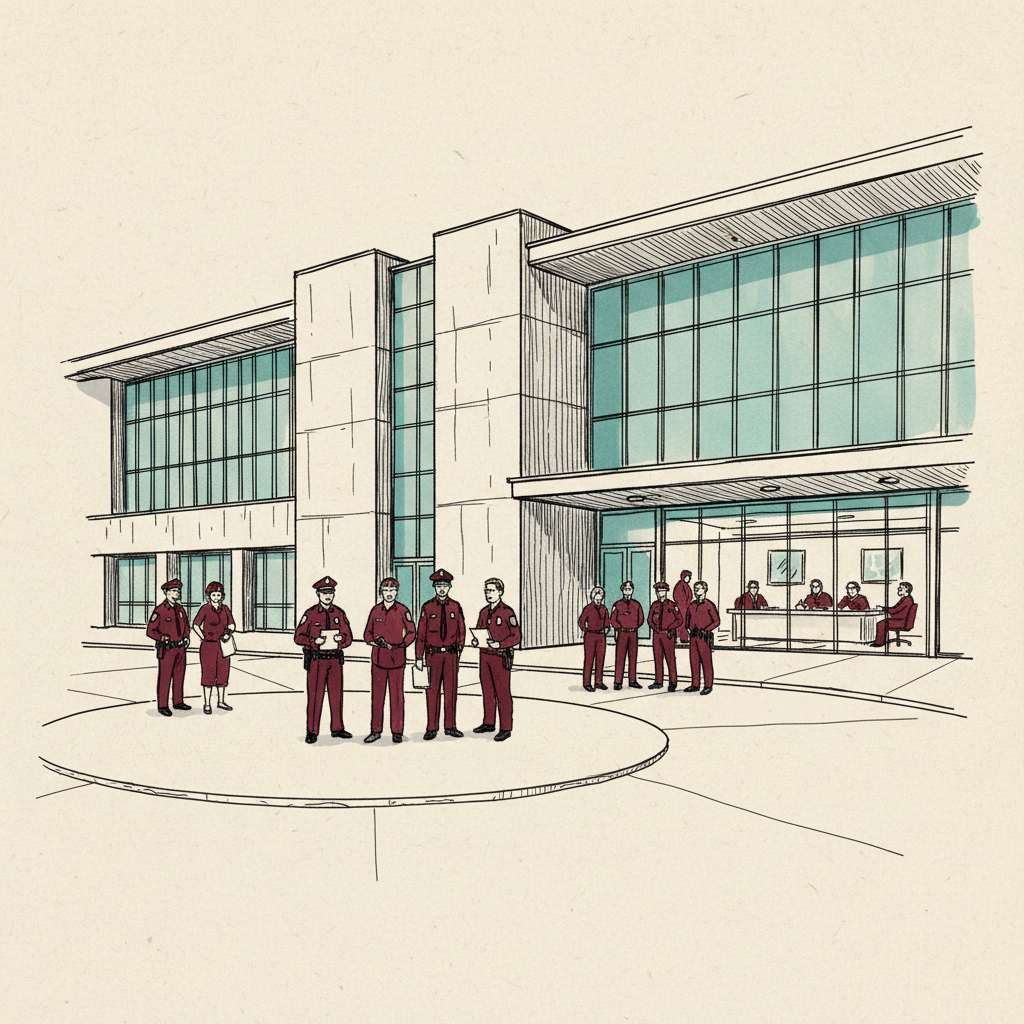
The Dallas Police Department made history on 8 April 2026 when it sent a senior delegation to Monterrey, Mexico, for joint World Cup security training , the first cross-border policing arrangement in the tournament's history. Monterrey's mayor and police chief had previously visited Dallas as part of the same security cooperation programme. The initiative reflects the unique binational Nature of the 2026 tournament, in which fans will travel between Dallas and Monterrey for group-stage matches.
The Dallas Police Department is one of the largest municipal law enforcement agencies in the United States, with approximately 4,000 sworn officers serving a metropolitan area of over 1.3 million residents. Dallas is one of eleven US host cities for the 2026 World Cup, with matches taking place at AT&T Stadium in Arlington. The department has experience managing large stadium events but the Monterrey partnership extends its operational planning across a national border , a novel jurisdiction challenge for a US municipal force.
The Monterrey arrangement is seen as a template for the broader tournament security architecture, which must account for fans moving fluidly between US and Mexican venues. Issues to be jointly managed include crowd intelligence sharing, stadium ingress protocols for cross-border ticketholders, and coordination with federal immigration enforcement , a particularly sensitive area given the tournament's backdrop of US Visa restrictions affecting several participating nations.