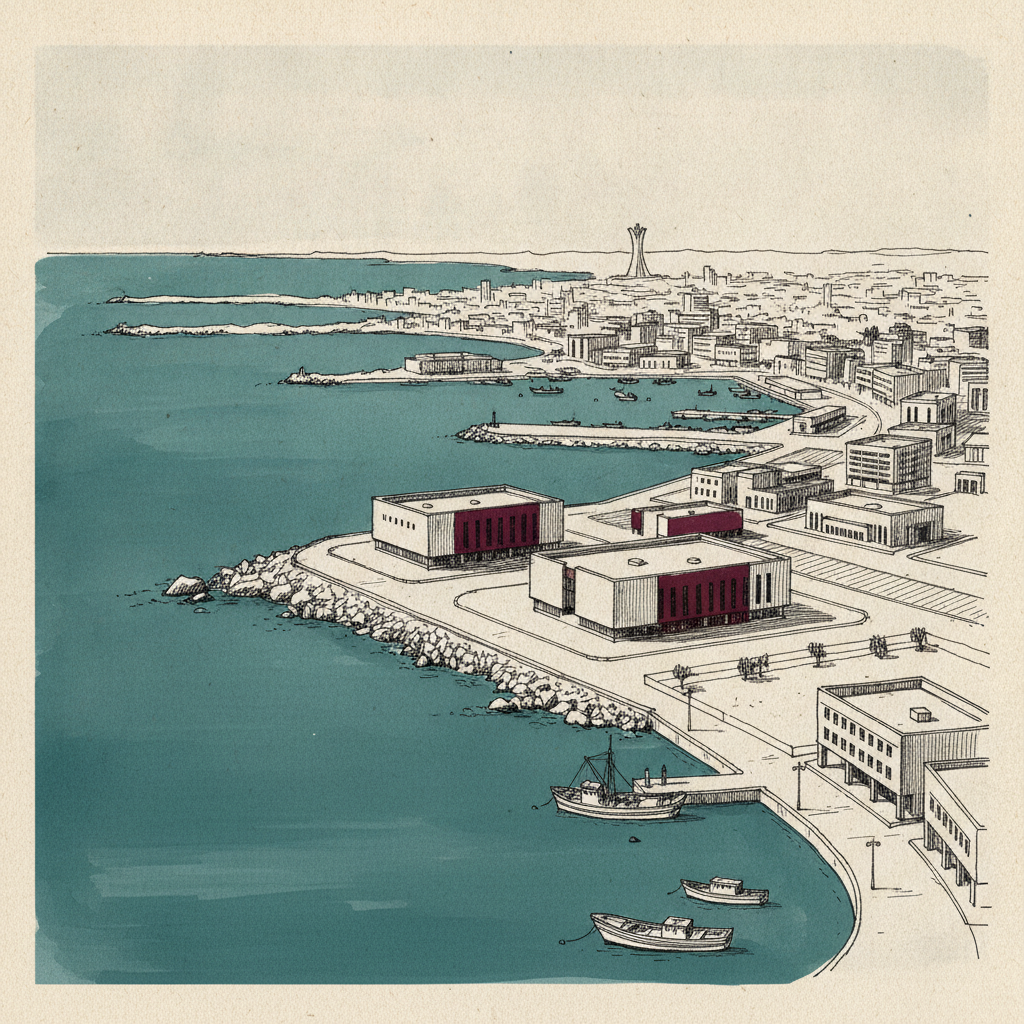
Dakar
Senegal's capital, where a WHO-accredited laboratory confirmed Ghana's Yellow fever cases.
In 2026, Dakar was Senegal's capital and largest city, with WHO-accredited laboratory capacity serving public-health work beyond Senegal.
Last refreshed: 22 October 2026 · Appears in 1 active topic
How did Dakar's laboratory confirmation shape Ghana's yellow fever response?
Timeline for Dakar
Mentioned in: Nigeria confirms an Ebola case in Abuja
Pandemics and BiosecurityHosted the WHO-accredited laboratory that confirmed the cases
Pandemics and Biosecurity: Ghana, Côte d'Ivoire hit by yellow feverBackground
Dakar is Senegal's capital and largest city, on the Cap-Vert peninsula. It is the country's political and commercial centre and hosts laboratory capacity used in regional public-health work.
A WHO-accredited laboratory in Dakar can test samples sent from other West African countries. That function makes the city a diagnostic hub without making it the site of every outbreak its laboratories confirm. The distinction between testing location and infection location is essential: laboratory evidence can shape another country's declaration and response while Dakar itself records no transmission. Individual sample results and campaigns belong in the relevant country's timeline. Dakar's durable role is as Senegal's capital and a regional centre able to provide accredited confirmation across borders.
Reference
What is Dakar?
Why was Dakar involved in Ghana's yellow fever outbreak?





Written with AI from Lowdown's published reporting. Not individually reviewed by an editor. Updated 22 October 2026. Editorial standards.