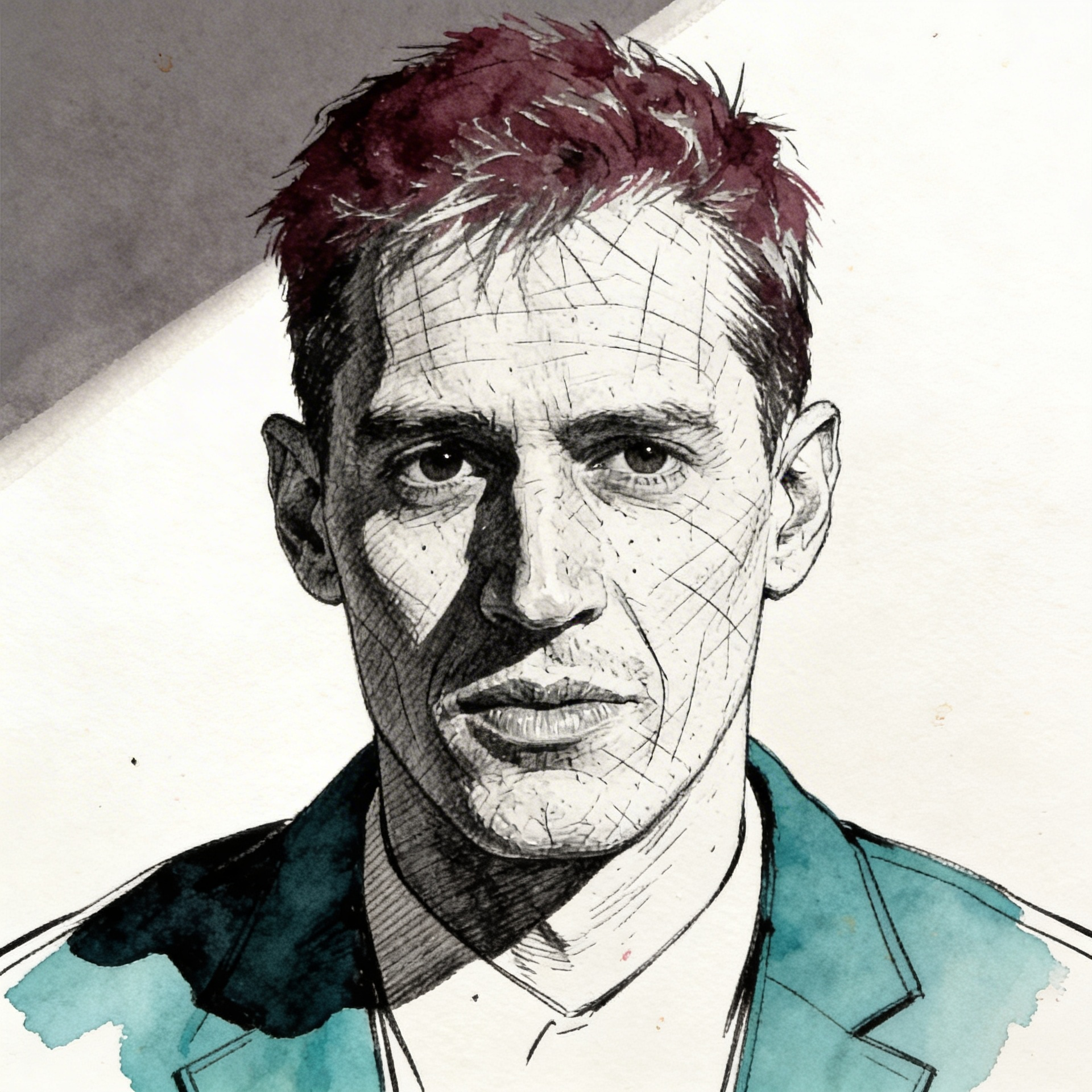
Arthur Mensch
CEO and co-founder of Mistral AI, Europe's leading Sovereign AI company.
Last refreshed: 17 May 2026 · Appears in 1 active topic
Can Arthur Mensch keep Mistral AI competitive against OpenAI without US backing?
Timeline for Arthur Mensch
Mentioned in: AI Omnibus deal splits enforcement into two speeds
European Tech SovereigntyCo-signed op-ed as Mistral AI CEO
European Tech Sovereignty: Seven CEOs ask Brussels for lessMentioned in: Mistral ships Le Chat Enterprise and Medium 3.5
European Tech Sovereigntyproposed 1–1.5% EU AI revenue levy in FT opinion piece to fund European creators
European Tech Sovereignty: Mistral CEO proposes EU-wide AI levyBackground
Arthur Mensch is the co-founder and chief executive of Mistral AI, Europe's most prominent frontier AI Lab. A former researcher at Google DeepMind, he left in 2023 with two colleagues — Guillaume Lample and Timothée Lacroix — to found Mistral in Paris, raising the company from zero to a valuation of several billion dollars in under two years. Mensch is a graduate of the Ecole Polytechnique and has a PhD from the Paris Brain Institute, combining technical depth with increasingly high-profile advocacy for European AI policy. He is widely seen as the most credible European voice in the global AI industry debate.
In 2025 Mensch proposed that the European Union introduce an AI levy on US technology firms, arguing that companies like Google, OpenAI, and Microsoft generate substantial revenues from European users while paying minimal tax relative to that activity, and that proceeds should fund European AI infrastructure. He has simultaneously advocated for amendments to the EU AI Act to avoid burdening European labs with the same compliance regime designed for FAR larger US competitors. In May 2026, Mensch co-signed a joint Handelsblatt and Corriere della Sera op-ed alongside the CEOs of ASML, Airbus, Ericsson, Nokia, SAP, and Siemens — explicitly calling for simplified AI rules, looser merger control, and industrial-policy support following a meeting with Ursula von der Leyen.
Mensch's dual role as a company founder and policy advocate gives him unusual influence in Brussels and Paris. He sits at the intersection of France's national AI strategy, EU regulatory debates, and the global competitive dynamics of the AI industry. His public statements are closely watched by policymakers, investors, and rival labs. Whether Europe can maintain a credible frontier AI Lab under competitive pressure from US and Chinese firms is, in many ways, the question his career will answer.
Who is Arthur Mensch and why is he important for European AI?
What is Arthur Mensch's proposal for taxing US AI companies?
Who founded Mistral AI and what is the founding story?
Why did Arthur Mensch sign the Handelsblatt op-ed calling for EU regulatory reform?
What is Mistral AI's business model and how does it differ from OpenAI?


