ARCHeR
Wristband biosensor tracking CREW sleep, stress, and cognition in deep space.
Last refreshed: 3 April 2026 · Appears in 2 active topics
How does deep space affect crew cognition and sleep?
Timeline for ARCHeR
Fielded by Neros for Phase 1; 1,040 of 2,400 units cleared Pentagon acceptance
Drones: Industry & Defence: Pentagon's drone buy lands a third shortMentioned in: NASA's post-mission press conference disclosed no data
Artemis II Moon MissionNASA briefing is first window for radiation data
Artemis II Moon MissionNASA defers radiation dose to peer review
Artemis II Moon MissionMentioned in: G2 geomagnetic storm active on splashdown day
Artemis II Moon MissionBackground
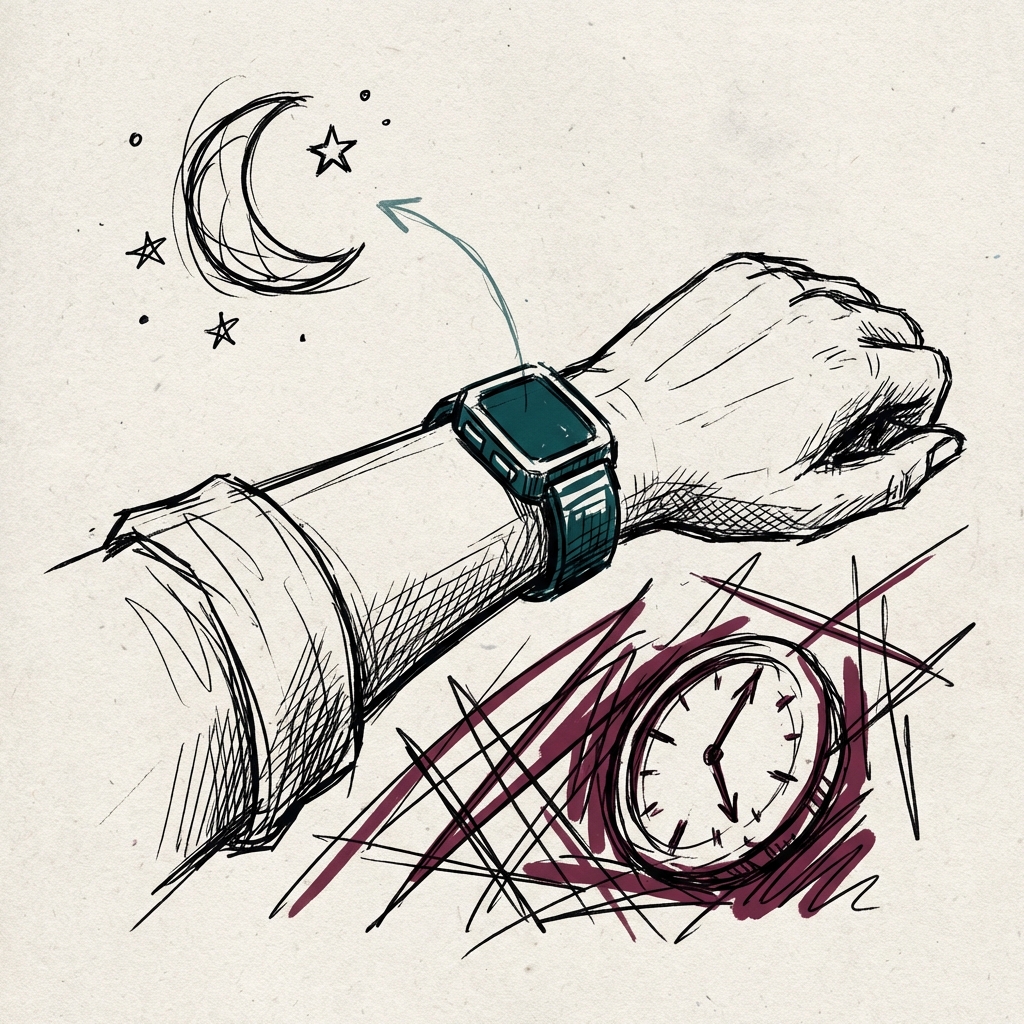
ARCHeR (Astronaut Real-time Cognitive and Health Readiness) wristbands are being worn continuously by the Artemis II CREW throughout their ten-day lunar transit, tracking sleep quality, stress markers, and cognitive performance before, during, and after the mission. The wristbands are part of a broader push to understand how deep-space conditions affect human physiology beyond the protected environment of low-Earth orbit.
ARCHeR is a biomonitoring system designed specifically for the demands of long-duration spaceflight. Unlike the relatively benign environment of the International Space Station, deep-space missions expose crews to heightened galactic cosmic ray (GCR) flux, disrupted circadian rhythms, and the psychological pressures of true isolation beyond communications reach. The wristbands collect continuous biometric data that ground Teams and mission planners will use to refine CREW health protocols for Artemis III and future Gateway operations.
The significance of ARCHeR lies in its dual role: real-time CREW welfare monitoring during the mission, and longitudinal research data shaping the human factors programme for crewed Moon landings. It is one of several life sciences payloads carried aboard Artemis II — alongside the AVATAR organ-on-chip experiments — that treat the mission itself as a research platform rather than merely a transit vehicle.
What is ARCHeR on Artemis II?
What data does ARCHeR collect on Artemis II?
Why is crew health monitoring important for deep space?
How is ARCHeR different from ISS health monitoring?



