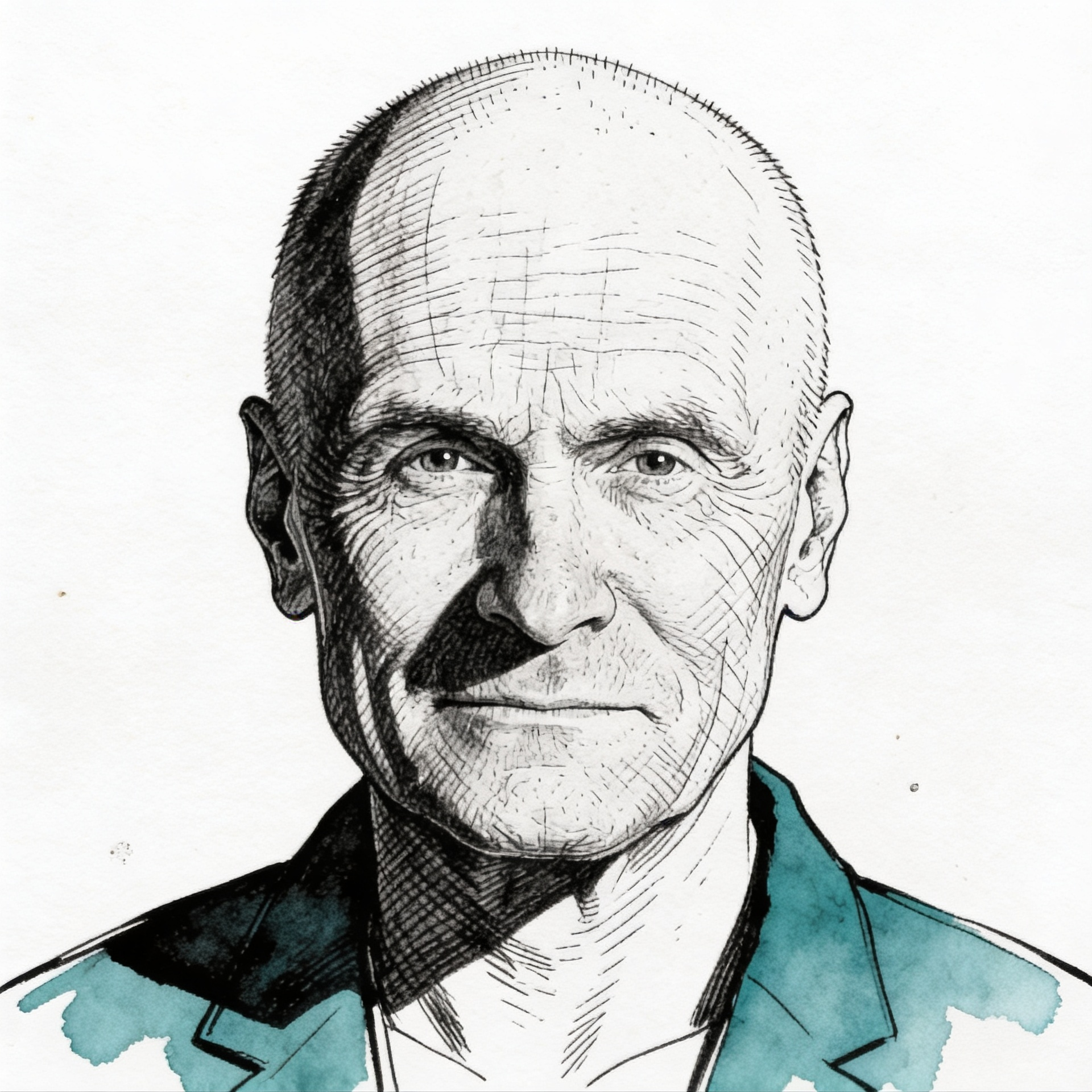
Andrew Puzder
US Ambassador to the EU; called Google's 890m-euro DMA fine a 'blunt instrument'.
Andrew Puzder has been US Ambassador to the European Union since his Senate confirmation on 2 August 2025, after 17 years running CKE Restaurants.
Last refreshed: 26 July 2026 · Appears in 1 active topic
Did a fast-food executive just stop Europe's cloud sovereignty law?
Timeline for Andrew Puzder
Mentioned in: CAIDA due before College, scope cut
European Tech SovereigntyWarned publicly that CAIDA crosses a red line inconsistent with the EU-US trade framework
European Tech Sovereignty: EU sovereignty law slips a third timeBackground
Andrew Puzder is the United States Ambassador to the European Union, appointed by the Trump administration and confirmed by the Senate on 2 August 2025 after 17 years as chief executive of CKE Restaurants, parent of Carl's Jr. and Hardee's. His background is in franchise law and food-service management rather than trade or diplomacy; Trump had earlier nominated him for US Labor Secretary in 2017, a nomination he withdrew before a Senate confirmation vote.
As ambassador, Puzder has taken an unusually public role in EU digital policy, using diplomatic interventions to press Brussels on technology regulation he views as protectionist. In the days before the EU's Cloud and AI Development Act (CAIDA) was due before the College of Commissioners on 27 May 2026, he warned publicly that the law "crosses a red line" inconsistent with the EU-US trade framework, a statement the Commission treated as an unprecedented external intrusion into its legislative process.
The package was adopted regardless at the College's next scheduled sitting on 3 June 2026, in a narrowed form covering only government procurement, illustrating the limits of his leverage on that file even as his public interventions continue.
Who is Andrew Puzder and why did he block the EU cloud law?
What is Andrew Puzder's background before becoming EU Ambassador?
Why did Andrew Puzder say CAIDA crosses a red line?
How much trade exposure does Germany have to US tariffs on automotive exports?
What did the US Ambassador say about the EU's Google fine?

