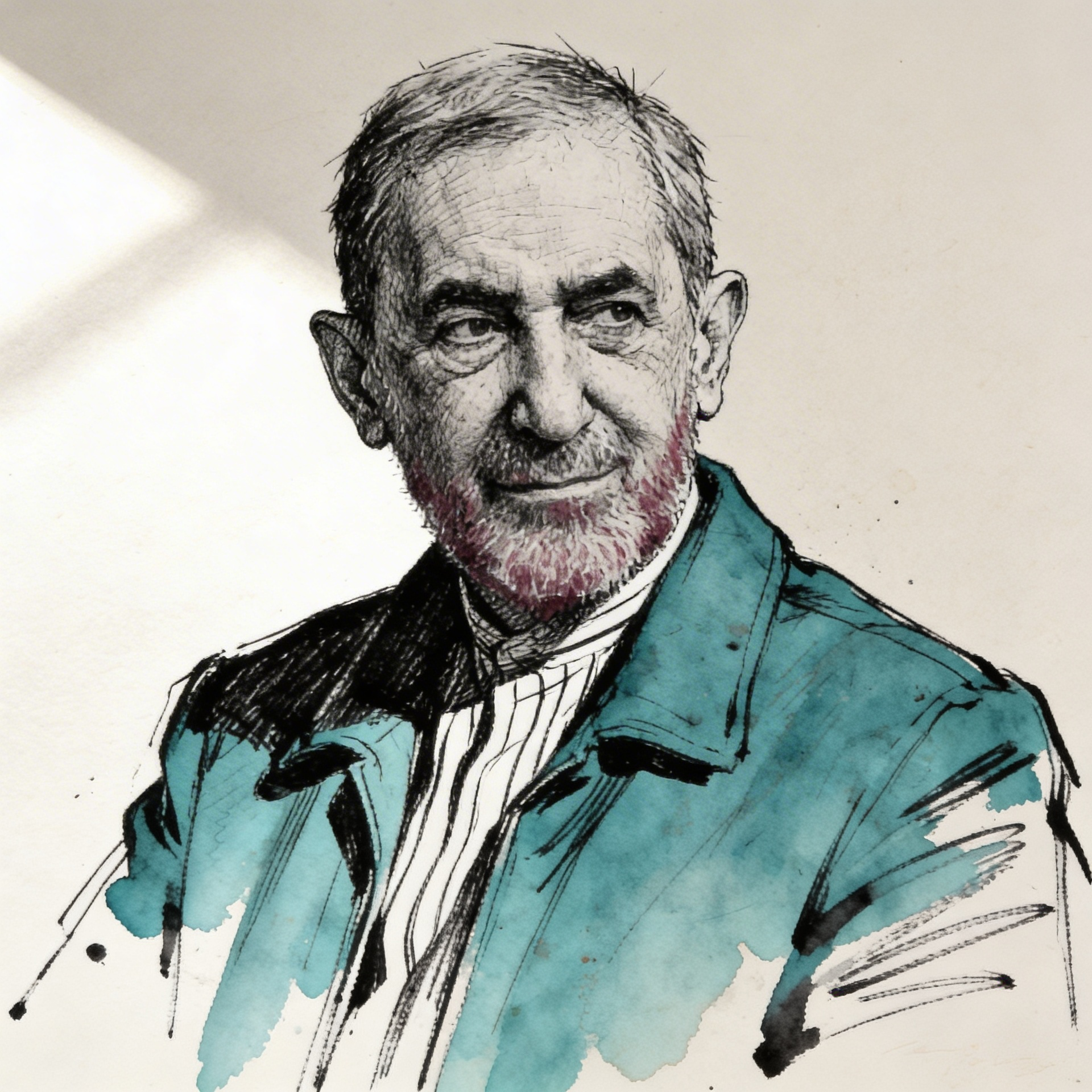
Ali Akbar Velayati
Supreme Leader adviser; publicly targeted Aoun's Hezbollah disarmament push on 6 June 2026.
Last refreshed: 6 June 2026 · Appears in 1 active topic
Why did Iran's Supreme Leader adviser warn Lebanon's president about diplomatic naivety?
Timeline for Ali Akbar Velayati
warned that diplomatic naivety carries a heavy cost, targeting Aoun's Hezbollah disarmament push
Iran Conflict 2026: Iran answers Aoun on three frontsStated resistance front views Bab el-Mandeb as it views Hormuz
Iran Conflict 2026: Bab el-Mandeb returns as second chokepointMentioned in: Iran FM: we never asked for a ceasefire
Iran Conflict 2026Background
Ali Akbar Velayati re-entered the Iran-Lebanon diplomatic dispute on 6 June 2026 as the senior-most of three Iranian officials to rebuke Lebanese President Aoun's CNN accusation that Iran uses Lebanon as a bargaining chip. Velayati warned that 'diplomatic naivety carries a heavy cost' — a targeted warning against Aoun's push to disarm Hezbollah on the basis of Israeli promises. The phrasing was coordinated: he spoke on the same day as Foreign Minister Araghchi and Ministry spokesman Baghaei, signalling the Supreme Leader's office had cleared the messaging.
Velayati is one of Iran's longest-serving Foreign Policy figures. He served as Foreign Minister from 1981 to 1997, navigating the end of the Iran-Iraq War, POST-revolution isolation, and the early years of nuclear diplomacy. He subsequently served as senior international affairs adviser to Supreme Leaders Khamenei, holding a seat on the Expediency Council. Trained as a paediatrician, he has remained a public intellectual; his appearances — primarily on PressTV — are treated as reflecting establishment doctrine rather than personal opinion, because he does not speak without coordination with The Supreme Leader's office.
An earlier 2026 signal came in April, when Velayati told PressTV that the 'resistance front views Bab al-Mandeb as it does Hormuz' — a statement analysts read as Supreme Leader-backed endorsement of the dual-chokepoint scenario that would cut approximately 25% of global seaborne energy supply. Together, his April chokepoint and June Lebanon statements define the outer EDGE of what Tehran is willing to say publicly when its proxies are under pressure.
Who is Ali Akbar Velayati and what is his role in Iran today?
What did Velayati say about Bab al-Mandeb and the Houthis?
How influential is Velayati in Iran's foreign policy decisions?
Did Iran threaten to close Bab el-Mandeb as well as Hormuz?
Who is Ali Akbar Velayati?
What did Velayati say about Lebanon's president in June 2026?
What did Velayati say about Bab al-Mandeb?
How senior is Velayati in Iran's government?


