Skip to content
You can now search across every topic, entity and event.What's new
UK Local Elections 2026
12AUG

Burnham storms back to win Makerfield

2 min read
14:07UTC

Andy Burnham won the Makerfield by-election with 24,927 votes and a 9,231 majority over Reform, on rising turnout, inverting the usual mid-term penalty for a governing party.

PoliticsAssessed
Key takeaway

Burnham beat Reform by 9,231 on rising turnout, outrunning both the 2024 baseline and the polls.

Andy Burnham won the Makerfield by-election on 18 June with 24,927 votes, a 54.8% share and a majority of 9,231 over Reform UK's Rob Kenyon 1. Turnout rose to 58.77%.

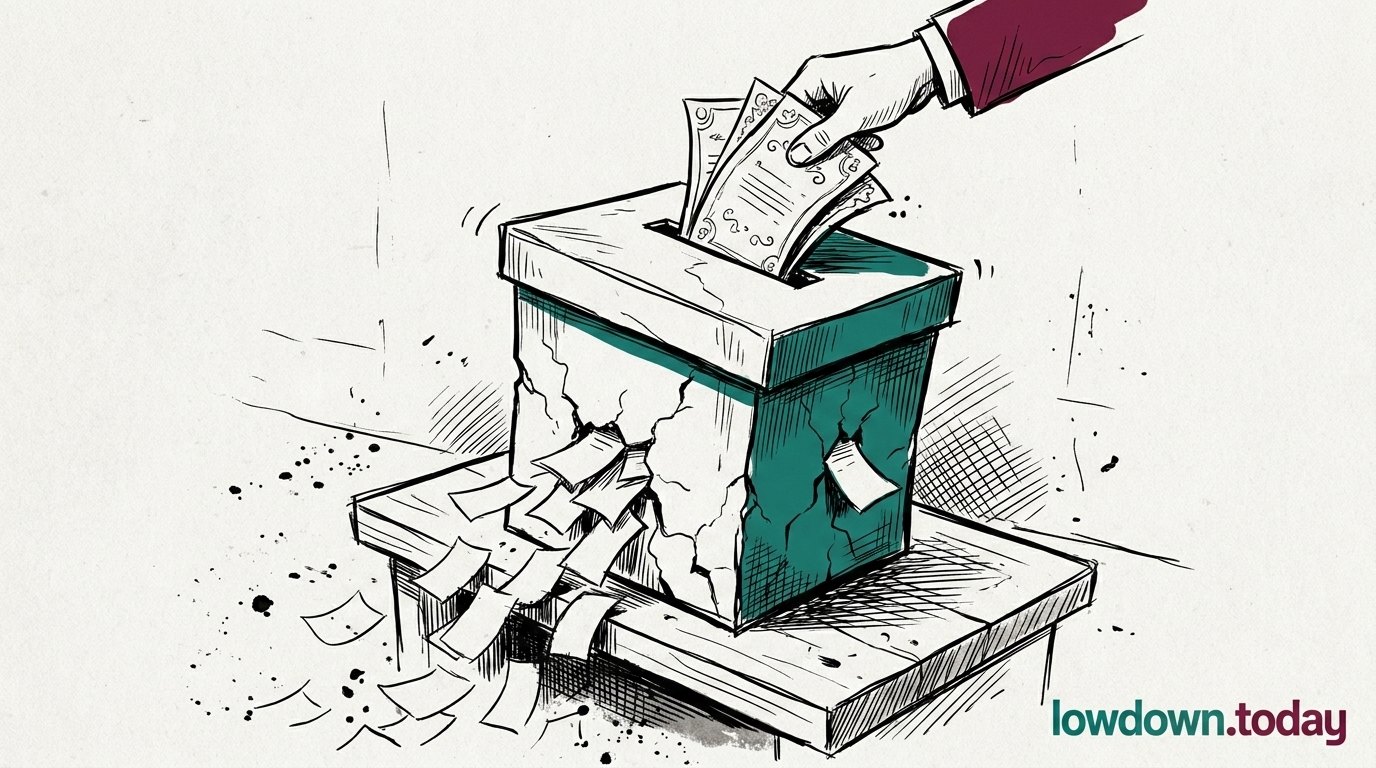
By-elections normally punish governing parties: turnout falls and the incumbent's share drops. Here both rose. Labour's share climbed from 45% at the 2024 general election, and turnout went up from 52.5%. That lift looks personal to Burnham, whose name recognition a generic Labour candidate could not match.

Reform's own share also rose, to 34.5%, while the Conservatives collapsed to fifth on 2.2%, behind Restore Britain, so the squeeze fell on the Tories rather than Reform. Burnham outran the Survation poll that had put him three points ahead by roughly twenty. The satirical candidate Count Binface took 95 votes.

Deep Analysis

In plain English

A by-election is a special vote to fill a parliamentary seat between general elections. Normally, when the governing party's candidate stands in one, both its vote share and turnout tend to fall compared with the last general election, because voters use the contest to register a protest. In Makerfield on 18 June, the opposite happened. Andy Burnham won with 24,927 votes, 54.8% of the vote, actually up on Labour's 2024 result, and more people turned out to vote than last time. Reform UK's candidate came second but also grew its vote share, while the Conservatives collapsed to fifth place behind Restore Britain. Analysts put this down to Burnham's own personal popularity as Greater Manchester's mayor, separate from how people feel about the Labour government nationally.

Deep Analysis
Root Causes

Burnham entered the contest already carrying a personal brand built over two elected terms as Greater Manchester mayor, giving him name recognition and a track record independent of the national Labour government he was not yet part of in Parliament.

That kind of split-ticket effect, where voters back a locally popular figure regardless of their party's national standing, is well documented in British Election Study research on personal votes, and explains why Makerfield diverged from the pattern seen in most governing-party by-elections.

What could happen next?
  • Consequence

    Burnham's Makerfield win gave him both a Commons seat and a result strong enough to be read as a personal mandate ahead of the Labour leadership contest.

First Reported In

Update #11 · Farage to quit Clacton to force by-election

Wigan Council· 8 Jul 2026
Read original
Different Perspectives
Sinn Féin
Sinn Féin
Sinn Féin's John O'Dowd ruled out a Stormont walkout on 11 August despite calling the DUP increasingly difficult to work with, closing a question Conor Murphy had left open a fortnight earlier. Only Sinn Féin or the DUP can collapse the joint First Minister office, so the denial gives up the party's own leverage in budget talks.
Scottish Labour
Scottish Labour
Michael Marra, Joe Fagan and Monica Lennon declared for the Scottish Labour leadership, but each needs nine endorsements from MSPs, MPs and unions before members vote, with nominations closing 17 August. Lennon, the only woman standing, says the threshold favours a male-run process and could produce an all-male ballot.
Plaid Cymru
Plaid Cymru
Plaid Cymru held both Welsh wards Reform challenged in the same set of by-elections, Bro'r Llynnoedd on Anglesey by 48.5% to 39.3% and Hengoed on Caerphilly by 49.9% to 36.4%. The party that leads the Welsh government kept Reform in second in both.
Conservative Party
Conservative Party
The Conservatives lost three of ten council by-elections fought on 30 July and 6 August, two wards to Reform in Norfolk and one to the Greens in Surrey, continuing a run of losses since the May sweep. Every seat gone had been Conservative-held going into the contest.
Reform UK
Reform UK
Reform's 56 lost councillors since May came from defection, suspension and resignation, not lost votes, while the party gained three of ten council by-elections and finished second in four more over the same fortnight. That record undercuts reading the churn as electoral retreat.
Democratic Unionist Party
Gavin Robinson rejects Sinn Féin's characterisation of the institutions as precarious, says the DUP is "committed to" delivering for the public, and will not be "goaded" into a dispute he attributes to Treasury funding rather than unionist bad faith.