Skip to content
Welcome, thoughtbot's Giant Robots listeners!Start here
Russia-Ukraine War 2026
27MAR

Ukraine codifies 50 robot models in six months

2 min read
20:48UTC

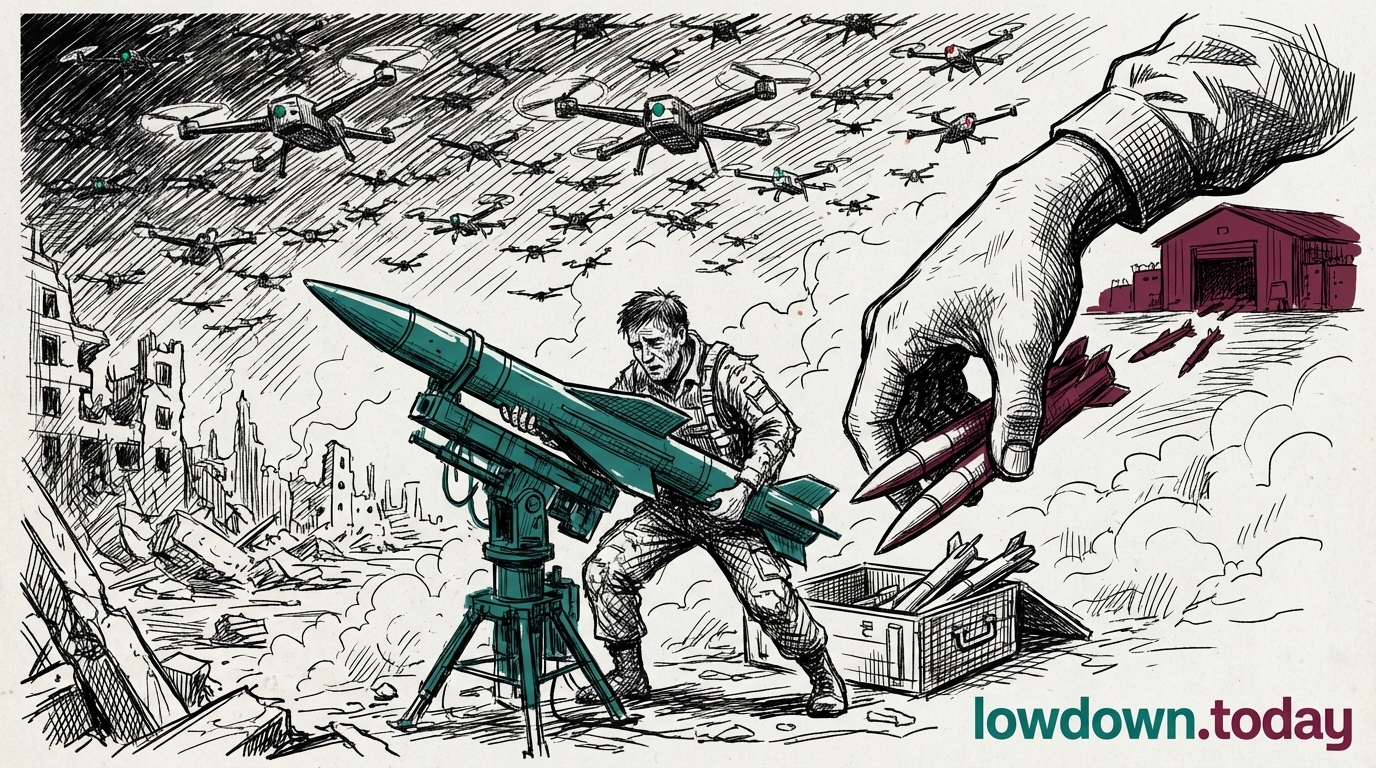
Ukraine's defence ministry approved 50 new ground-robot models in the first half of 2026, against 60 for all of last year, the confirmable measure of a programme moving faster than its disputed unit targets.

ConflictDeveloping
Key takeaway

Ukraine is approving new robot designs at nearly double last year's rate, firmer than any disputed unit count.

Ukraine's Ministry of Defence codified 50 new ground-robotic-complex models in the first half of 2026, against 60 for all of 2025, inside a wave of roughly 1,000 codifications running more than 50% ahead of last year. Codification approves a design for service, so the figure measures how fast new robot types clear the gate, not units fielded, and no closed tally has been published against the 25,000-unit H1 target set in April.

The firmer H1 numbers are narrower: the Defence Procurement Agency signed 19 manufacturer contracts worth about UAH11bn (around $250m), and ground robots ran more than 21,500 logistics and evacuation missions in the first quarter alone. This is the demand that the ARX Industries venture and the Dutch THeMIS line are adding capacity to feed.

For a European planner the codification rate, not the headline target, is the number to benchmark: it is the speed at which a wartime process validates designs that a peacetime one cannot match.

Deep Analysis

In plain English

Ukraine officially approved 50 new types of ground robot for military use in the first six months of this year, compared with 60 in the whole of last year. That does not mean 50 new robots are already on the front, but it shows how fast the country is testing and clearing new designs, far faster than peacetime militaries manage, because the war forces rapid trial and error.

What could happen next?
  • Meaning

    Codification pace, not the unverified 25,000-unit target, is the metric European planners should benchmark iteration speed against.

  • Risk

    A widening approved-type list could fragment the UGV supplier base and complicate NATO interoperability.

First Reported In

Update #5 · Britain names four robot warship classes

lb.ua· 3 Jul 2026
Read original →
Causes and effects
This Event
Ukraine codifies 50 robot models in six months
Codification pace is a cleaner benchmark than the unverified 25,000-unit target: it shows how fast the front is validating new robot designs, which is the tempo European makers are building to match.
Different Perspectives
Government of Latvia
Latvia abstained on 22 September when the EU renewed its individual sanctions for 36 months at the price of delisting Alisher Usmanov and Mikhail Fridman, and promised national sanctions of its own. Riga's abstention marks how far a frontline member state will go to keep listed names listed.
India's Ministry of External Affairs
After the House passed the Graham bill on 16 September, India's foreign ministry said it would keep buying energy on market terms and protect its trade. Russia supplied 30.3% of India's crude imports in fiscal 2026, so the tariff decision due around 18 October falls directly on New Delhi.
Kaja Kallas, EU foreign policy chief
Kallas answered the US licence on 10 October by saying Europe would not ease pressure, and EU ministers adopted a 22nd package of nearly 1,600 listings two days later. Brussels is tightening as Washington loosens, though TASS reported the package adds no significant new trade restrictions.
Donald Trump and the US Treasury
The Treasury licensed Russian diesel imports until 7 April 2027 on the day of Trump's call with Putin, and Trump then told reporters Ukraine should find a new leader. Washington is trading sanctions relief for fuel supply while pressing Kyiv to halt the refinery strikes behind the shortage.
Kremlin and Deputy Prime Minister Alexander Novak
After the 9 October call the Kremlin said Russia was ready to supply oil and petroleum products to American and global markets, and Novak brought forward the end of diesel export curbs. Moscow is selling the shortage back as goodwill, with volumes that Decree No. 686 now hides from outside checks.
Volodymyr Zelenskyy, President of Ukraine
Zelenskyy called GL 135 an investment in prolonging the war and offered to stop striking Russian refineries if Russia stops destroying Ukraine's energy system. Answering Trump's call for a new leader, he set a total 60-day ceasefire as the condition for elections, which puts the next move on Moscow.

Written with AI from Lowdown's published reporting. Not individually reviewed by an editor. Editorial standards.
