Skip to content
Welcome, thoughtbot's Giant Robots listeners!Start here
Russia-Ukraine War 2026
5MAR

OPEC+ weighs a fourth August hike

2 min read
04:57UTC

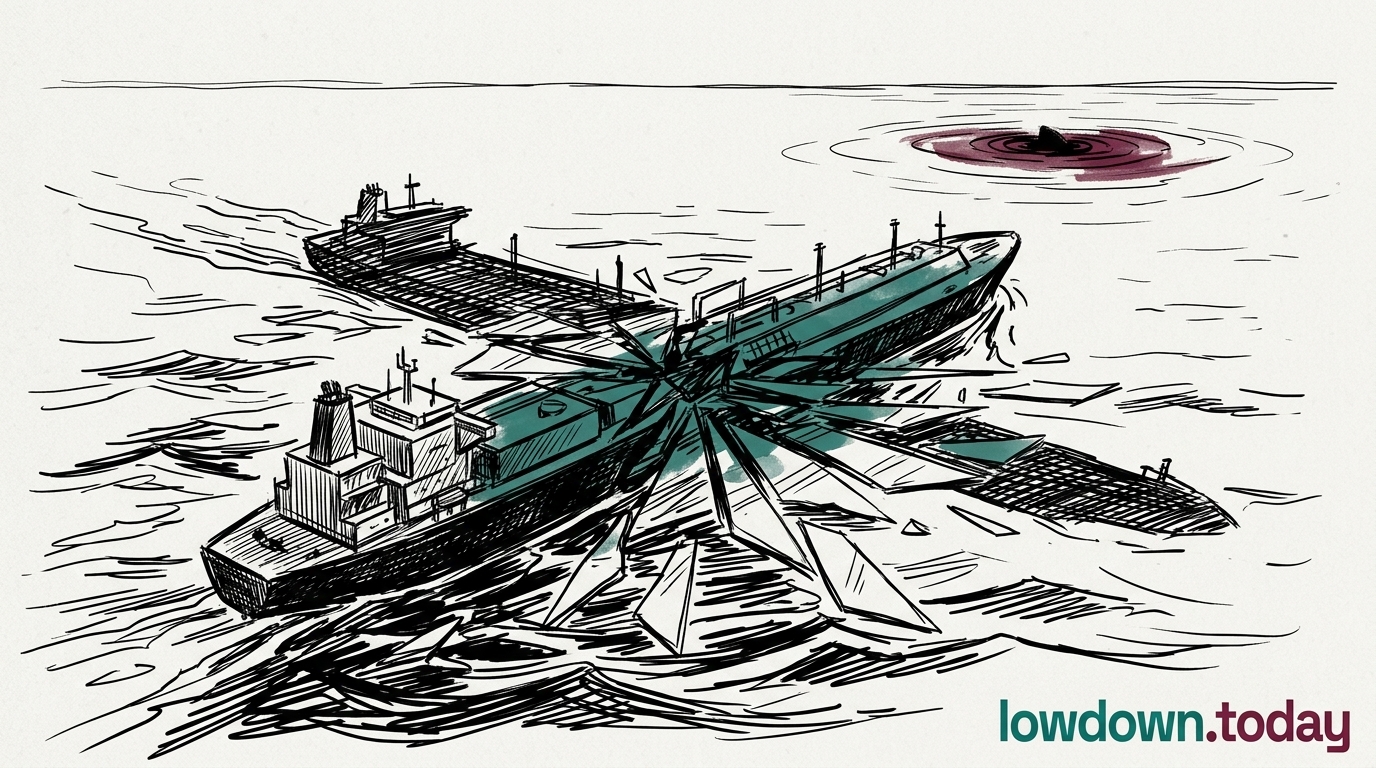
The eight-member OPEC+ group meets on Sunday 5 July to set August quotas, with the market expecting a fourth straight hike of roughly 188,000 barrels a day.

ConflictDeveloping
Key takeaway

OPEC+ is expected to vote a fourth 188,000-barrel hike on Sunday, a market-share signal not deliverable supply.

The eight-member OPEC+ subgroup is due to meet on Sunday 5 July to set August quotas, with the market expecting a fourth consecutive rise of roughly 188,000 barrels a day after some 800,000 barrels a day added across April to July. OPEC+, the producer alliance of OPEC states plus Russia and other partners that controls about 37% of global crude, has not yet decided; the vote lands after this briefing publishes.⁠1

Group output sat near a 37-year low in June even as the alliance ratified its July hike, so any August barrels are nominal quota rather than deliverable crude. Delegates signal the increase, and it reads as a claim on future market share, not oil that reaches the water next month.

Onto a falling crude tape with products already lagging, a paper increase widens the flat-versus-structure split this desk trades. Ministers either approve the hike or pause the unwind at the weekend, and the desk trades the result on Monday.

Deep Analysis

In plain English

OPEC+ is a group of oil-producing countries, led by Saudi Arabia and Russia, that meets regularly to decide how much oil its members are allowed to pump. On Sunday 5 July, eight of those countries will vote on next month's production limit. Most traders expect them to raise output again, the fourth increase in a row, adding to roughly 800,000 barrels a day already added since April. More oil pumped generally pushes prices down, but the group is choosing to prioritise winning back market share over propping up prices for now.

Deep Analysis
Root Causes

The eight-member subgroup, Saudi Arabia, Russia, Iraq, the UAE, Kuwait, Kazakhstan, Algeria and Oman, holds monthly discretion over tranche size under the Declaration of Cooperation framework. The structural pressure to keep hiking despite a falling price is market-share defence: pausing now would reward Iraq and Kazakhstan, both chronic quota over-producers, for cheating rather than compliance.

That pressure sits awkwardly against OPEC's own June Monthly Oil Market Report, which trimmed 2026 demand growth for a third consecutive month; hiking supply while cutting demand forecasts is a market-share bet, not a balanced-market call, and if Saudi Arabia unilaterally throttles back while other members keep pumping above their allotted share, group discipline erodes further.

What could happen next?
  • Risk

    A confirmed fourth hike into a sub-$71 Brent tape raises the odds of a pause or reversal at the following month's meeting if prices keep falling.

First Reported In

Update #13 · Distillate deficit eases; the crack won't

Oil & Gas 360· 3 Jul 2026
Read original →
Different Perspectives
South Korean foreign ministry
Seoul said on 20 October it will withdraw some Kyiv embassy staff, citing no constructive steps from Kyiv since it recalled its ambassador over the disclosure of two North Korean prisoners. A chargé d'affaires and consular staff stay, and Seoul says its aid continues.
Alexander Lukashenko
Lukashenko said on 22 October that talks with the US show progress despite problems, which he said were highlighted with the exchange of political prisoners for the lifting of sanctions. He said Minsk keeps its promises and wants the US to deliver its side in full.
Moldovan government (Daniella Misail-Nichitin)
Moldova has pulled its border guards and customs officers from four crossings on Ukrainian soil after Russian strikes near the border. Interior Minister Daniella Misail-Nichitin said Chisinau is weighing moving Ukrainian checkpoints onto Moldovan territory.
Péter Magyar
Péter Magyar
Magyar told RTL that Ukrainian maize may cross Hungary in sealed trains bound for Western Europe. He set one condition: the cargo must only transit the country.
Donald Tusk
Donald Tusk
Tusk said Warsaw would seek an explanation from Kyiv for the drone's route across Poland. He said Poland allows no operations over its territory without its explicit consent.
Mindaugas Sinkevičius
Lithuania's prime minister said the Ukrainian drone that exploded in Pasvalys district on 18 October carried explosives and entered from Poland through the Schengen zone. Earlier drones over Lithuania had come from Belarus, not through allied airspace.

Written with AI from Lowdown's published reporting. Not individually reviewed by an editor. Editorial standards.