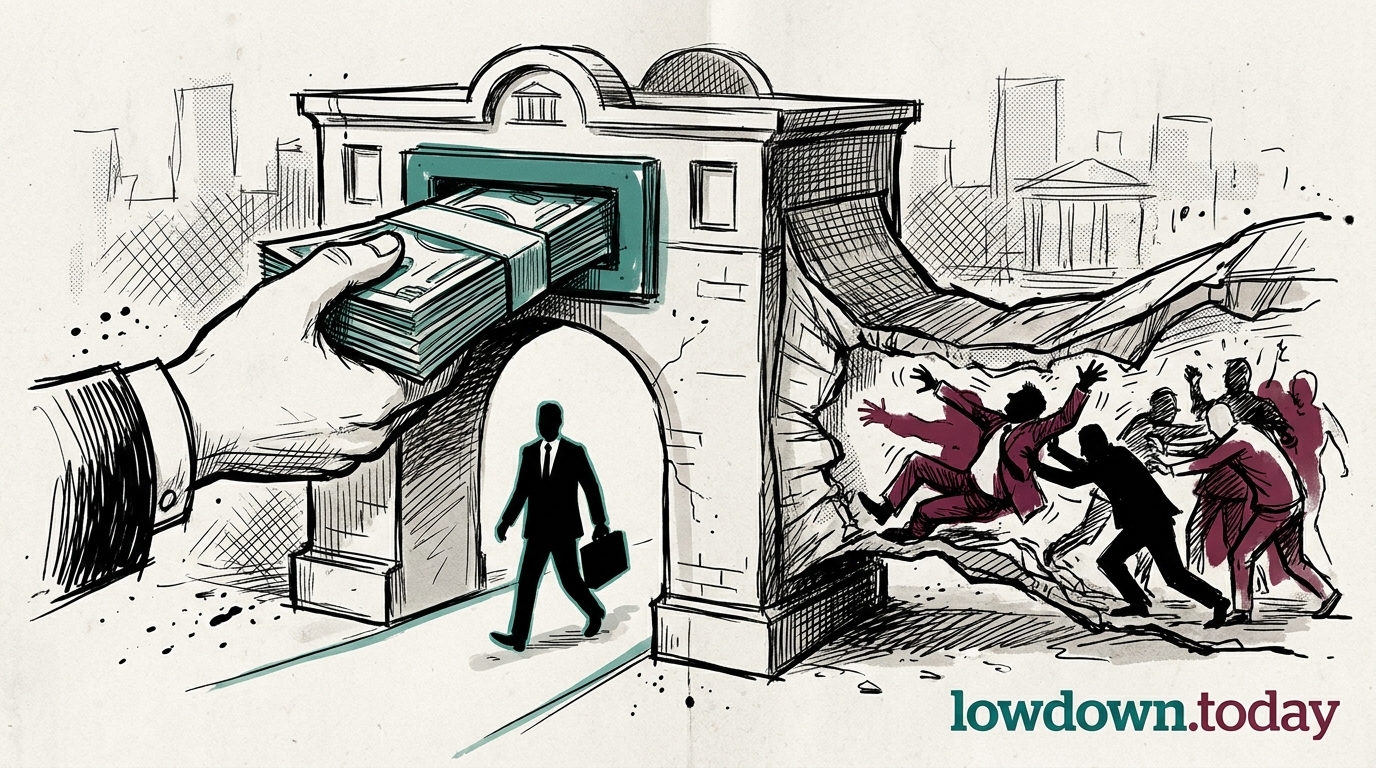
Thailand's cabinet voted on 19 May 2026 to scrap the 60-day visa-free entry that 93 countries had used since July 2024, cutting most arrivals to a single 30-day stay. Fifty-four countries keep the 30-day exemption, extendable once for a further 30 days; some nations drop to 15 days, and a handful lose visa-on-arrival latitude. The measure is approved but not yet in force: it takes effect 15 days after the Thai Royal Gazette (Thailand's official government publication) prints three Interior Ministry announcements, which had not happened as of 29 May.1
Prime Minister Anutin Charnvirakul put the rationale on the cabinet record, citing grey-capital networks (offshore money flows and criminal proceeds), illegal nominee-owned businesses, and a push toward higher-spending visitors. "Visa-free entry does not mean allowing people to enter without conditions," he said.2 Tourism is more than a tenth of Thai gross domestic product (GDP), and first-quarter arrivals were already down 3.4% year-on-year, so the squeeze lands on a softening market rather than a booming one.
The Destination Thailand Visa (DTV), a 180-day permit requiring proof of 500,000 baht in savings (roughly 13,000 euro), sits outside the exemption change and is applied for separately, so the priced long-stay route is left standing. Narrowing the free short-stay door while the income-gated door stays open echoes the income gate Indonesia reached for when it raised its E33G nomad-visa floor to 60,000 US dollars a year, and the launch parameter Bulgaria set when its permit cleared at 27,533 euro a year. The drivers diverge completely: Thailand is chasing crime and nominee fronts, Bulgaria's number is pegged to its minimum wage, Indonesia is raising revenue. No treaty or forum coordinates the three governments, yet each savings proof and income floor prices out the same mid-income tier.


