If Porto's AIMA office is at over 70% strike adhesion, where do D8 applicants go to finalise their residence permits?
Timeline for Porto
Mentioned in: Portugal cuts AIMA backlog to 30,000
Nomads & CommunitiesMentioned in: Eustaquio sends Canada past South Africa
2026 FIFA World CupMentioned in: Spain housing fails owners and renters
Nomads & CommunitiesMentioned in: Thailand halves its visa-free entry window
Nomads & CommunitiesMentioned in: AIMA mediators strike, D8 pipeline stalls
Nomads & CommunitiesBackground
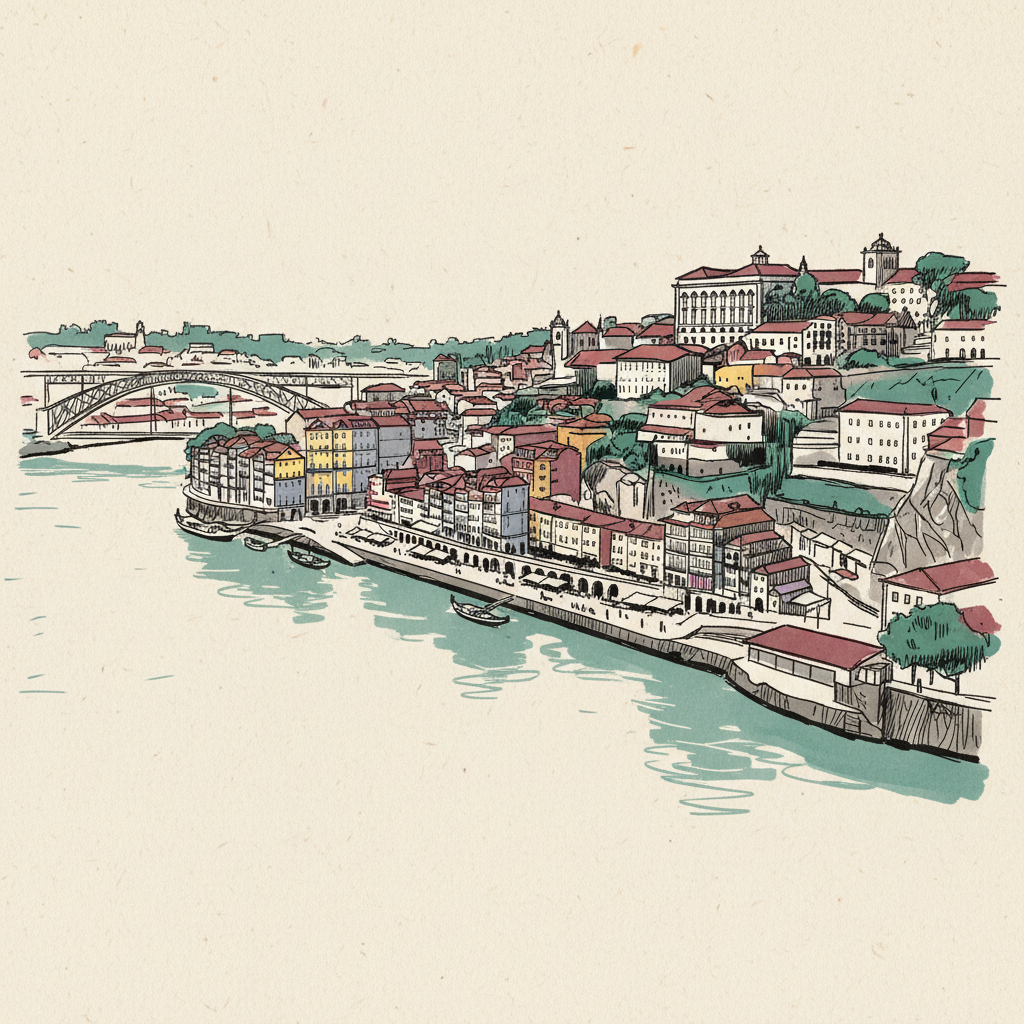
Porto is Portugal's second-largest city and the economic capital of northern Portugal, with a population of approximately 240,000 in the city proper and over 1.7 million in the metropolitan area. The historic Ribeira district, a UNESCO World Heritage Site, sits alongside the Douro River, making Porto one of Europe's most architecturally distinctive cities. Porto is typically 20-30% more affordable than Lisbon while offering comparable infrastructure for remote work, which has made it a preferred alternative base for digital nomads and long-stay visitors within Portugal.
Porto features prominently in the D8 digital nomad visa pipeline, with a major AIMA office that processes residency applications for the northern region. The March 2026 mediator strike at AIMA hit Porto disproportionately hard: strike adhesion in Porto was reported above 70%, directly stalling the appointment backlog that already held 40,000 to 60,000 pending cases nationally. AIMA's dedicated Mission Structure, created to clear the roughly one million cases inherited from the previous government, formally concluded on 31 December 2025, but the Porto office stayed open specifically to work the residual tail: by 1 July 2026 just 30,000 cases remained nationally, described by deputy minister Rui Armindo Freitas as complex files still requiring analysis or applicant contact. Porto also appears in Eurostat's short-term rental data for Portugal, as the city's tourist appeal has driven significant Airbnb penetration, putting it within scope of EU Regulation 2024/1028's data obligations from May 2026.
Porto's nomad community has grown significantly since 2022, drawn by the D8 visa route, the city's Atlantic coast proximity, strong English-language prevalence, and a developing startup ecosystem centred on the Matosinhos and Bonfim districts. The city's lower rents and more relaxed pace compared with Lisbon make it the default second-choice base for Portugal-bound remote workers WHO cannot get Lisbon appointments with AIMA.