Skip to content
Briefings are running a touch slower this week while we rebuild the foundations.See roadmap
Iran Conflict 2026
29APR

Brent at $112 as Houthis join the war

2 min read
09:17UTC

The IEA's largest-ever emergency oil release has not stabilised prices; a Dow executive warned supply chains will take nine months to recover after the strait reopens.

ConflictDeveloping
Key takeaway

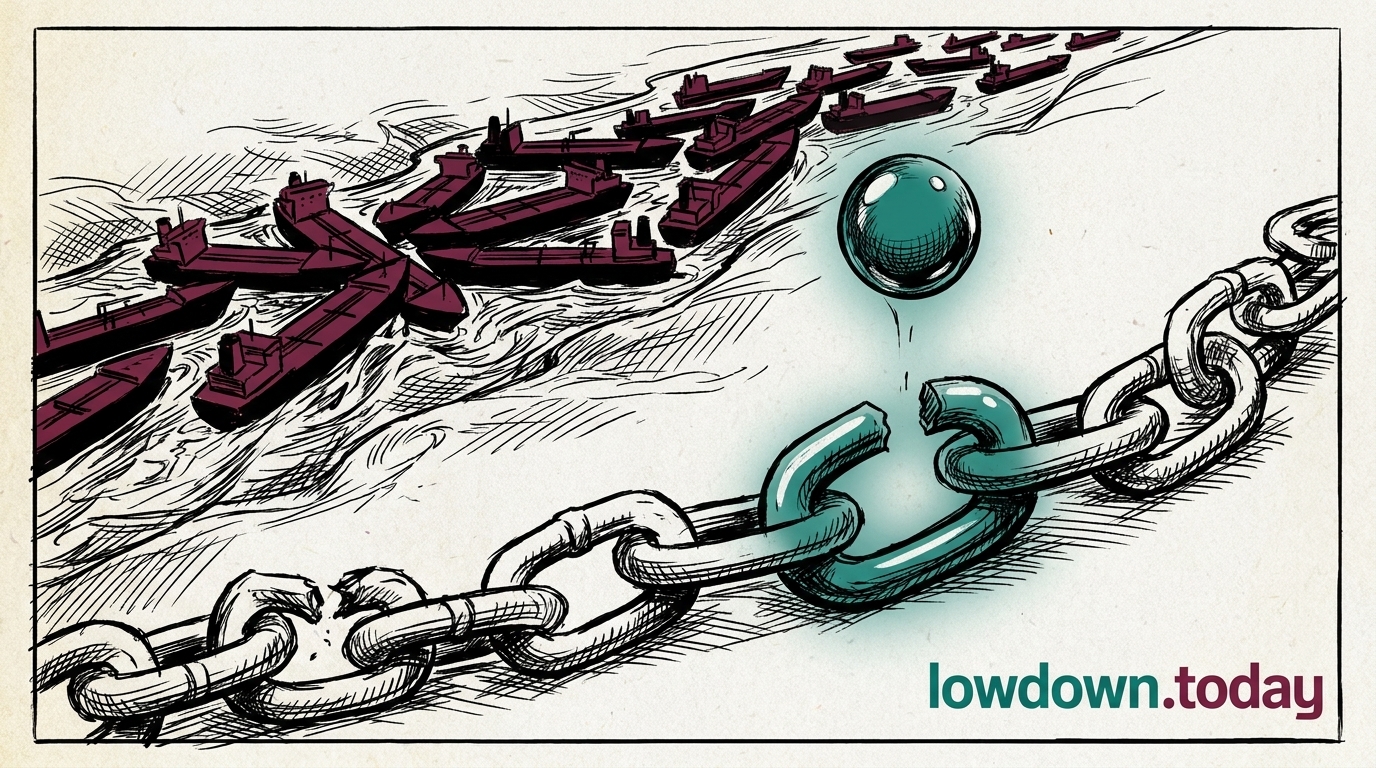
Nine months of supply chain damage is locked in regardless of when the war ends.

Brent Crude closed at $112.57 on 28 March, up 4.22% on the day. Pre-war Brent was $67.41; the current price represents a 67% increase in 29 days. The Houthi entry and Iran's firm rejection of negotiations drove the reversal. 1

The IEA's record 400 million barrel emergency release, the largest in the agency's 50-year history, has not stabilised prices. The IEA itself said why: "The most important factor is resumption of regular transit through the strait of Hormuz." 2 European reserves are predominantly industry-held: 74.8 million barrels from industry versus 32.7 million from government, giving European governments less direct control than the headline figure implies.

Dow CEO Jim Fitterling stated the damage is already locked in: even if Hormuz reopens tomorrow, petrochemical supply chains will take 250-275 days to unwind. The US-Asia petrochemical pricing gap has surged from under $500 to over $1,200 per metric tonne. 3 US farmers face a 2 million tonne urea shortfall during spring planting, with urea prices up 49% to $720 per tonne. Corn and wheat yields on affected fields could fall 10-20%, with downstream effects on global grain prices by autumn.

Deep Analysis

In plain English

Oil prices closed at $112.57 per barrel on 28 March, up about 4% on the day. Before the war started, a barrel cost $67.41. The 67% rise in 29 days is one of the fastest sustained oil price increases in modern history. The IEA, a group of oil-consuming countries, released the largest emergency oil reserve in its history: 400 million barrels. It has not reduced prices. The IEA itself said why: reserves cover a temporary supply disruption; they cannot substitute for a closed shipping route. For a British driver, $112 oil means roughly £1.80 per litre at the pump. For farmers, fertiliser is the bigger problem. Urea, the chemical used to grow corn and wheat, has risen 49% in price and the US faces a 2 million tonne shortage this spring planting season. Crop yields could fall 10-20%, and those effects will reach food prices by autumn.

What could happen next?
  • Consequence

    A ceasefire today does not end the economic damage: Dow's 250-275 day supply chain unwind means petrochemical-driven inflation persists into Q1 2027 regardless of conflict resolution.

  • Risk

    The 2 million tonne urea shortfall is not substitutable within a planting season; US crop yields in autumn 2026 are already compromised regardless of war outcome.

First Reported In

Update #50 · Houthis join; Iran holds two chokepoints

Fortune· 28 Mar 2026
Read original
Different Perspectives
Israel
Israel
Israeli strikes on Hezbollah positions in Lebanon continued through the weekend, maintaining the secondary front. The IDF has publicly named Mojtaba Khamenei as an assassination target; his courier-governance mode complicates targeting but does not remove him from the order.
Russia
Russia
Putin told a Moscow press conference that Washington, not Tehran or Moscow, killed the Russia-custody uranium arrangement by demanding US-territory-only storage. Neither Tehran nor Washington has corroborated the account, which appeared in second-tier outlets only, consistent with a trial balloon rather than a formal position.
United Kingdom
United Kingdom
HMS Dragon was redeployed from the Eastern Mediterranean to the Middle East on 9 May, the first physical European platform commitment to the Gulf. The Ministry of Defence called it "prudent planning" while publishing no rules of engagement, no tasking order, and no vessel name, committing a named asset to a conflict zone before the political instrument authorising it exists.
United Arab Emirates
UAE air defences intercepted two Iranian drones over its territory on 10 May, a kinetic escalation six days after the Fujairah oil terminal strike that drew no formal protest. The three-state simultaneous operation, not the severity of individual strikes, appears to have crossed the threshold at which the GCC states collectively began responding.
Saudi Arabia
Saudi Arabia
Riyadh issued the first formal Gulf-state protest of the conflict on 10 May, demanding an "immediate halt to blatant attacks on territories and territorial waters of Gulf states", ending 10 weeks of channelling displeasure through OPEC+ quota discussions. The protest forecloses Saudi Arabia's preferred quiet-channel role and reduces the functioning back-channel architecture to Pakistan alone.
Qatar
Qatar
Doha is simultaneously a strike target, the site of the Safesea Neha attack 23 nautical miles offshore, and an active MOU mediator: Qatar's prime minister met Rubio and Vance in Washington the same weekend. Whether Qatar issues its own formal protest or maintains its dual role is the critical escalation indicator for the week of 11 May.