Skip to content
Briefings are running a touch slower this week while we rebuild the foundations.See roadmap
Iran Conflict 2026
28MAR

59% say Iran war was wrong, no rally

2 min read
17:06UTC

Supermajority disapproval in the war's first month is historically unusual; even young Republicans are split below 50%.

ConflictDeveloping
Key takeaway

No rally effect at one month; 78% oppose ground troops the Pentagon is deploying.

Pew Research Center surveyed 3,524 US adults between 16 and 22 March. The results: 59% said striking Iran was the wrong decision; 61% disapprove of Trump's handling of the conflict, with 44% strongly disapproving. 1

The partisan split runs deep but is not uniform. 90% of Democrats disapprove. Among Republicans, 69% approve, but young Republicans aged 18-29 approve at only 49%, below majority. A separate Ipsos poll found 78% oppose sending ground troops; only 17% support it.

Duration expectations are themselves partisan. 68% of Democrats expect the war to last six months or more. 58% of Republicans expect it to end within six months. These incompatible timelines will generate divergent political pressures as the 6 April deadline passes and the 82nd Airborne arrives in theatre.

Deep Analysis

In plain English

A major US polling organisation, Pew Research, surveyed over 3,500 Americans in mid-March. Most said the decision to strike Iran was wrong. More than six in ten disapprove of how Trump is handling the war. The usual pattern in American wars is that public support rises sharply in the first weeks because people rally behind the country. That did not happen here. Among young Republicans aged 18-29, support for the war fell below 50%. A separate poll found 78% of Americans oppose sending ground troops. The Pentagon is already deploying ground forces into the region.

What could happen next?
  • Consequence

    58% Republican support does not guarantee House passage of the $200 billion war funding request; MAGA-faction defections and Democratic opposition create a floor risk on authorisation.

  • Risk

    Young Republican disapproval below majority creates a mid-term liability that Republican congressional leaders will begin flagging privately to the White House as the 6 April deadline approaches.

First Reported In

Update #50 · Houthis join; Iran holds two chokepoints

Pew Research Center· 28 Mar 2026
Read original
Causes and effects
This Event
59% say Iran war was wrong, no rally
The absence of a rally-around-the-flag effect constrains the administration's room for escalation, particularly on ground troops.
Different Perspectives
Gulf shipping and insurance markets
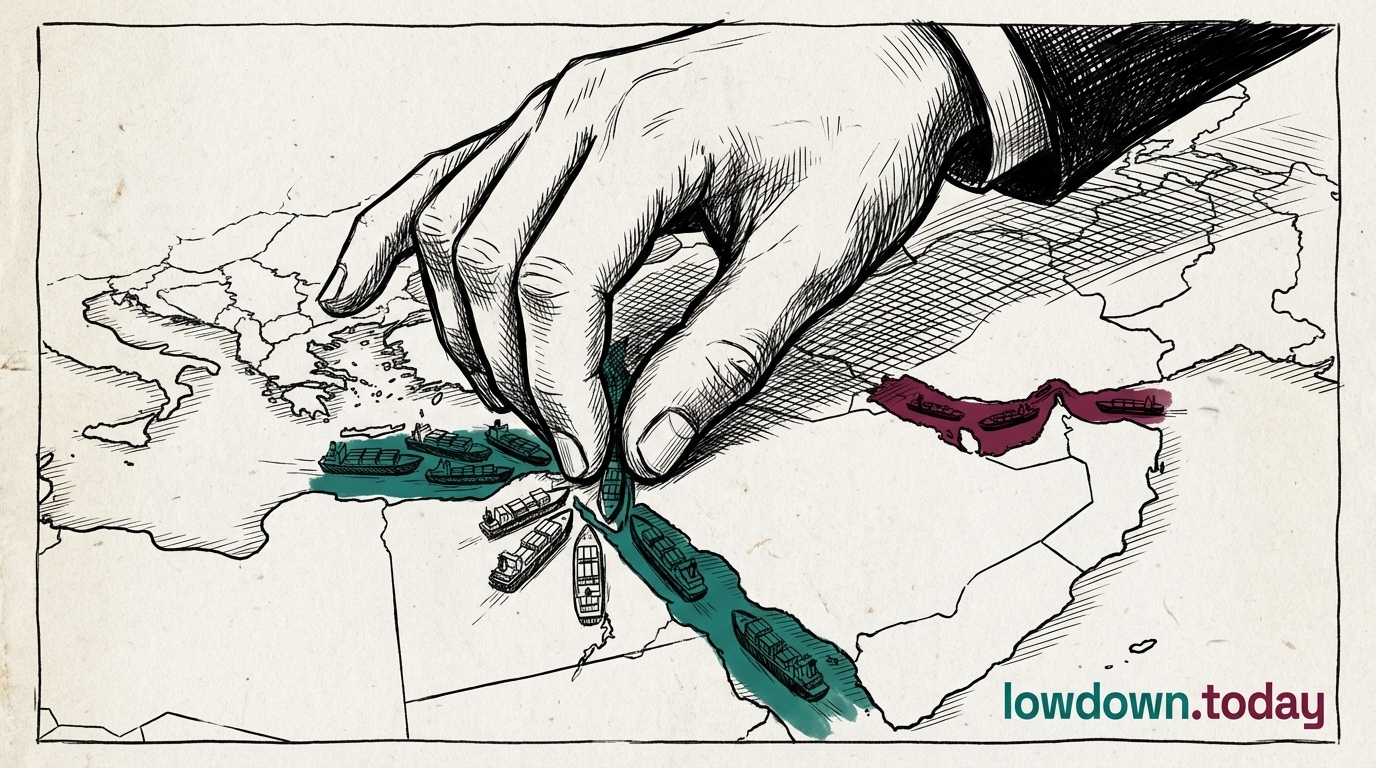
With Hormuz and Bab el-Mandeb both hostile at once, war-risk underwriters face their first dual-chokepoint pricing problem; the rerouting hedge that absorbed one closure is gone for Israeli-linked hulls. Any deal that reopens Hormuz without a Houthi stand-down clause delivers only partial shipping relief.
Russia and China
Russia and China
Russia and China met IAEA chief Grossi jointly in Geneva on 5 June to coordinate an advance blocking position against Washington's censure resolution, the first documented instance of proactive pre-session obstruction rather than reactive post-vote dissent. Beijing's move came four days after OFAC designated Shanghai Qianye Energy under Iran energy sanctions.
Saudi Arabia
Saudi Arabia
Saudi Arabia was left out of the emergency $4.01 billion Patriot waiver Qatar received on 2 May as its own PAC-3 stocks ran near-empty from intercepting Iranian salvoes over Aramco facilities. Riyadh is on a standard 18-month FMS queue behind a production line booked through 2030, with no equivalent priority to Qatar's Al Udeid basing role.
Houthis (Ansar Allah)
The Houthis declared a complete ban on Israeli Red Sea navigation on 8 June and struck Jaffa, their first attack on Israeli territory since April, seven days after the Tasnim authorisation to activate other fronts including Bab el-Mandeb. The declaration put both chokepoints under hostile authority simultaneously.
Iran
Iran
Iran agreed the 9 June mutual halt after the Mahshahr exchange and coordinated with Russia and China to block Washington's IAEA censure resolution, using the Board as a second front while the bilateral pause held on the military one. Tehran's acceptance of the Lebanon carve-out contradicts the linkage position it stated on 1 June.
Benjamin Netanyahu and the IDF
Israel struck the Karun Petrochemical plant at Mahshahr on 8 June over Trump's explicit objection, then agreed a halt with Iran the following day scoped on Israeli terms with Lebanon carved out. Netanyahu's posture is that the IDF will not accept Iranian missile factories as off-limits regardless of US diplomatic timelines.