Skip to content
You can now search across every topic, entity and event.What's new
Iran Conflict 2026
27MAR

Insurers hold the line on Hormuz risk

2 min read
14:13UTC

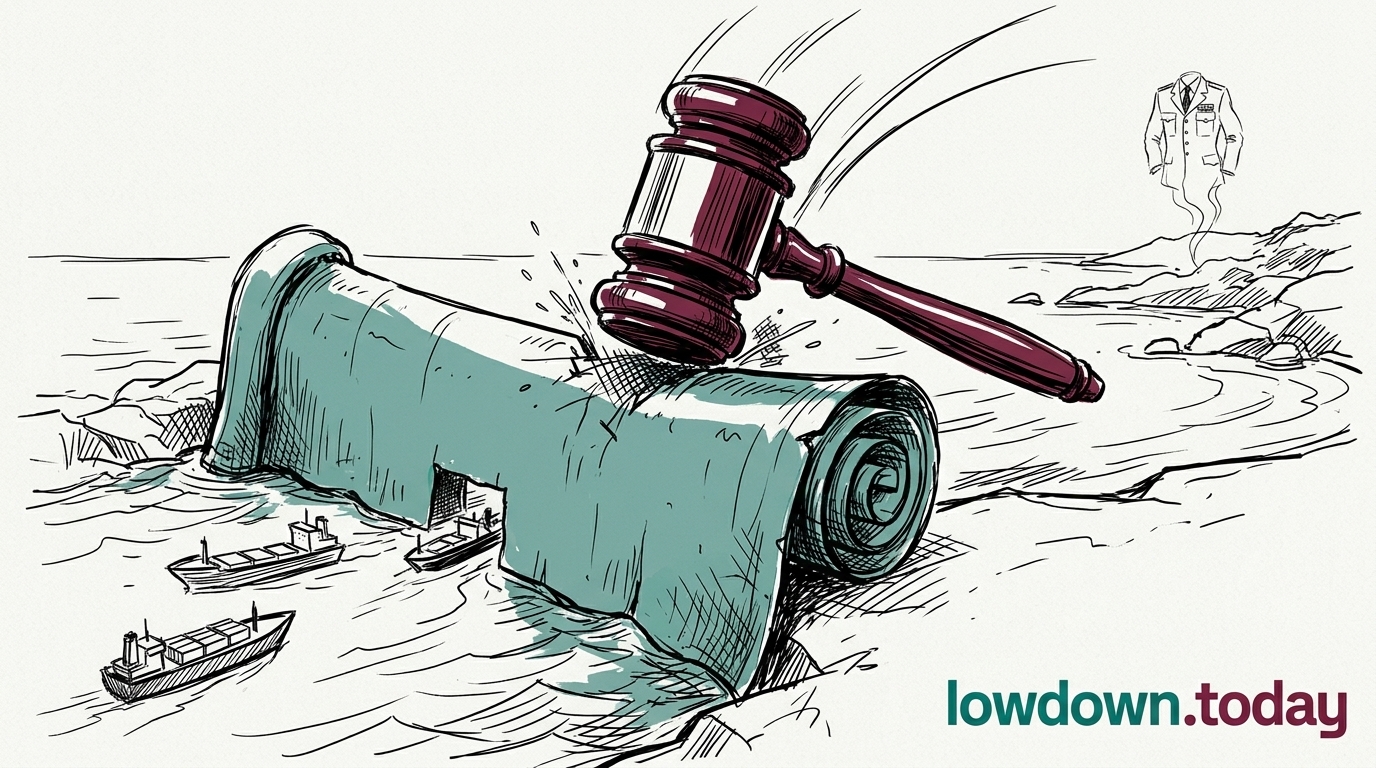
The International Group of P&I Clubs held its Hormuz war-risk exclusion in force through the entire shipping recovery, and now has a burning gas carrier off Limah to cite in keeping it.

ConflictAssessed
Key takeaway

One strike near Limah lets insurers keep the whole strait priced as a war zone.

The International Group of P&I (protection and indemnity) Clubs, a mutual association insuring roughly 90% of world merchant tonnage, kept its Hormuz war-risk exclusion in force through the whole recovery, even as London hull war-risk premiums fell to about 2% of a vessel's value 1. That figure is still around twenty times the pre-conflict baseline, so cover had cheapened without the strait ever being treated as safe.

Marine war cover in the Gulf runs through mutual pooling. The Group's clubs share losses above a retention, so no single club can quietly price one Gulf cargo back into Hormuz without the whole pool re-underwriting the strait. Owners had been carrying that risk themselves as traffic recovered ; now the clubs have a burning carrier off Limah to point to, and the decision to reopen or hold the exclusion falls on all of them at once rather than one underwriter at a time.

Deep Analysis

In plain English

Insurance companies that cover cargo ships, called P&I clubs, had kept a special exclusion in place for the Strait of Hormuz, meaning they would not pay out for war-related damage there even as day-to-day shipping picked up again. These insurers work together as a group and share big losses, so one company acting alone has no power to start covering the risky route again; they all have to agree. Now that a gas tanker has actually been hit, the case for keeping the exclusion in place got much easier for the whole group to make.

Deep Analysis
Root Causes

The International Group of P&I Clubs operates through mutual pooling: member clubs share catastrophic losses above a set retention, so any one club's decision to reopen Hormuz cover effectively commits the whole pool to shared exposure, which requires group-wide, not individual, agreement.

That structure means a single incident, like the Al Rekayyat fire, can reset the exclusion for every member simultaneously, even for clubs with no vessels anywhere near the strike, because the pooling mechanism does not distinguish between a club's own claims history and the group's collective risk.

What could happen next?
  • Consequence

    Continued exclusion keeps commercial insurance out of reach for most Hormuz transits, pushing owners toward self-insurance or state-backed guarantees like the underused US Development Finance Corporation facility.

First Reported In

Update #148 · Iran shoots the Hormuz route it rejected

The National· 7 Jul 2026
Read original
Causes and effects
This Event
Insurers hold the line on Hormuz risk
Mutual pooling means one hit reprices the strait for every owner, not just the cargo that was struck.
Different Perspectives
Oil traders
Oil traders
Sent Brent down 2.29 per cent to $98.38 a barrel on reports that mediation was reviving, moving the price on CENTCOM's quiet night rather than on Trump's same-day promise of a bigger operation with no deadline attached.
Iran
Iran
An Iranian official called the same mediation account completely misleading, denying it received any US proposal via Baghdad on the same day Iraq denied delivering one, leaving neither denial able to settle what actually passed between the two capitals.
Iraq
Iraq
Called groundless the New York Times account that its prime minister carried a US ceasefire proposal to Tehran, a denial that also protects Baghdad's effort to avoid becoming a party to a war fought by aircraft it does not control.
OHCHR
OHCHR
Recorded 17 civilian seafarer deaths since the war began, a population neither the Pentagon nor Iran's Health Ministry counts in its own tally, and called for urgent action on 6,000 crew stranded across roughly 400 vessels in the Strait of Hormuz.
Houthis
Houthis
Enforced the blockade on Saudi-linked shipping it declared on 20 July by hitting the NCC Masa and then an Aramco facility at Jazan, moving from radio warnings to strikes on land after four days without a confirmed hit.
Saudi Arabia
Saudi Arabia
Struck Houthi military sites near Hodeidah the same day the NCC Masa was hit, while its coalition spokesman insisted Hodeidah, Ras Issa and Salif all remain open to navigation. The distinction protects the ports Yemen's population depends on for food and fuel even while punishing the group behind the tanker strike.