Skip to content
Iran Conflict 2026
26MAR

Philippines declares energy emergency

1 min read
09:36UTC

Manila has 45 days of fuel left and may buy sanctioned Iranian or Venezuelan oil to survive.

ConflictAssessed
Key takeaway

The war's first non-belligerent economic casualty is a US treaty ally, creating a sanctions paradox Washington cannot resolve.

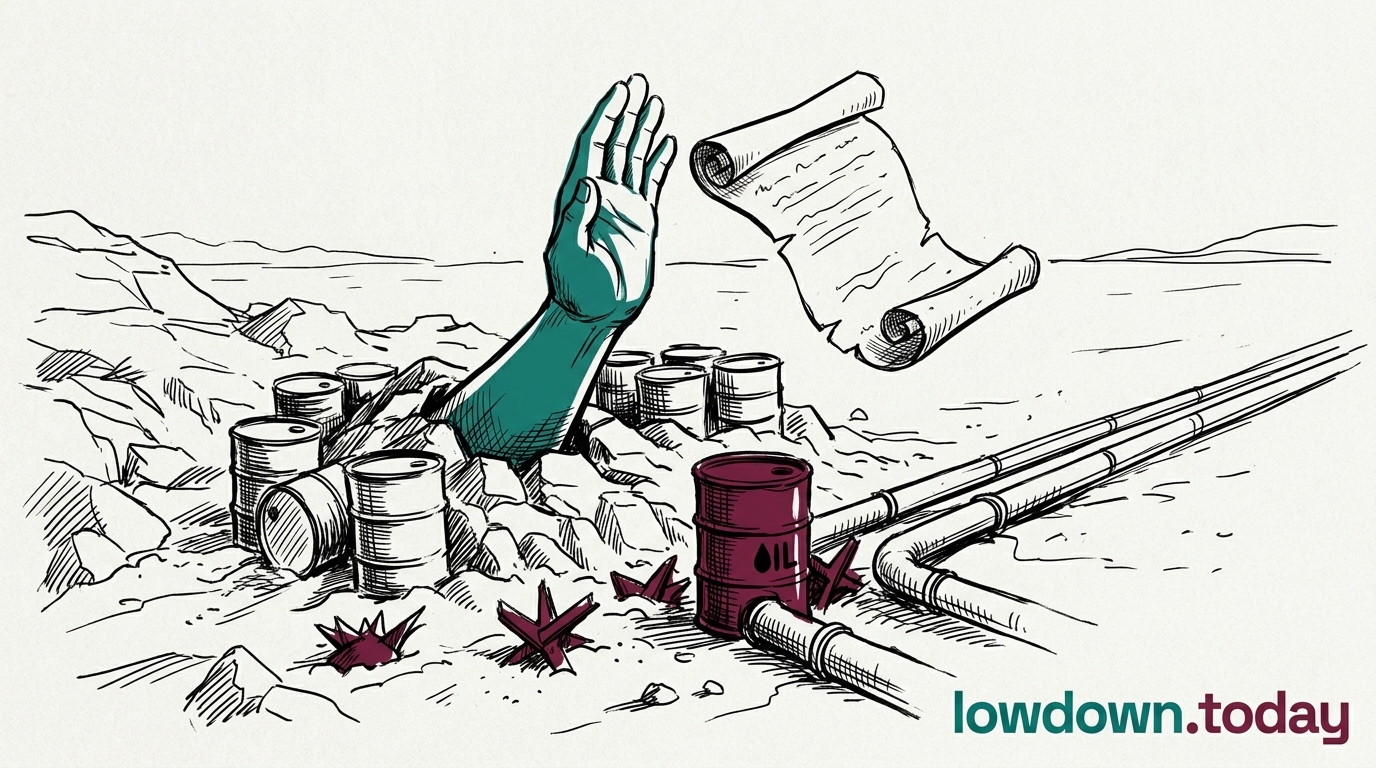
President Ferdinand Marcos Jr. declared a national energy emergency on Tuesday, making the Philippines the first country to invoke emergency powers over the Iran war 1. The Philippines has 45 days of fuel reserves remaining and imports 90% of its oil from the Middle East. The Strait of Hormuz closure has cut that supply line.

The emergency declaration gives Manila power to control fuel prices and fast-track alternative imports. Philippine Ambassador Jose Manuel Romualdez told Reuters: "All options are being considered," including Iranian and Venezuelan crude, both under US sanctions 2. The Philippines is a US mutual defence treaty ally. If it breaks Donald Trump's sanctions to keep its economy running, it does so because of an American war.

Sri Lanka has ordered 25% energy consumption cuts and switched off street lighting. Slovenia introduced fuel rationing, the first EU country to do so. South Korea is encouraging voluntary conservation. US gasoline hit $3.98 per gallon last week , up 36% from pre-war levels.


Deep Analysis

In plain English

A country with nothing to do with this war is about to run out of fuel because the fighting shut down the shipping lane that carries its oil. The Philippines has 45 days left and is considering buying from Iran or Venezuela, both under US sanctions. A US ally may have to break US rules to survive a US war.

What could happen next?
  • Consequence

    US sanctions framework may become unenforceable as allies seek exemptions

  • Risk

    Asian economies face cascading shutdowns if Hormuz stays closed

First Reported In

Update #48 · Iran rejects ceasefire; Kharg fortified

Rappler· 26 Mar 2026
Read original
Different Perspectives
South Korean financial markets
South Korea, which imports virtually all its crude oil, is absorbing the war's economic transmission most acutely among non-belligerents. The second KOSPI circuit breaker in four sessions — with Samsung down over 10% and SK Hynix down 12.3% — reflects an industrial economy unable to reprice energy costs that have risen 72% in ten days. The market response indicates Korean industry cannot sustain oil above $100 per barrel without margin compression across manufacturing, semiconductors, and shipping.
Migrant worker communities in the Gulf
The first confirmed civilian deaths in Saudi Arabia — one Indian and one Bangladeshi killed, twelve Bangladeshis wounded — fell on communities with no voice in the military decisions that placed them in harm's way. Migrant workers live near military installations because that housing is affordable, not by choice. Bangladesh and India face the dilemma of needing to protect nationals who cannot easily leave a war zone while depending on Gulf remittances that fund a substantial share of their domestic economies.
Azerbaijan — President Ilham Aliyev
Aliyev treats the Nakhchivan strikes as a direct act of war against Azerbaijani sovereignty, placing armed forces on full combat readiness and demanding an Iranian explanation. The response is calibrated to maximise international sympathy while stopping short of military retaliation — Baku cannot fight Iran alone and needs either Turkish or NATO backing to credibly deter further strikes.
Oil-importing nations (Japan, South Korea, India)
The Hormuz closure is an existential threat. Japan, South Korea, and India receive the majority of their crude through the strait — they will bear the heaviest economic cost of a war they had no part in.
Global South governments (Indonesia, Brazil, South Africa)
Neutrality was possible when the targets were military. 148 dead schoolgirls made it impossible — no government can explain that away to its own citizens.
Turkey
Turkey
Has absorbed three Iranian ballistic missile interceptions since 4 March without invoking NATO Article 5 consultation. Each incident narrows Ankara's political room to continue absorbing without Alliance-level response.



