Skip to content
You can now search across every topic, entity and event.What's new
Iran Conflict 2026
31JUL

Novak orders study of diesel quota cut

1 min read
09:24UTC

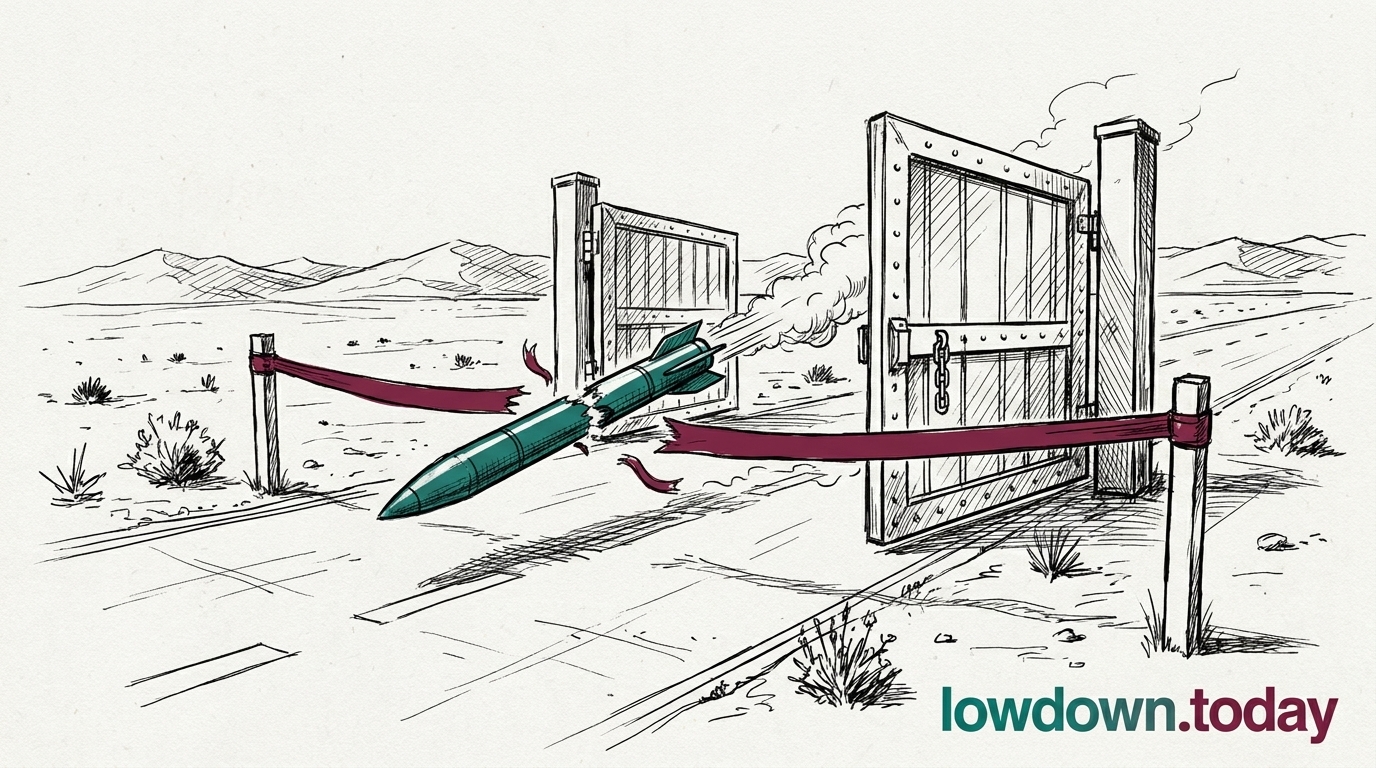
Alexander Novak instructed Russia's Federal Antimonopoly Service on 15 July to examine cutting the mandatory diesel exchange-sale quota to 10%.

ConflictDeveloping
Key takeaway

Two diesel rule changes in a week suggest Moscow is managing domestic supply week to week.

Deputy Prime Minister Alexander Novak instructed the Federal Antimonopoly Service on 15 July to study cutting the mandatory diesel exchange-sale quota to 10%, Vedomosti reported 1. Russian refiners are required to offer a set share of their diesel output through the domestic commodity exchange rather than selling it all under private contract, a rule intended to produce a visible reference price and keep supply available to independent buyers.

Lowering that share would leave refiners free to place more volume through direct contracts. The instruction is a request for analysis rather than a decision, and the Antimonopoly Service has not reported back.

It follows within a week of Novak's own announcement of Russia's first producer-binding diesel export ban . Both measures reach for the same lever from opposite ends: one restricts where fuel may go, the other loosens how it must be traded at home. Moscow is managing domestic fuel distribution through administrative instruments in quick succession, which is a sign of how closely the balance is being watched.


Deep Analysis

In plain English

Russia limits how much fuel producers must sell through a regulated domestic exchange rather than exporting it, as one of the tools it uses to manage fuel shortages at home. On 15 July, Deputy Prime Minister Alexander Novak ordered regulators to study cutting that mandatory quota for diesel from 15% to 10%, mirroring a similar cut already made for petrol. This is a domestic Russian fuel-supply story rather than an international oil-market one: it is about whether Russians can buy diesel at home, not about the price of Russian crude on world markets.

First Reported In

Update #24 · Fedorov sacked as the front stands still

GlobalSecurity.org· 19 Jul 2026
Read original
Causes and effects
This Event
Novak orders study of diesel quota cut
Moscow is adjusting the rules that decide how much diesel must be sold openly at home.
Different Perspectives
Shipping and insurance underwriters
Underwriters can price Houthi strikes because the group announces its targets, but an unclaimed drone at Damietta and a mandatory Iranian insurance scheme both deny them a pattern to price against. War-risk premiums are increasingly being set by the absence of a claimant, not the scale of the damage.
Jordan
Jordan
Azraq absorbed its fourth Iranian strike in seven weeks, again drawing no direct Jordanian retaliation, only an American one. Amman's exposure, hosting US basing without the Patriot density of Gulf allies, has not changed even as the war around it widens.
Houthi movement
Houthi movement
The Houthis' 20 July blockade of Saudi-linked shipping is the injury Riyadh's new 43-nation coalition directly answers, yet the group itself was never asked to join and remains outside every proposal on the table. Sanaa-aligned commentators call the coalition a paper reassurance for insurers rather than a deployable force.
Egypt's Cabinet
Egypt's Cabinet
Egypt confirmed the Damietta blaze was an attack, not an accident, on soil the war had never touched before. Cairo now faces an unclaimed threat to a facility supplying roughly 7% of its domestic gas, with no author to hold accountable and no pattern yet to defend against.
Oman
Oman
Muscat is running the only channel Iran will use, a voluntary Hormuz fee modelled on Malacca, but stayed out of Saudi Arabia's new naval coalition entirely. Oman's mediating leverage depends on treating Hormuz as shared and non-exclusive, the opposite of what Tehran is now demanding of it.
Iraq's Prime Minister
Al-Zaidi cancelled his first official Riyadh visit and convened the Coordination Framework, the coalition that keeps him in power and whose factions sit inside the PMF that Saudi jets just struck. He is caught between a five-year Saudi investment relationship and armed groups inside his own state he does not fully control.



