Skip to content
You can now search across every topic, entity and event.What's new
Iran Conflict 2026
23JUN

Satellite Blackout Erases 27 Days of War Evidence

2 min read
11:42UTC

The largest commercial satellite firm stopped publishing images of the conflict at US request. The blackout is retroactive to 9 March.

ConflictAssessed
Key takeaway

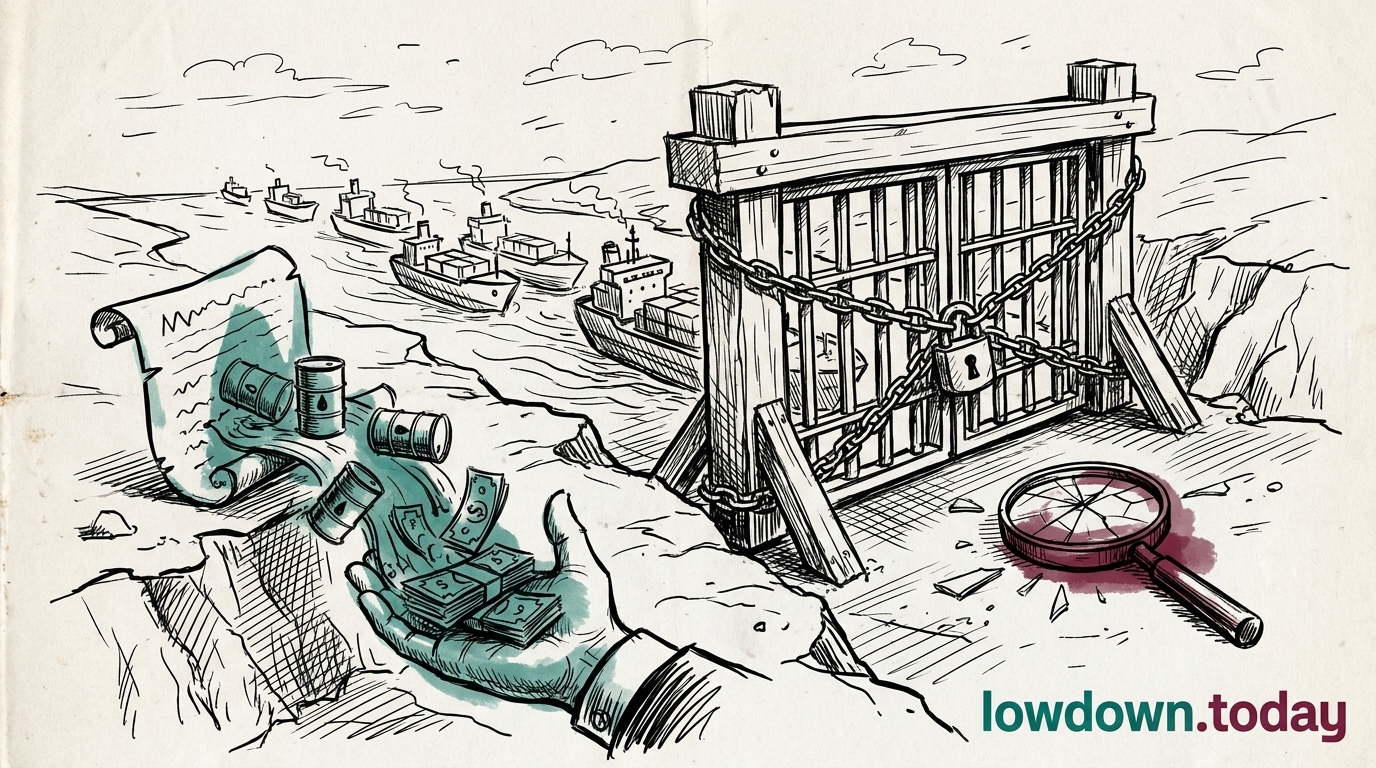
Every independent tool for verifying this war has been shut down at once.

Planet Labs, the world's largest commercial satellite imagery provider, announced on 5 April it will withhold all imagery over Iran and the broader conflict zone indefinitely, at US government request. The blackout is retroactive to 9 March, covering 27 days of active conflict documentation that can no longer be independently verified. 1 The legal authority for the request was not disclosed. Planet Labs expects the restriction to last until the war ends.

The retroactive window covers the period in which at least 30 university strikes, the fourth Bushehr incident, and the B1 bridge killing occurred. Human rights investigators documenting civilian casualties now work from a three-week evidence gap they cannot fill. Three weeks of already-published satellite assessments can no longer be updated or checked against new data.

This arrives alongside two other closures. The IAEA has no access to Iran's nuclear programme following the Majlis 221-0 suspension vote . Hengaw, the most credible independent casualty monitor, has been silent for days ; its last figure was 7,300 killed. Every independent verification mechanism has been eliminated simultaneously: satellite imagery by US government request, nuclear inspections by Iranian legislation, and the primary casualty counter by silence that nobody has explained. No party to the conflict has objected to the others' contributions to the darkness.


Deep Analysis

In plain English

Satellite companies like Planet Labs take thousands of photos of Earth every day. Journalists, researchers, and human rights groups use these photos to check whether governments are telling the truth about wars. The US government has told Planet Labs to stop sharing its photos of Iran. The blackout goes back to the 9th of March, which means even older photos that were already published can no longer be verified or updated. At the same time, Iran kicked out the UN nuclear inspectors, and the main group counting how many Iranians have been killed has gone silent. Every independent check on what is happening in this war has been removed, by different people, for different reasons, all at the same time.

Deep Analysis
Root Causes

Commercial satellite imagery changed the accountability architecture of modern conflict by giving non-state actors, journalists, and human rights bodies the same observational capability previously available only to governments. The Planet Labs blackout is the US government's first attempt to reassert control over that architecture during an active conflict it is party to.

The retroactive element suggests the US identified specific imagery published in the 9 March to 5 April window that was or could be used in legal proceedings or public accountability processes it wishes to foreclose. The undisclosed legal authority suggests the request was made under an existing national security instrument, likely a national security letter or a Commercial Remote Sensing Regulatory Affairs directive, neither of which requires public disclosure.

What could happen next?
  • Risk

    Future war crimes investigations of actions within the 9 March to 5 April window face a deliberate gap in the satellite evidence record that was created by US government request.

  • Precedent

    Retroactive commercial satellite imagery suppression during an active conflict sets a precedent other governments will cite in future conflicts.

First Reported In

Update #59 · Day 37: A Ground War Inside Iran That Nobody Will Name

Al Jazeera· 5 Apr 2026
Read original
Different Perspectives
Shipping and insurance industry
UKMTO counted about 20 US-facilitated Hormuz transits a day to 11 September against only 6 visible on AIS, with traffic still around 90% below the 138-a-day pre-war baseline. War-risk underwriters cannot price hulls they cannot see, or resolve whether the tanker El Gaia hit a mine, as Iran claims, or a missile and drone, as CENTCOM says.
European refiners
European refiners
European refiners, including Poland's Orlen, absorbed a roughly $26 gap between Dated Brent at $130.80 on 15 September and ICE Brent futures settling at $103.87 on 18 September, a spread that widened from $13.45 on 9 September rather than newly opening. Their futures hedges no longer cover what they now pay for physical barrels.
Saudi Arabia
Saudi Arabia
Saudi Aramco zeroed European term customers' October allocations and rerouted roughly 60 million barrels to Asia through Ras Tanura and Sohar, using Red Sea and Gulf terminal capacity built years ago to cut Hormuz exposure. Riyadh reallocated existing supply rather than negotiating a shortfall with Europe.
Qatar
Qatar
Qatar's energy minister Saad al-Kaabi told Bloomberg at the Qatar Economic Forum on 20 September that Bessent's two-year Hormuz-obsolescence forecast is wrong, and that Doha has deliberately built no bypass pipeline. Qatar's gas exports run through one waterway by choice, not oversight.
Iran (foreign ministry and Majlis)
Iran's foreign ministry and 130 Majlis deputies moved toward NPT withdrawal this week, with lawmaker Hossein-Ali Haji Deligani filing a triple-urgency bill on 20 September that Speaker Qalibaf has not yet scheduled. Tehran treats treaty membership as leverage still on the table, not yet spent.
Russia and China
Russia and China
Moscow and Beijing vetoed the Panel of Experts' renewal, maintaining Resolution 2231 lapsed in October 2025 and the 2025 snapback was never validly triggered, so the sanctions architecture the Panel enforces has no current legal standing. Both governments frame the veto as upholding law, not shielding Tehran.



