Skip to content
You can now search across every topic, entity and event.What's new
Iran Conflict 2026
21JUN

Remains found at Jordan's Muwaffaq Salti base

2 min read
17:51UTC

CENTCOM recovered unidentified remains at Muwaffaq Salti Air Base, two days after the attack that left one service member missing. Identification is ongoing and no name has been released.

ConflictDeveloping
Key takeaway

CENTCOM recovered remains at Muwaffaq Salti; identification is pending and no name has been released.

CENTCOM (US Central Command) recovered unidentified remains at the Muwaffaq Salti Air Base site in Jordan on 19 July, addressing the service member who had been missing since the attack there on 17 July . Verification is ongoing.

Muwaffaq Salti sits near Azraq in Jordan's eastern desert and hosts US and coalition air operations. Iranian missiles and drones have reached it repeatedly since 9 July , and the strike that opened this sequence produced the first American deaths on Jordanian soil.

CENTCOM described the remains as unidentified, and that qualifier is carrying the weight of the announcement. Forensic confirmation has to complete before next of kin are told and before a name enters the official tally, so the recovery closes the search without closing the question. Until it does, the missing service member is neither accounted for as dead nor still being looked for.

Amman has hosted the base's operations without publicly discussing what they have cost. Jordan is absorbing strikes aimed at forces it houses rather than forces it commands, and the recovery of remains on its territory tightens a position it has spent since 9 July trying not to describe out loud.


Deep Analysis

In plain English

CENTCOM has recovered remains at Muwaffaq Salti Air Base in Jordan, the site of a missile and drone attack on 17 July that killed two American service members and left one more listed as missing. The military has not yet said whether the remains belong to that missing service member; identification takes time and names are withheld until families are told first. This base, also called Azraq, has been struck by Iran more than once this war, so any recovery or repair work there happens while the site remains a live target.

Deep Analysis
Root Causes

The gap between attack and recovery reflects Azraq's status as an active combat zone rather than a secured site: recovery teams could not search freely for a service member listed missing until the base's immediate threat picture cleared, which took two days after the 17 July strike.

What could happen next?
  • Meaning

    Recovering remains moves the Azraq case from missing to under-identification, a firmer status than CENTCOM had given this specific case as of 18 July.

  • Risk

    Because Azraq has drawn repeat strike claims since 17 July, recovery and repair crews are operating on a base that has not been declared secure.

First Reported In

Update #157 · IAEA takes up Darkhovin as utilities become targets

Army Times· 20 Jul 2026
Read original
Different Perspectives
Hengaw
Hengaw
The Norway-based monitoring group reported the Urmia executions of Omid Behzad and Pouria Safvat, the only source to do so, consistent with its documented pattern of recording far more executions than the Iranian state acknowledges. Iran's government has not confirmed either execution.
Shipping and insurance underwriters
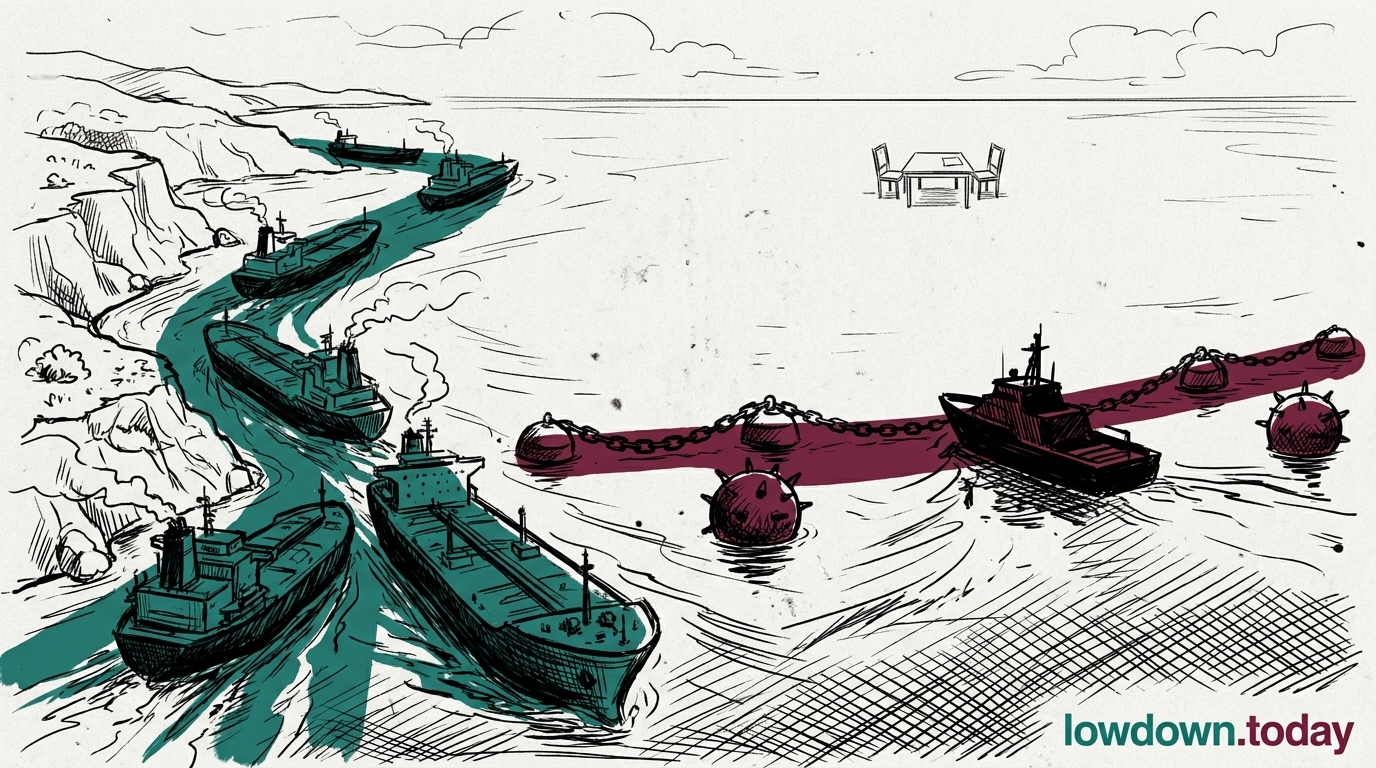
War-risk premiums price the Houthi campaign because the group announces its targets in advance, but a reopening Trump has promised without a published text gives underwriters no benchmark to reprice Hormuz cover against. Insurers want a text before they move rates, not a promise.
Houthi movement
Houthi movement
Spokesman Yahya Saree claimed strikes on two tankers in the Red Sea and Gulf of Aden on 5 August, only one of which UKMTO could confirm. The group's campaign against shipping continues on its own schedule, independent of any Hormuz arrangement further north.
Oman
Oman
Muscat has brokered the coordinates both Tehran and Washington's wire sources now describe differently, but has published no account of its own. Oman's position depends on treating Hormuz as a shared route, which is not what Iran is currently describing.
United States Central Command
CENTCOM raised its interdiction tally from 35 to 44 redirected vessels and disclosed its first boardings on 3 August, the day before Trump promised a reopening. The command's own enforcement record does not yet reflect the release the President has described.
Iran's Foreign Ministry
Spokesman Esmaeil Baghaei described the agreed Hormuz coordinates as a wholly new corridor under Iranian management, not a split of the existing route, days after his own deputy rejected Oman's lane proposal. Tehran wants the arrangement read as a change of ownership, not a compromise on access.



