Skip to content
Briefings are running a touch slower this week while we rebuild the foundations.See roadmap
Iran Conflict 2026
8JUN

Iran fires on 7 countries in retaliation

1 min read
09:58UTC

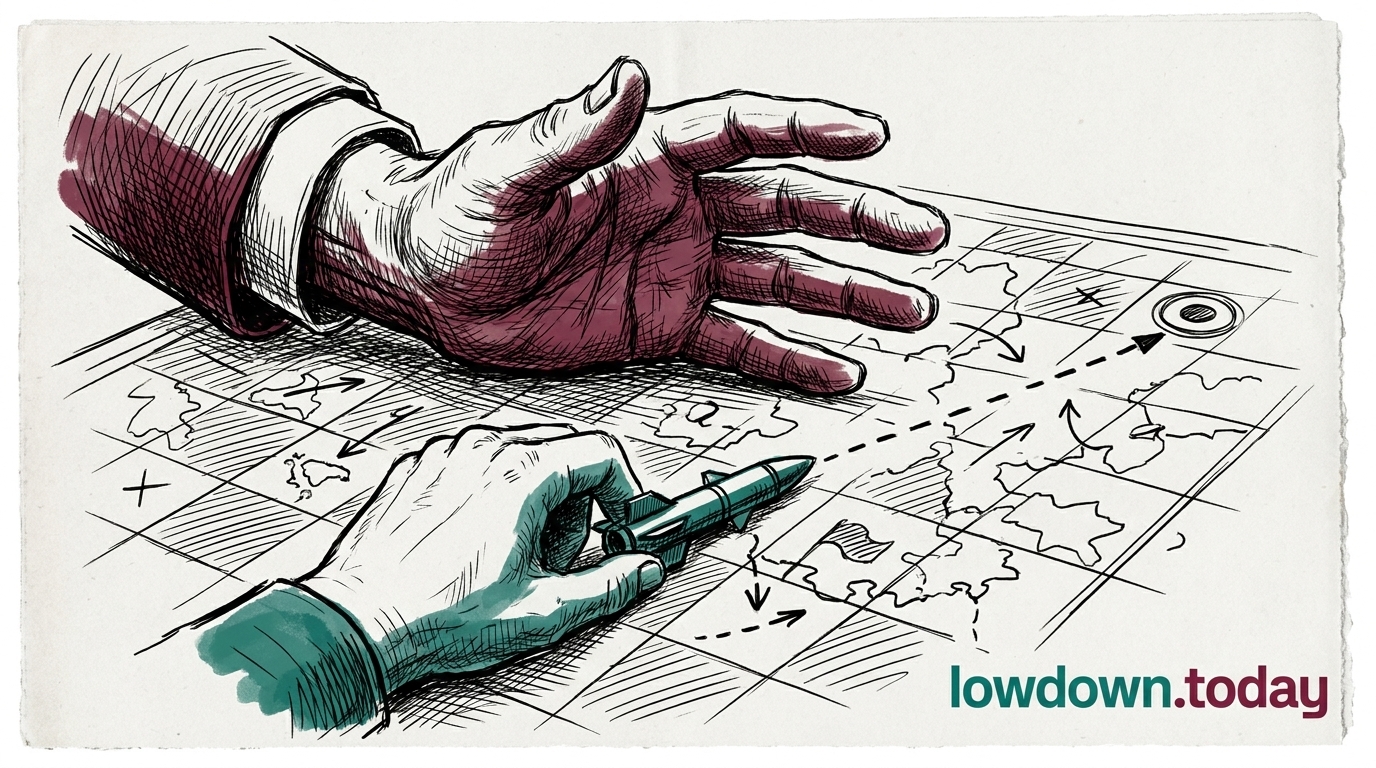
Iran fired dozens of ballistic missiles at Israel and at US military installations across seven countries on 28 February 2026 — the widest geographic spread of Iranian offensive missile use in history.

ConflictDeveloping
Key takeaway

Iran's direct ballistic missile response across seven countries ends proxy-mediated deterrence as Iran's default posture and creates immediate US political obligations to respond.

Iran's decision to retaliate directly — rather than routing its response entirely through proxy forces — marks a change from the posture Tehran maintained through 2024 and early 2025, when Hezbollah, the Houthis, and Iraqi militias were used to maintain plausible deniability. Direct ballistic missile strikes on US military bases across seven countries remove that deniability entirely and signal that Iran has concluded the era of calibrated, deniable escalation is over.

The seven-country targeting demonstrates a pre-positioned strike capability that had been mapped and planned well in advance of 28 February. Iran's ballistic missile arsenal — including Fattah, Kheibar Shekan, and Emad variants — has sufficient range to reach US bases across the Gulf and the Levant. The simultaneous nature of the strikes suggests launch windows were coordinated to prevent interception assets in one country from being redirected to defend another.

Direct Iranian retaliation also forecloses certain de-escalation paths that proxies left open. When Iran uses proxies, it retains the option of claiming non-involvement and negotiating a pause. A direct ballistic missile attack on US military installations in seven countries creates a legal and political obligation on the United States to respond, regardless of damage levels. The strike's geographic breadth makes any US non-response politically untenable.

Deep Analysis

Deep Analysis
Escalation

Seven-country targeting creates simultaneous political and military crises across the Gulf, Levant, and potentially wider region — each host country faces Iranian retaliation risk regardless of whether it sanctioned the original US strikes, generating pressure for US force withdrawal requests that would weaken US regional posture.

What could happen next?
  • Meaning

    Short term · Assessed
  • Meaning

    Short term · Assessed
  • Meaning

    Short term · Assessed
First Reported In

Update #2 · Five cities struck on opening night

Institute for the Study of War· 28 Feb 2026
Read original
Different Perspectives
Bahrain / Gulf partners
Bahrain's PAC-3 interceptor magazine sits at 87% depletion after absorbing IRGC salvos aimed at US bases; no resupply is scheduled before 2027, concentrating the intercept burden on US assets and Israeli Iron Dome and Arrow-3.
IAEA / Vienna process
IAEA officials cited proliferation concerns over 440.9 kg of HEU unaccounted for after 97 days without inspector access; the Board session that opened 8 June cannot retroactively close the evidentiary gap its own resolution documents.
China
China
China absorbed the Shanghai Qianye designation by OFAC and opposes censure at the IAEA Board, arguing the verification gap was created by strikes rather than Iranian non-compliance, a framing it shares with Russia to protect the non-Western bloc's Board votes.
Russia
Russia
Putin reaffirmed at SPIEF on 6 June his offer to hold Iran's uranium stockpile as custodian, a proposal the IAEA's 97-day verification gap now renders undeliverable: no one can transfer or confirm a stockpile that has not been inspected.
United States / Trump administration
Trump publicly asked Netanyahu not to retaliate and described a deal as 95% done; Rubio then acknowledged enrichment terms could take months. The 24-hour gap between the request and the Mahshahr strike removes the credible-restraint argument from US diplomatic leverage with Tehran.
Israel / Netanyahu government
Netanyahu struck the Mahshahr complex and missile sites inside Iran within 24 hours of Trump's public no-retaliation request, a second kinetic override of US counsel that confirms Israel will not allow Tehran to dictate the terms of the exchange.