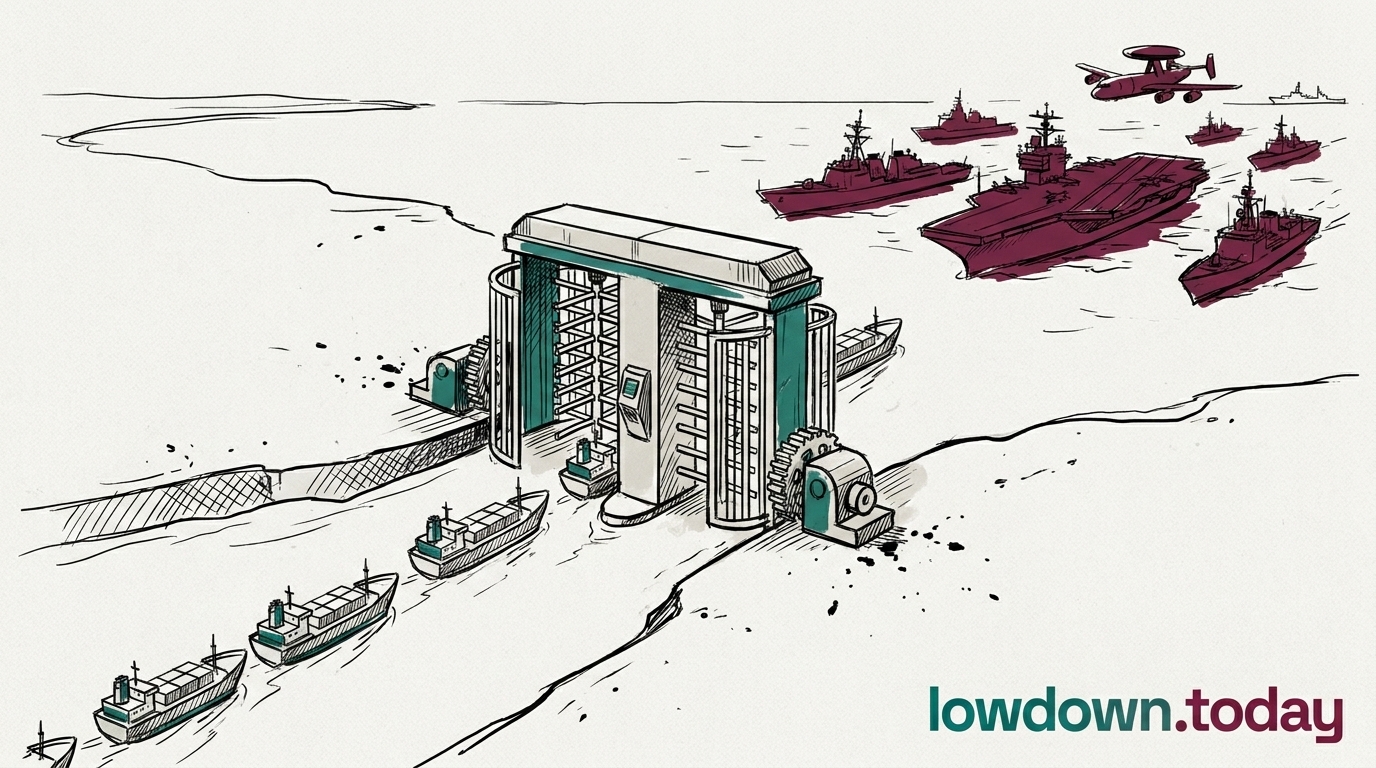
The War Powers Resolution 30-day wind-down provision expires on 1 June 2026, CBS News confirmed. Trump notified Congress of Operation Epic Fury on 2 March; the 60-day clock under the 1973 statute reached the 1 May deadline; the WPR's additional 30-day wind-down for orderly withdrawal of forces runs out two weeks after the present briefing1.
Secretary of War Pete Hegseth told senators in mid-May that the ceasefire 'pauses or stops' the 60-day clock. The 1973 text contains no such provision, CBS News noted, and the position was deployed in the same testimony where Hegseth's Article 2 argument destroyed the rationale Senator Lisa Murkowski had been building for her draft Iran AUMF (Authorisation for Use of Military Force). Seven war-powers votes have failed during the conflict; Murkowski's defection to support the seventh resolution (49-50 on 13 May) was the first time a Republican crossed. Her AUMF remains unfiled.
The 1 June expiry therefore arrives without a Senate vehicle behind it. If The Administration treats the wind-down provision the same way it has treated the 60-day clock, the war continues with no statutory authorisation Congress has voted to grant, defended by an interpretation the WPR text does not authorise. The institutional cliff is procedurally identical to the one Murkowski crossed on, only this time the deadline is the statute's own and not a privileged resolution. Whether an eighth war-powers vote materialises before 1 June, or whether the AUMF leaves Murkowski's drawer, is now the binding question for Congress's role in the conflict.


