Skip to content
You can now search across every topic, entity and event.What's new
European Tech Sovereignty
18JUN

US crude waiver lapses, no successor

2 min read
09:28UTC

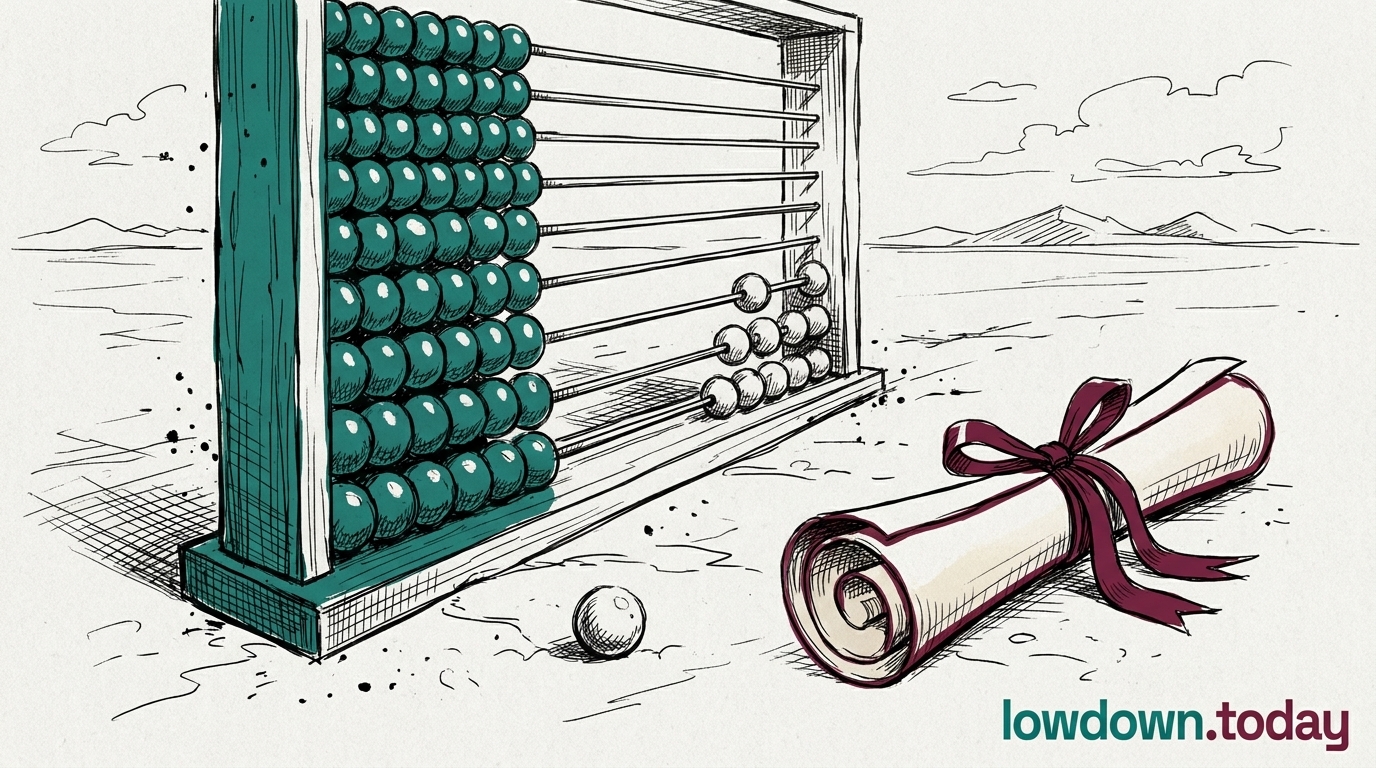
The US General License 134C crude waiver expired on 17 June with no successor issued, and the gap has now run 26 days, the longest of the war.

TechnologyAssessed
Key takeaway

The US crude waiver lapsed on 17 June with no successor, the gap now 26 days and counting.

The US crude-oil waiver known as General License 134C expired on 17 June with no replacement issued since, according to S&P Global 1. The waiver ran as three consecutive thirty-day licences that softened the sanctions hit on buyers of Russian crude; as of 13 July the gap has reached 26 days, the longest of the war, against the fifteen-day gap recorded on 1 July .

OFAC, the US Treasury's Office of Foreign Assets Control, has announced nothing. The lapse is read from the absence of any new licence across OFAC's recent-actions listings and the specialist trackers that logged all three prior iterations within a day, not from any Treasury decision to let it fall 2. It should not be confused with the separate Lukoil retail-sale licence that expires on 25 July.

The crude cover fell away in the same fortnight the diesel export ban took effect, narrowing Russia's fiscal room just as the physical fuel squeeze turned hardest.


Deep Analysis

In plain English

OFAC is the part of the US Treasury that decides which sanctions exemptions apply to Russian oil. Three times this year it issued a short licence letting buyers keep purchasing Russian crude that was loaded before a cut-off date, each time renewing it within a day or two of the old one expiring. This time, the licence expired on 17 June and, as of 13 July, 26 days have passed with no replacement. This matters because that 26-day gap is far longer than any previous pause, and it has now gone unrenewed for longer than the licence itself normally lasts. Buyers who relied on that legal cover for Russian crude cargoes are operating without it.

Deep Analysis
Root Causes

OFAC administers the crude waiver as a discretionary licence renewed in short windows rather than a standing exemption, which means silence is itself an active policy outcome: without an affirmative renewal, the underlying sanctions apply in full by default.

The 30-day bridge structure was built for administrative flexibility, but it also means a single missed renewal cycle, if it becomes two, functions as a de facto termination without Treasury having to announce one.

Escalation

Direction: the gap has widened from 15 days (as of 1 July) to 26 days (as of 13 July) with no successor licence and no public Treasury statement of intent, consistent with a deliberate wind-down rather than an administrative delay.

What could happen next?
  • Consequence

    Buyers still routing Russian crude purchases through US-linked insurance or banking lose their legal cover for cargoes loaded after 17 June until a successor licence, if any, is issued.

First Reported In

Update #23 · Moscow rations diesel as US cover lapses

S&P Global· 13 Jul 2026
Read original
Different Perspectives
Germany (Bundeskartellamt)
Germany's Bundeskartellamt declined to open antitrust proceedings against SAP, the company disclosed on 30 July, in the same fortnight the Commission's EUR 890m DMA fine against Google approached its 21 September compliance deadline. A German software champion cleared domestic scrutiny while an American platform faces enforcement, in the same regulatory season.
United States (USTR)
Washington's Section 301 investigation into EU digital enforcement, opened 24 July, had produced no Federal Register docket as of 4 August, even as Dell and 1,008 Nvidia GB200 NVL4 accelerators sit inside the EU's own sovereignty-branded MeluXina-AI build. The absent docket and the American hardware inside a European sovereignty project pull the same relationship in opposite directions.
UK government
UK government
The UK's Sovereign AI vehicle took a nine-figure equity stake in chip startup OLIX on 30 July, its fifth deal since April, while the Cabinet Office's 27 July fact sheet named no accounting officer for the GBP 1.1bn AI Hardware Plan. Whitehall is buying equity rather than capacity, inside a department mid-rename to Business, Innovation, Science and Trade.
Luxembourg government
Luxembourg is covering half of the newly disclosed EUR 80m contract value for MeluXina-AI, EuroHPC's Grand Duchy build, with Dell Technologies confirmed as supplying 1,008 Nvidia GB200 NVL4 accelerators, a hardware detail absent from the earlier project description. The disclosure means Luxembourg's national co-funding buys a facility built on American silicon under a European ownership badge.
European Commission
European Commission
The Commission activated its Article 101 fining power on 2 August while the Article 70 register it must keep current still showed a 26 September 2025 footer and blank rows for Denmark, Finland and Hungary. It issued no comment, though Article 70 puts the publication duty on Brussels, not member states.
China's Ministry of Commerce
Spokesperson He Yadong said on 16 July that Beijing and the Netherlands should let firms settle the Nexperia dispute through consultation, after a Dutch ministerial visit to Beijing. The conciliatory tone contrasts with the confrontational US trade response to the same fortnight's DMA enforcement.



