Hengaw, the Norway-based Kurdish human rights monitor, documented the detention of lawyer Bahar Sahraeian at 22:05 on Sunday 17 May while she was performing legal duties in Shiraz. A 22:05 detention catches a lawyer in working hours under Iran's calendar, where post-9pm court business is routine for defence counsel handling political files in Fars province. The detention sits inside a documented escalation against Iranian defence lawyers and rights defenders. Hengaw separately recorded two further detentions on 16-17 May: Sabah Bevara, 'violently arrested' by intelligence forces in Piranshahr, and a second case in Sanandaj. Those followed the human rights monitor's 4 May confirmation that Iran has sentenced at least 30 detainees from the January 2026 protests to death and secretly executed 13 of them. The pattern targets the legal infrastructure that would normally channel families through court appeals; remove the lawyers, and the death-penalty pipeline runs unopposed. Shiraz, the provincial capital of Fars, has been the venue for two of the most contested capital cases of the post-January protest wave, including the April 2026 execution of Sasan Azadvar at Dastgerd Prison. Sahraeian's case profile from her bar association registration covers political-prisoner appellate work, which means her detention removes a known appellate channel rather than a routine general practitioner. Iran's bar associations have lost their independent licensing authority under sequential 2022-2024 statutes that subordinated lawyer registration to the judiciary itself; a lawyer detained while performing court duties cannot expect bar-association representation in custody. That structural fact is what makes detention while-on-duty a more aggressive enforcement signal than detention at home. The state is signalling to other defence counsel in Shiraz that representing protest detainees carries direct custodial risk during, not after, the work itself.
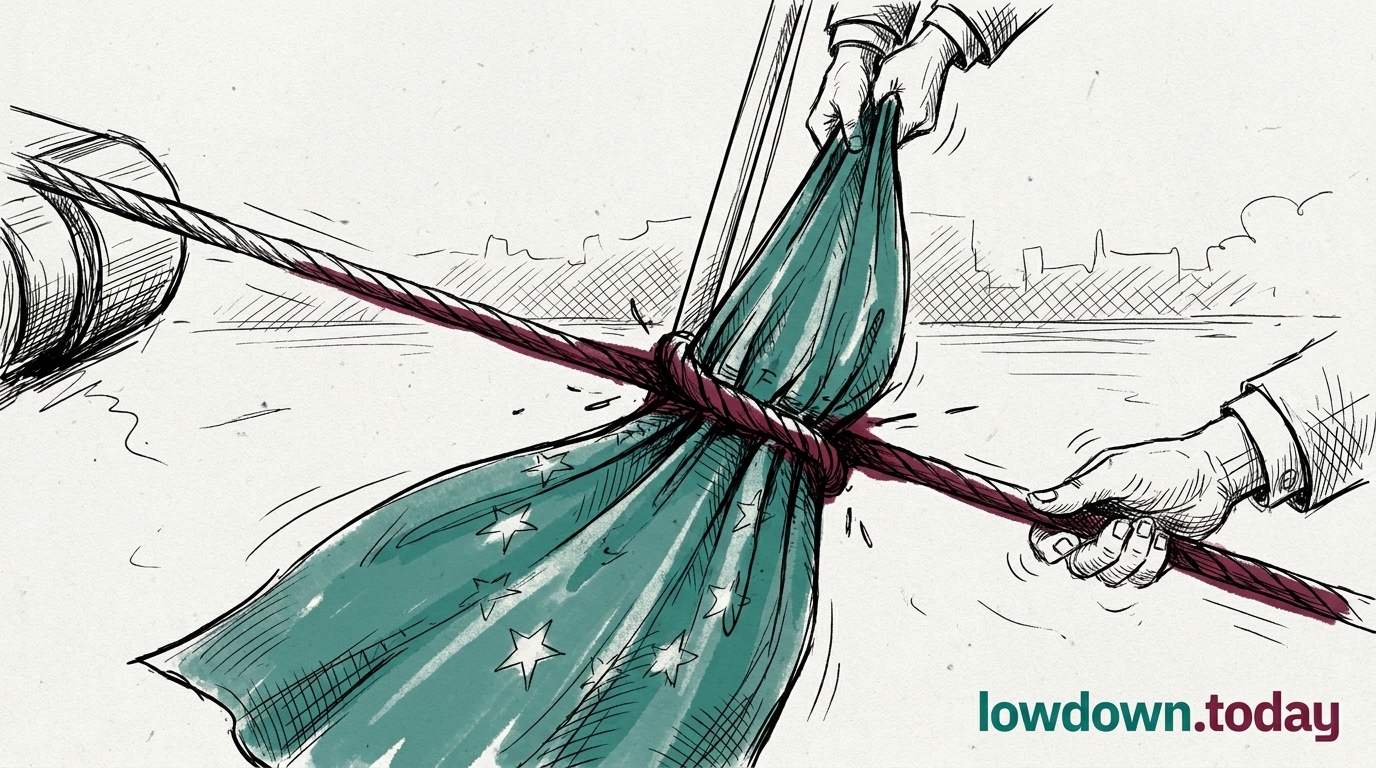
Hengaw documents Shiraz lawyer detention mid-duty
Hengaw documented the detention of Shiraz lawyer Bahar Sahraeian at 22:05 on Sunday 17 May while she was performing legal duties, marking renewed pressure on Iran's defence bar.
Detaining lawyer Bahar Sahraeian mid-duty in Shiraz removes another appellate channel for January protest detainees facing execution.
Deep Analysis
In Iran, lawyers who defend people accused of national security crimes are increasingly being arrested themselves. Bahar Sahraeian, a lawyer in Shiraz, was detained at 10 pm on 17 May while she was on duty performing legal work. The Kurdish human rights organisation Hengaw documented the case. This matters because when lawyers cannot safely defend clients, political detainees have no meaningful access to justice. It is a sign that Iran's government is using the war as cover to further suppress internal dissent, the classic pattern of wartime authoritarian tightening.
- Risk
Systematic detention of defence lawyers will accelerate the collapse of Iran's formal legal-aid infrastructure for political cases, leaving detainees with no representation and reducing the international community's ability to monitor case outcomes.
- Precedent
Criminalising legal representation during wartime, through security legislation rather than emergency decrees, becomes a model other authoritarian governments can adopt with lower political cost than formal suspension of the right to counsel.
Update #101 · Barakah hit, Trump posts, Italy sends minesweepers





