Skip to content
You can now search across every topic, entity and event.What's new
European Oil Markets
29MAY

Royal Navy to board sanctioned tankers

2 min read
14:36UTC

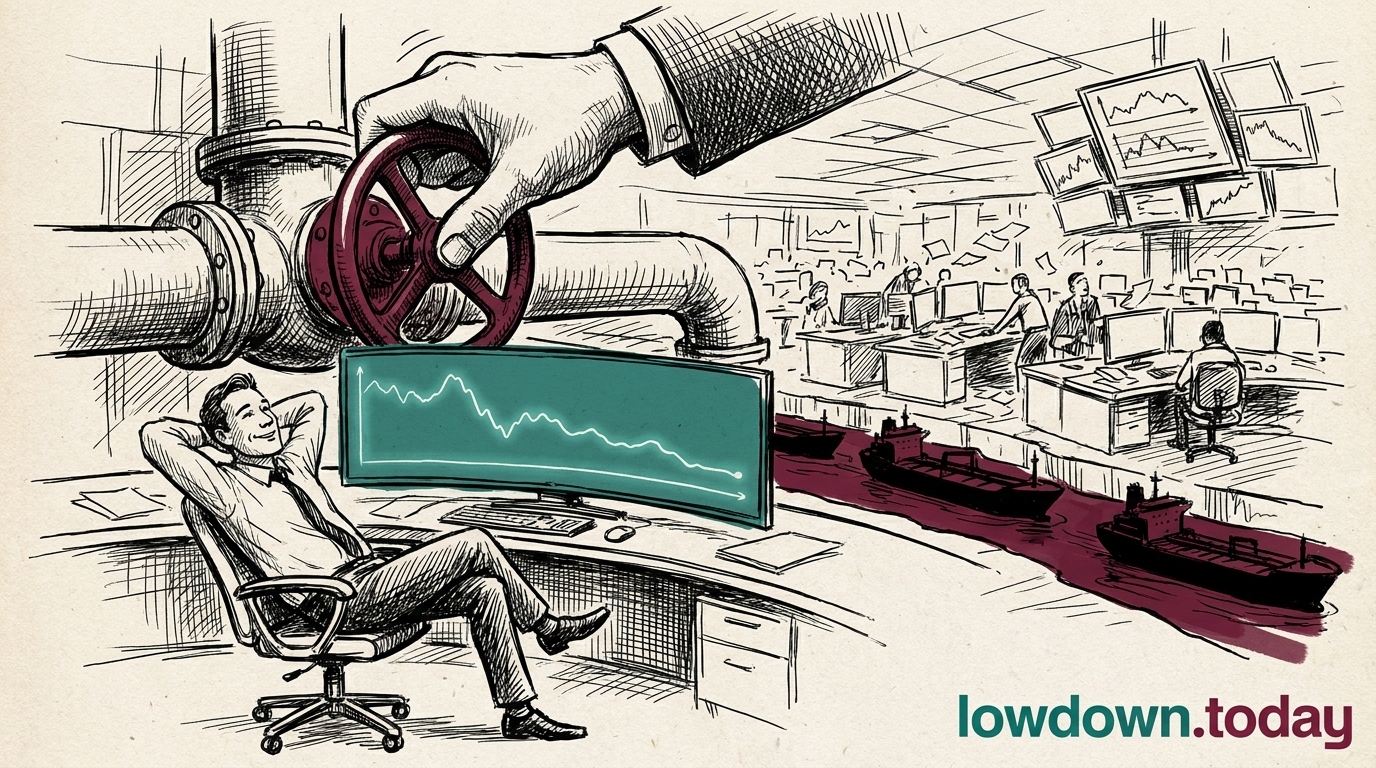
Britain authorised naval interdiction of sanctioned Russian tankers in UK waters, converting a 34-kilometre strait into the most enforceable maritime sanction of the war.

EconomicAssessed
Key takeaway

Britain converted a geographic chokepoint into the most enforceable maritime sanction of the war.

Keir Starmer announced at the JEF summit in Helsinki on 26 March that the Royal Navy is authorised to board and interdict sanctioned shadow fleet vessels in British territorial waters 1. The English Channel is now effectively closed to the more than 600 tankers sanctioned by the EU, UK, and US combined 2.

This is the most aggressive European enforcement action against Russia's oil revenue infrastructure since the war began. Previous seizures of individual vessels, the Ethera in Belgian waters , the Caffa and Sea Owl I off Sweden , were opportunistic. Channel interdiction is structural: it forces sanctioned tankers to circumnavigate Britain, adding over 2,000 nautical miles and several days to each voyage.

For shadow fleet operators, that means tens of thousands of dollars in extra fuel and crew costs per trip, eroding the margin between sanctioned-price oil and market price. The Channel's shallow, narrow waters (34 kilometres at Dover) make boarding operationally straightforward compared to open-ocean enforcement. Shadow fleet vessels are typically older, under-insured, and crewed by mariners with limited consular protection. Geography and legal vulnerability combine to make this chokepoint uniquely enforceable.

The EU had already signalled a shift from chasing individual ships to targeting operators, brokers, and registries . Britain's naval enforcement adds a physical barrier to that administrative squeeze. Denmark controls the only alternative short route through the Danish Straits; if Copenhagen follows London's lead, the last short northern European passage for shadow fleet traffic closes.


Deep Analysis

In plain English

Russia earns billions selling oil to fund its war. It uses a 'shadow fleet' of ageing, poorly insured tankers — over 600 ships — to move oil around Western sanctions. The English Channel at Dover is only 34 kilometres wide. Britain has now told its navy to stop and board any sanctioned Russian tankers using that route. This forces those ships to sail around Britain instead, adding several days and thousands of pounds per trip. The goal is to make sanctions evasion unprofitable, not just inconvenient.

Deep Analysis
Root Causes

The shadow fleet problem has three structural roots.

Western sanctions created a price cap mechanism but not an enforcement mechanism. Ships can lie about cargo origins, use ship-to-ship transfers, and reflag to evade detection. Windward's data shows Sovcomflot has reflagged 56% of its fleet to Russia's own registry, removing Lloyd's oversight.

Insurance markets withdrew from shadow fleet vessels after sanctions, but the vessels found alternative cover in India, the UAE, and Russia itself — degraded but functional.

The Channel interdiction addresses the geography but not the ownership structure. Until flag state accountability is enforced globally — including on India and the UAE — the shadow fleet can route around European chokepoints.

First Reported In

Update #8 · Pentagon diverts funds; 948 drones fired

UK Government· 27 Mar 2026
Read original
Different Perspectives
Indian refiners
Indian refiners
Indian refiners kept lifting discounted Urals as the India/Baltic price split widened past $9-10 a barrel, a gap that only grows as GL X1's Iranian wind-down cuts an alternative discounted grade off the market by 17 July. Cheaper Russian feedstock is being locked in while it lasts.
Chinese refiners
Chinese refiners
Chinese refiners gain leverage as the Urals-Brent discount widens, since Beijing's state buyers already source discounted Russian barrels near the fiscal floor unaffected by Western insurance costs. A wider discount, if it holds past 23 July, lets them lock in cheaper term contracts regardless of the cap's outcome.
US money managers (CFTC-tracked)
Managed money trimmed WTI net length into the rally, positioning that reflects doubt the Hormuz premium survives without freight or war-risk confirmation. The Brent-WTI spread widening almost entirely on the Brent leg supports that scepticism about a broad-based repricing.
OPEC+ (Saudi-led subgroup)
Saudi Arabia is defending market share through a fourth straight 188kbd August hike even as OPEC's own July MOMR cut 2026 demand growth for the fourth consecutive month. At a $108-111 fiscal breakeven, every added barrel costs Riyadh revenue it cannot recoup, so the hike reads as a positioning signal, not a demand bet.
Greek shipping registries
Greece, backed by Cyprus and Malta, is pushing a three-month cap-freeze compromise against the Commission's freeze to January 2027 ahead of the 23 July vote. Athens' and Valletta's combined tanker registrations mean a shorter review gives their insurers more frequent chances to reprice risk on Russian cargoes.
Russia (Deputy PM Alexander Novak)
Novak extended the diesel export restriction to producers on 8 July, the first producer-binding curb of the war, protecting the domestic pump price ahead of any refinery repair timeline. Urals still trades below Russia's $59 budget floor even as Brent gained, so the ban trades export revenue for fiscal stability at home.