Skip to content
You can now search across every topic, entity and event.What's new
European Energy Markets
23JUL

VNU replaces ARENH; French industrial pricing shifts

3 min read
19:31UTC

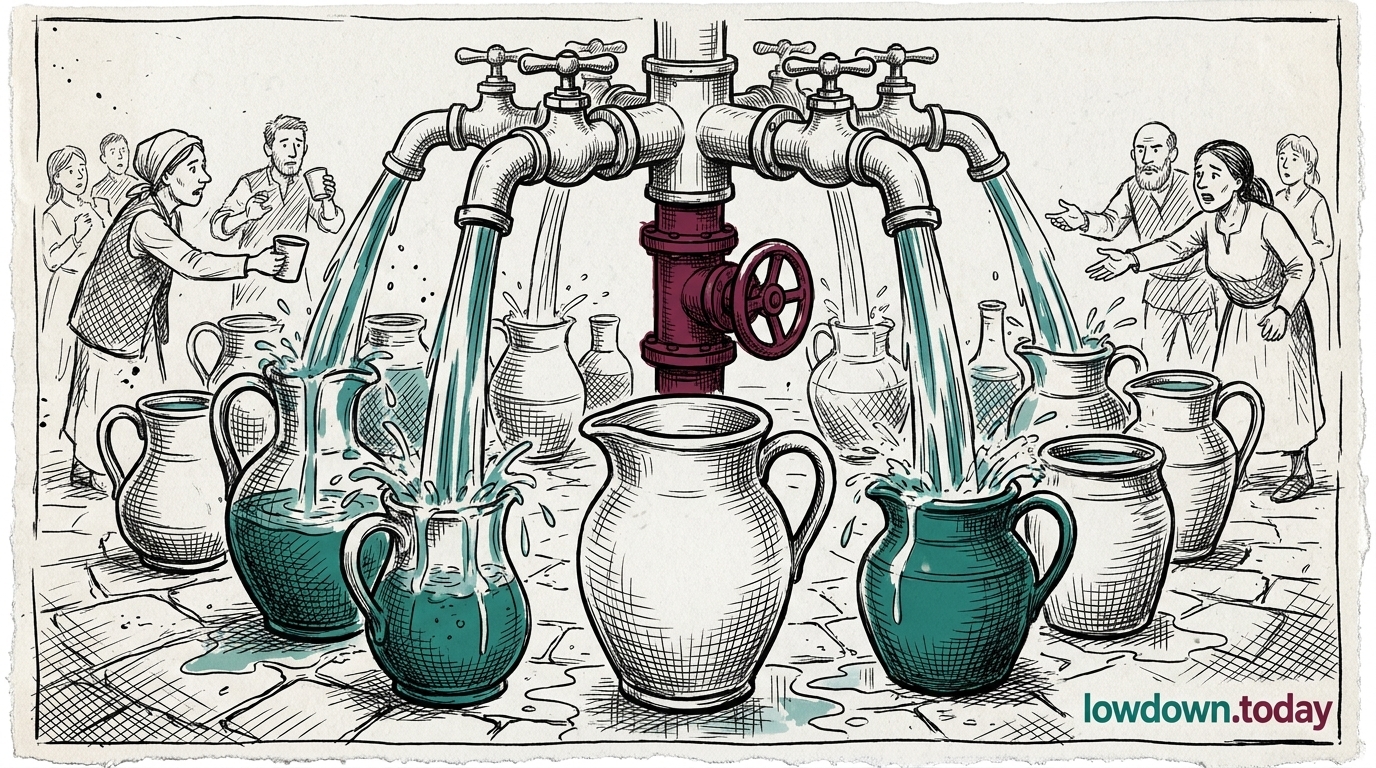
The VNU (Vente Nucleaire Universelle) mechanism replaced ARENH from 1 January 2026, ending fixed-price regulated nuclear access for French industrial consumers and shifting them to market-linked pricing.

EconomicDeveloping
Key takeaway

VNU exposes French industrial consumers to market-linked nuclear pricing, changing demand elasticity.

The VNU (Vente Nucleaire Universelle) mechanism replaced ARENH from 1 January 2026, administered by CRE. Under ARENH, French industrial consumers had access to EDF nuclear power at a regulated fixed price. Under VNU, pricing is market-linked, which means industrial offtakers are now exposed to the same power price moves as the rest of the market.

Continental power spread models have not yet incorporated the change. Under ARENH, French industrial demand was price-inelastic to power market movements because the regulated tariff insulated consumers from spot volatility. VNU strips that insulation: industrial offtakers now face the same spot exposure as unregulated buyers. If power prices rise during periods of nuclear scarcity (the September Flamanville-3 overhaul removes 1.6 GW ), French industrial consumers face the full market price for the first time, which could alter demand behaviour and push some load towards gas self-generation.

VNU took effect five months before the heatwave tested French nuclear export capacity against domestic cooling demand. EDF holds 350-370 TWh full-year nuclear guidance, but the September overhaul and summer cooling loads compress the surplus available for both domestic industry and cross-border exports to Germany. Industrial consumers who previously relied on ARENH's fixed price as a cost floor must now hedge against a market they had not participated in directly.


Deep Analysis

In plain English

Until the end of 2025, French factories could buy nuclear electricity at a fixed cheap price of EUR 42 per megawatt-hour through a scheme called ARENH, which was like a government-set discount. From January 2026, that discount is gone. Factories now pay a market-linked price set by CRE at EUR 65.90/MWh, which is 57% higher than the old fixed price. This affects French industrial electricity costs directly and, combined with high gas prices, is putting pressure on the same factories that are already running below full capacity.

What could happen next?
  • Consequence

    French industrial electricity costs have risen approximately 57% at the wholesale level with the ARENH-to-VNU transition (EUR 42/MWh to EUR 65.90/MWh CRE reference price), compounding the gas cost burden for facilities with high electricity intensity such as aluminium smelters and chlorine producers.

First Reported In

Update #13 · Storage on track by 45 GWh; one outage away

C&EN· 29 May 2026
Read original
Different Perspectives
French industrial power consumers
France's day-ahead discount to Germany has nearly closed as TTF and EUA rise together on both sides of the border, eroding the arbitrage French industry relied on through the summer. A standing negative spark removes the German demand buffer that kept that spread wide.
TTF trading desks
TTF trading desks
Desks are reading the inversion as an injection-arbitrage trade: buy TTF at EUR 62.4/MWh now, accept the near-term loss on the spread, and sell into the winter strip once caverns are forced back into the market. The 0.8 GWh/day German print makes that trade increasingly asymmetric.
Oxford Institute for Energy Studies
Two straight sessions of negative clean spark spread confirm gas has stopped setting German power prices cleanly; CCGT dispatch now follows the spread's sign, not storage need. Caverns quitting the prompt bid on 21 July is that mechanism working exactly as the structural read predicts.
European Commission
European Commission
State-aid approval for StromVKG has not been granted, a status Bundesnetzagentur's own scheme page confirms, and Brussels was not consulted before the auction opened. Every award from the 8 September deadline stays exposed to a formal proceeding or clawback once the Commission rules.
Bundesnetzagentur
Bundesnetzagentur
Bundesnetzagentur opened the first 4.5 GW StromVKG capacity auction on 21 July, bids due 8 September, without waiting for EU state-aid clearance. Berlin is treating Germany's 24% share of EU storage as urgent enough to move first on capacity and negotiate the state-aid question with Brussels afterwards.
Marine insurers and AIS trackers covering Hormuz
AIS data shows severe curtailment on 20 July, 479 vessels anchored, 36 dark, 123 still broadcasting inside the strait, not the closure the IRGC claims. War-risk premiums move on the unresolved CENTCOM-IRGC contest itself, since underwriters price the dispute as much as the count.
