Skip to content
Drones: Industry & Defence
13APR

UK doubles drone spend to £4 billion

2 min read
13:26UTC

The UK government doubled its autonomous systems investment from £2 billion to £4 billion over the current parliament and confirmed a £140 million SME funding tranche through UKDI.

TechnologyDeveloping
Key takeaway

Britain's £4 billion pledge is its largest autonomous systems funding commitment in defence history.

The UK Ministry of Defence announced on 8 April that autonomous systems investment would double from £2 billion to £4 billion over the current parliament. UKDI's rapid investment tranche is funding 33 British companies, including SMEs, micro-SMEs, and two academic institutions.

Three signals from one government in a single week tell the same story: the fibre-optic detection call, the Skyhammer procurement, and the £4 billion commitment all trace to the same operational pressure from the Gulf conflict. The scale of the broader commitment dwarfs the current rapid tranche, suggesting substantial follow-on procurement is planned but not yet specified.

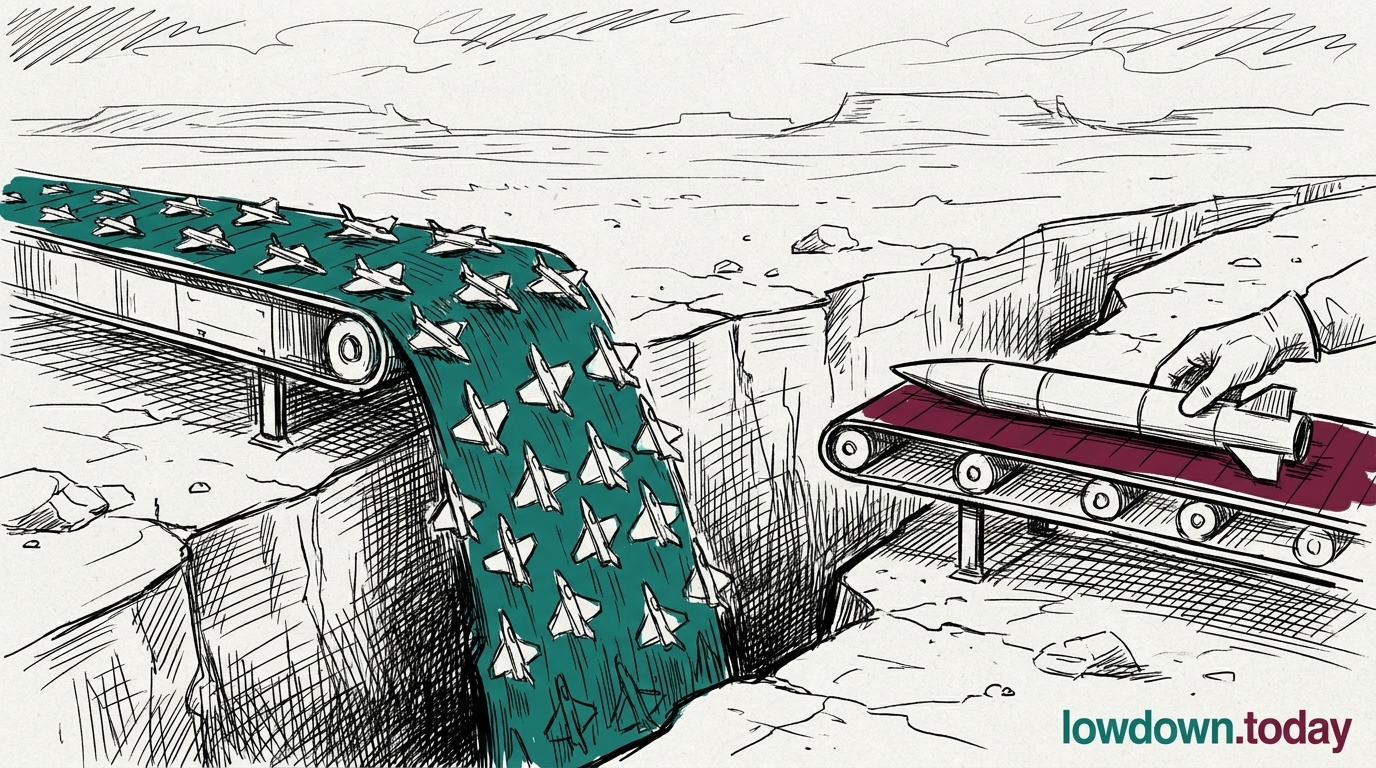
For British defence SMEs, this is the most favourable funding environment in a generation. The UKDI rapid investment tranche that funded the Callen-Lenz Nyan one-way effector is now part of a much larger programme. The doubling coincides with Cambridge Aerospace's Skyhammer contract and UKDI's fibre-optic call, creating multiple entry points for companies that previously lacked routes into MoD procurement. British manufacturing may struggle to absorb the capital. The UK defence industrial base has contracted substantially since the Cold War; doubling investment without a corresponding workforce and supply chain programme replicates the Arsenal-1 scaling problem at national level.

A Labour government committing £4 billion to autonomous weapons systems represents a doctrinal shift with few precedents in modern UK defence spending. The commitment is being driven by operational evidence from the Gulf rather than ideological preference, which may make it more durable across future administrations.


Deep Analysis

In plain English

The UK government has doubled its planned spending on autonomous military systems from £2 billion to £4 billion over the lifetime of this parliament. A separate £140 million fund is being distributed right now to British small businesses working on drone and counter-drone technology. This is the biggest commitment to autonomous weapons Britain has ever made. It is being driven by what is happening in the Gulf: Iran is firing hundreds of drones at a time, and the cost of shooting them down with traditional missiles is enormous. For British drone companies, this is the best funding environment in a generation. The challenge is that Britain's defence manufacturing industry is much smaller than it was during the Cold War, so finding enough companies and workers to spend £4 billion on is not straightforward.

What could happen next?
  • Opportunity

    The £4 billion commitment creates the most favourable UK defence SME funding environment since the Cold War; companies that can demonstrate delivery in the current £140 million tranche position themselves for follow-on production contracts an order of magnitude larger.

  • Risk

    A Labour government committing £4 billion to autonomous weapons without updating the 2021 autonomous weapons policy creates a legal and governance gap that may be challenged in Parliament or by judicial review if systems cause civilian casualties.

First Reported In

Update #5 · Gulf drone war rewrites procurement

Al Jazeera· 13 Apr 2026
Read original
Different Perspectives
Anduril
Anduril
Anduril views consolidated procurement as enabling rapid scaling — the $20 billion enterprise contract replaces 120 separate Army contracts with a single vehicle. Arsenal-1's early opening positions it to argue manufacturing readiness that CCA competitors cannot yet demonstrate.
Ukrainian drone manufacturers
Ukrainian firms have battle-tested interceptors priced at $2,100–$2,500 per unit and demand from 11 nations, but the wartime export ban forces partnerships with Western firms rather than direct sales.
IISS
IISS
IISS characterises drone innovation in the Russo-Ukrainian war as adaptation within existing military paradigms rather than a transformation of warfare — a more cautious assessment than the Pentagon's procurement urgency suggests.
US Pentagon, Anduril and Shield AI
The Pentagon awarded Anduril a $20 billion enterprise vehicle and confirmed Gauntlet II's live EW red team, prioritising procurement speed over competition; Anduril began YFQ-44A production four months early. Shield AI countered by raising $2 billion and validating Hivemind on a European airframe, betting multi-platform interoperability hedges against Anduril's platform lock.
Volodymyr Zelenskyy / Ukraine
Zelenskyy publicly disclosed that 10 shadow drone factories have been built abroad to circumvent Ukraine's wartime export ban, signed 10-year defence deals with Saudi Arabia and Qatar, and deployed 228 specialists across five Gulf states. The disclosure is a calculated signal that the ban is fracturing and Kyiv is seeking revenue structures independent of Western aid.
Saudi Arabia
Saudi Arabia
Saudi Arabia signed a 10-year defence deal with Ukraine and accepted the deployment of Ukrainian counter-drone specialists the US declined to partner on in August 2025. The Gulf pivot reflects Riyadh's assessment that Ukrainian combat-proven doctrine at $2,500 per interceptor is more cost-effective than Patriot-dependent air defence.



