Skip to content
Briefings are running a touch slower this week while we rebuild the foundations.See roadmap
Cuba Dispatch
4JUN

HRW: Cuban deportees stranded in Mexico

2 min read
11:38UTC

Human Rights Watch documented Cuban deportees from the US being sent to Mexico rather than home, leaving many stateless in transit.

PoliticsDeveloping
Key takeaway

Human Rights Watch documented Cuban deportees from the US stranded in Mexico rather than returned home.

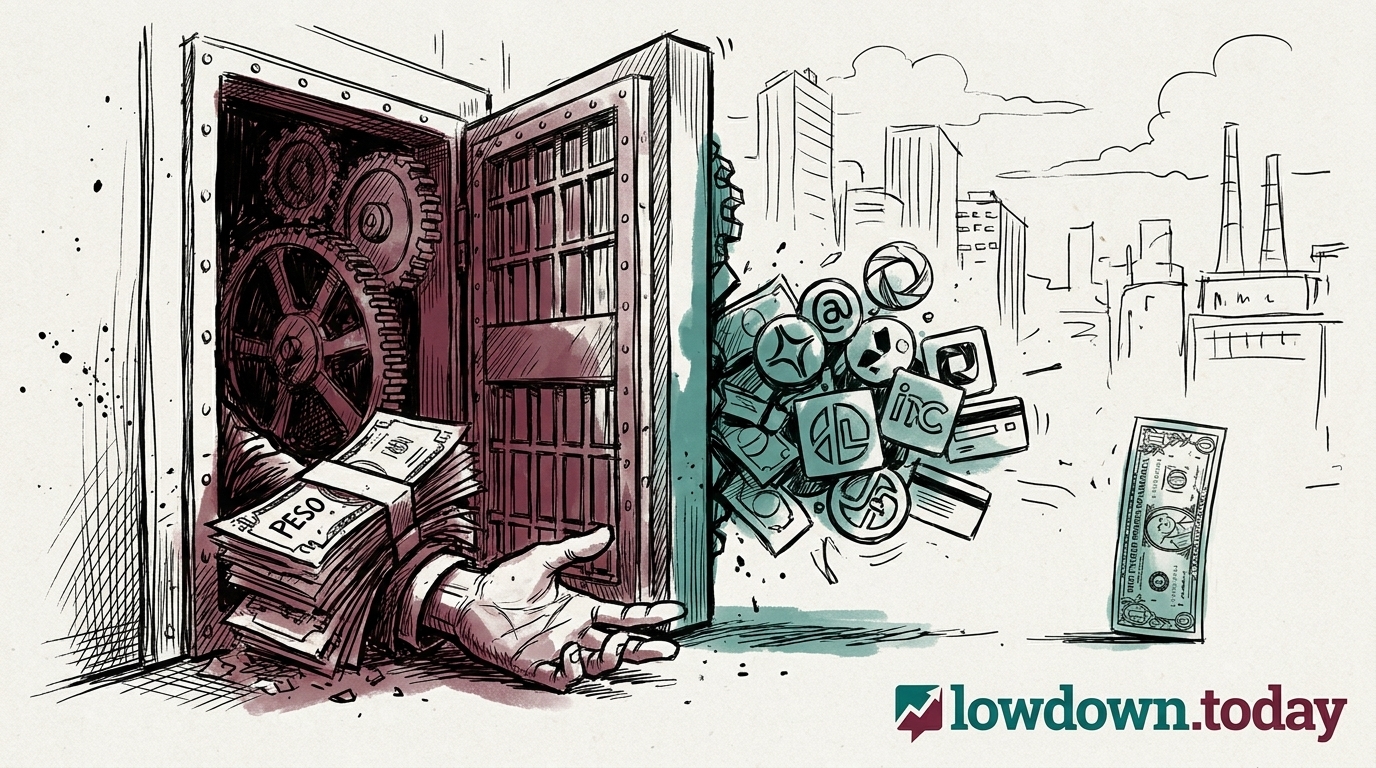
Human Rights Watch (HRW), the international rights organisation, published a report titled "Casting Us Aside to Die" on Wednesday 27 May 2026, documenting Cuban deportees from the United States being transferred to Mexico rather than repatriated to Cuba 1. Many are left without legal status in transit, neither admitted to Mexico nor returned to the island they came from.

The finding sits at the intersection of US migration policy and Havana's posture. Cuba's foreign ministry has framed US measures as an extraterritorial blockade dating back to the spring , but the deportation diversions add a documented, third-country dimension to that argument from an NGO rather than a state. The report does not establish a single cause; it records where the deportees end up.

The humanitarian point stands on its own. Whoever is responsible for the diversion to Mexico, the people caught in it carry the cost, and HRW's documentation makes that pattern citable beyond the competing narratives of Havana and Washington.


Deep Analysis

In plain English

Human Rights Watch published a report on 27 May 2026 documenting what happens to Cubans who are deported from the United States when Cuba will not accept them back. Instead of being flown to Havana, they are handed off to Mexico, where they have no legal status; they are not Mexican citizens, and Cuba has refused to acknowledge them as Cubans deserving repatriation. These people are effectively stateless: no country is willing to give them papers, shelter, or legal rights. HRW's report gave that population the name 'the invisible deportees' and documented cases of people living without identity documents in Mexican border cities for months.

First Reported In

Update #6 · Cuba sanctions hit the cash economy

Human Rights Watch· 4 Jun 2026
Read original
Different Perspectives
Spanish hotel operators
Meliá and Iberostar exited GAESA-linked Cuban hotels before 5 June to protect their broader Caribbean and global portfolios from secondary-sanctions exposure. Spain's commercial stake in Cuban tourism makes Madrid a structural veto risk if the EU advances Cuba-specific restrictive measures under Ollongren's mandate.
Cuban opposition / OCDH
After the US Senate killed a Cuba war-powers check 51-47 on 29 April, the Madrid-based OCDH formally demanded an EU reparations fund for political prisoners on 4 June, routing its pressure campaign to Brussels where the EU's existing restrictive-measures machinery, used previously against Venezuela and Belarus, does not require a Senate majority.
China
China
Beijing paired a birthday telegram to Castro with no operational commitment on fuel or credit, using the occasion to signal non-abandonment ahead of the G20 without incurring the cost of a replacement tanker. China has no military-logistics presence in the Caribbean comparable to Soviet-era capacity.
Russia
Russia
Moscow sent an official birthday message to the indicted Raúl Castro on 3 June, a deliberate legitimacy signal to Global South partners, while Sovcomflot has announced no replacement for the Universal's 270,000-barrel cargo that turned away on 26 May. The pattern mirrors Soviet public solidarity during the 1962 crisis while privately managing exposure.
Trump administration / OFAC
Washington let a calendar date do the work: no new designations were needed after 18 May, and the looming 5 June expiry, which strips foreign firms' legal-exit defence, drove the hotel exodus and card suspension without a second executive action. The administration has not publicly commented on the compound utility failures.
Cuban government and citizens
Havana's only countermeasure this week was a Granma editorial defending GAESA by name, conceding the designation is biting hard enough to require a public answer. Residents of Havana and Guanabacoa banged pots on the nights of 3-4 June, the first confirmed capital protests, after gas, water, and the state milk ration all failed.
