Skip to content
You can now search across every topic, entity and event.What's new
Cuba Dispatch
26JUL

Washington takes the pressure to Panama

1 min read
10:44UTC

The US Ambassador to Panama warned Panamanian banks and firms on 13 July over Cuban sanctions evasion, naming Fincimex and BFI as examples of the risk.

PoliticsDeveloping
Key takeaway

Washington took its Cuba sanctions warning directly to Panama's banks and their compliance desks.

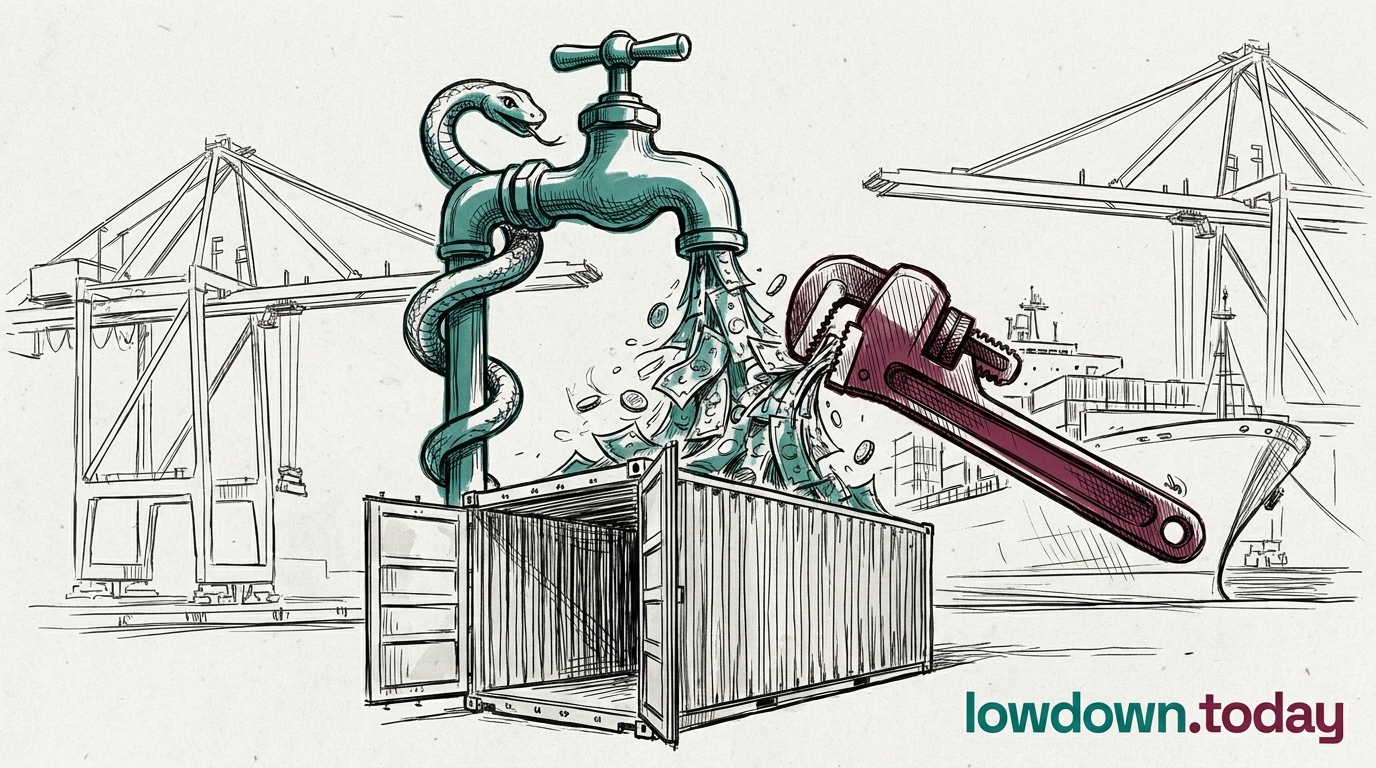
Kevin Marino Cabrera, the US Ambassador to Panama, and State Deputy Assistant Secretary Samuel Parker warned Panamanian banks and firms on Monday 13 July about the sanctions risk of facilitating Cuban evasion, citing Fincimex, Cuba's remittance processor, and Banco Financiero Internacional (BFI) as examples 1.

Panama's banking sector and the Colón Free Zone have long provided a re-export and settlement channel for Cuban trade that cannot clear through US-linked correspondent banks. OFAC had designated the bank itself on 23 June . Naming it again to a room of Panamanian bankers does something the designation alone cannot: it puts the compliance officers of institutions outside US jurisdiction on notice that the relationship now carries a documented risk. Banks de-risk on the strength of that notice long before any enforcement action, which is how a designation propagates into markets Washington cannot reach directly.


Deep Analysis

In plain English

Kevin Marino Cabrera, the US ambassador to Panama, and Samuel Parker, a State Department deputy assistant secretary, met Panamanian banks and firms on 13 July to warn them against "sanctions evasion" tied to Cuba. This is not a new sanction; it is a warning to third-country banks that doing business with entities already on the US sanctions list carries risk even if the bank itself is Panamanian, not American. The entities they cited as examples, Fincimex, Cubita coffee, BFI and RAFIN, were all sanctioned months or years earlier. The meeting's purpose was to make sure Panama's financial sector understood the exposure, not to announce anything new.

What could happen next?
  • Consequence

    Panamanian banks and firms doing any business with the named entities now have direct, explicit US notice of sanctions-evasion risk, raising the likelihood of de-risking (banks simply refusing Cuba-linked business to avoid exposure).

First Reported In

Update #11 · Cuba blames the blockade for a 64% gas rise

CiberCuba· 17 Jul 2026
Read original
Causes and effects
This Event
Washington takes the pressure to Panama
Warning third-country bankers face to face is how a US designation reaches institutions that US jurisdiction cannot bind.
Different Perspectives
Spain (Foreign Ministry and hotel investors)
Madrid has worked to shield Spanish hotel operators exposed to Cuba, and OFAC's General Licences 2 and 3 winding down the Guernsey-listed CEIBA Investments fund give those investors a defined exit rather than an abrupt block. Spain's stake in managing an orderly wind-down, not confronting the designation itself, keeps it distinct from Havana's collective-punishment framing.
Cuban Ministry of Foreign Affairs (MINREX)
Foreign Minister Bruno Rodriguez Parrilla called the 23 July designations "castigo colectivo" and defended the medical missions as protecting healthcare access for patients in the countries where Cuban doctors serve, without addressing the evasion allegation against Coral Maritima directly.
US Treasury (OFAC) and State Department
OFAC designated Cuba's medical-missions operators and named the Mariel-Coral Maritima transfer as GAESA sanctions evasion on 23 July, characterisations Washington has not independently substantiated in public documents reviewed. The administration frames the wave as closing hard-currency channels sector by sector, following the same pattern applied to tourism and financial clearing in June and July.
Human rights monitors (OCDH and Prisoners Defenders)
OCDH's 14 July dictamen named the specific offices responsible for holding Otero Alcántara past his sentence-expiry date; Prisoners Defenders counted 1,306 political prisoners, including 40 detained minors, on 9 July. Both oppose the Cuban government's account without endorsing Washington's sanctions instrument as a remedy.
US State Department
US State Department
Secretary Rubio said Cuba 'continues to ally itself with America's enemies' and framed the 13 July designations as deploying 'every tool at our disposal', now citing forced-labour export to Angola for the first time. These quotes rest on cached web snippets; state.gov was unreachable this run and could not be directly verified.
Cuban Ministry of Foreign Affairs
Foreign Minister Bruno Rodríguez Parrilla called the 13 July designation package 'criminal and genocidal' and said 'Cuba is not a threat and US intelligence agencies know it'. State media frame the 16 July gas-price rise as a direct consequence of the intensifying blockade, though Havana has not disclosed its own container-import shift dated 3 July.