Skip to content
Briefings are running a touch slower this week while we rebuild the foundations.See roadmap
Artemis II Moon Mission
6APR

Apollo 16 Astronaut Sends Easter Message to Crew

1 min read
14:21UTC

Charlie Duke's 1972 Lunar Module was also named Orion, and his family photograph is still on the surface below.

ScienceDeveloping
Key takeaway

A photograph placed on the Moon in 1972 lies directly below the spacecraft named after Duke's Lunar Module.

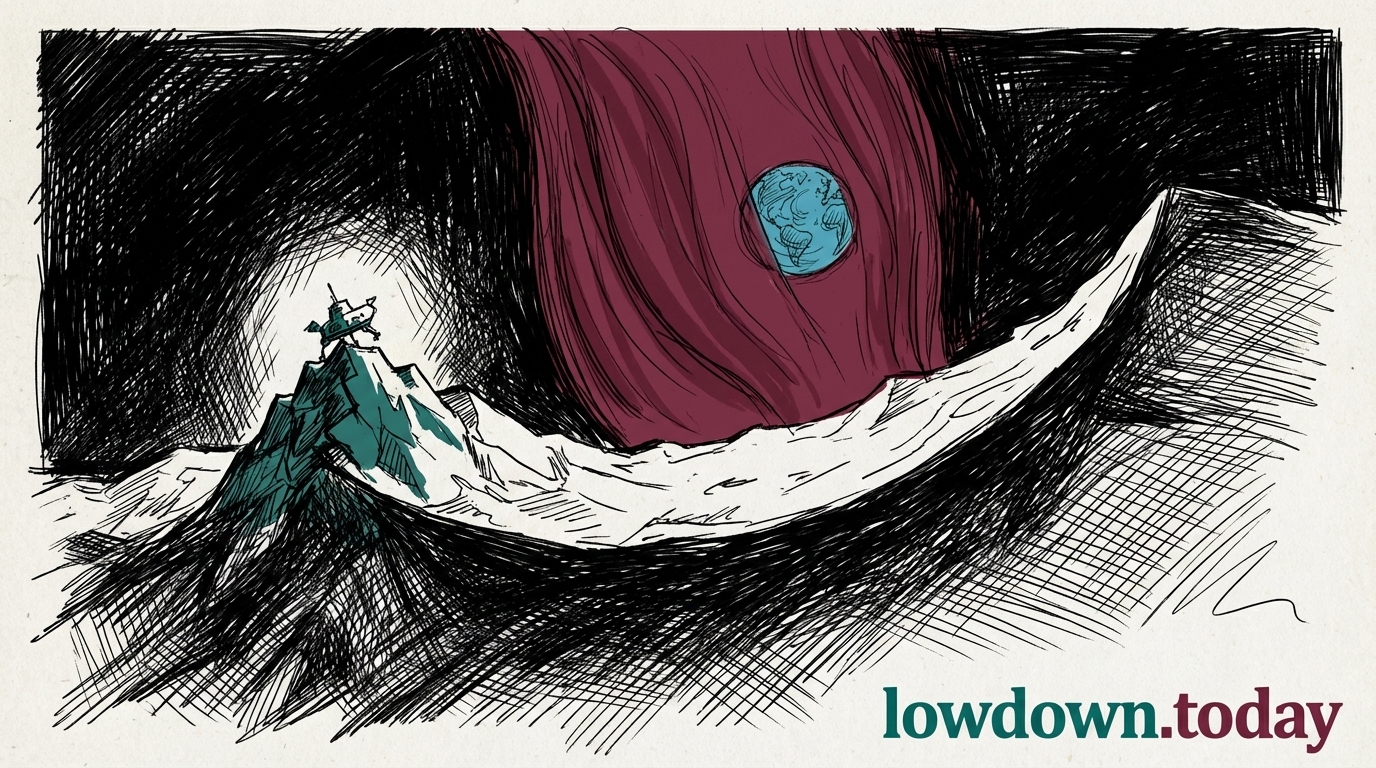
Charlie Duke, the Apollo 16 astronaut whose Lunar Module was also named Orion, transmitted an Easter message to the Artemis II crew on Day 5.1 Duke noted that a family photograph his crew placed on the lunar surface 54 years ago is still there, directly below the spacecraft's flyby path.

Duke walked on the Moon in April 1972, three missions before the programme ended with Apollo 17. The coincidence of the spacecraft name is not planned; Orion was selected independently for NASA's deep-space capsule. But the connection is real: the same name, the same destination, and a photograph on the ground that has outlasted every crewed lunar programme since it was placed there. The mission that launched on 1 April now flies over it.

Deep Analysis

In plain English

Charlie Duke walked on the Moon in April 1972 as part of the Apollo 16 mission. His Lunar Module, the small vehicle he used to land on the surface, was named Orion. That is the same name as the spacecraft the Artemis II crew are flying. Before Duke left the Moon, he placed a laminated photograph of his family on the surface. It has been there ever since, exposed to the Moon's environment for 54 years. On Easter morning, Day 5 of Artemis II, Duke sent a personal message to the crew, noting that his photograph is still on the surface directly below their flight path. Duke is the last surviving moonwalker. The message creates a direct link between the person who last walked on the Moon and the first new crew to return to its vicinity.

First Reported In

Update #5 · Records fall while Orion goes silent

· 6 Apr 2026
Read original
Different Perspectives
JAXA
JAXA
JAXA is an Artemis Accords signatory with the Lunar Cruiser rover planned for south-pole surface operations; Chang'e 7's first-arrival timeline compresses the window those surface systems were designed to operate in alongside American crew.
Space Research Institute RAS / Roscosmos
The LILEM instrument on Chang'e 7 gives Russia science-cooperation presence at Shackleton's rim with no independent crewed lunar capability on a public timeline. This is Roscosmos's only confirmed path to south-pole science in the current decade.
CNSA / China Manned Space Agency
Chang'e 7 at Wenchang confirmed a second-half 2026 launch for Shackleton rim, 18 to 24 months before any American crewed arrival. The mission carries a Russian LILEM instrument, giving Roscosmos a south-pole science foothold inside China's programme.
Jeremy Hansen / Canadian Space Agency
Hansen appeared at the 16 April JSC press conference in his only public moment since splashdown. Canada's Canadarm3 remains without a confirmed deployment host after Gateway cancellation, with CSA maintaining institutional silence on the programme's status.
Airbus Defence and Space
Airbus has issued no post-mission ESM performance statement; its press room returned a 404 error on a 14 April check. The only named Airbus engineer quote on the mission appeared in a Nature interview, not a company release.
Daniel Neuenschwander / European Space Agency
ESA's 11 April statement praised ESM translunar injection precision and omitted the pressurisation valve anomaly; the June 2026 Council is the sole stated review forum. ESM-3 is at KSC without a corrected-baseline disclosure to justify its readiness.