Skip to content
Briefings are running a touch slower this week while we rebuild the foundations.See roadmap
Artemis II Moon Mission
2APR

Camarda's 1-in-20 risk estimate, half vindicated

2 min read
11:46UTC

The mission succeeded, but NASA's silence on post-splashdown inspection findings leaves open whether the underlying engineering concern the pre-launch critic identified has been resolved.

ScienceDeveloping
Key takeaway

The mission surviving is not the same as the engineering question being answered.

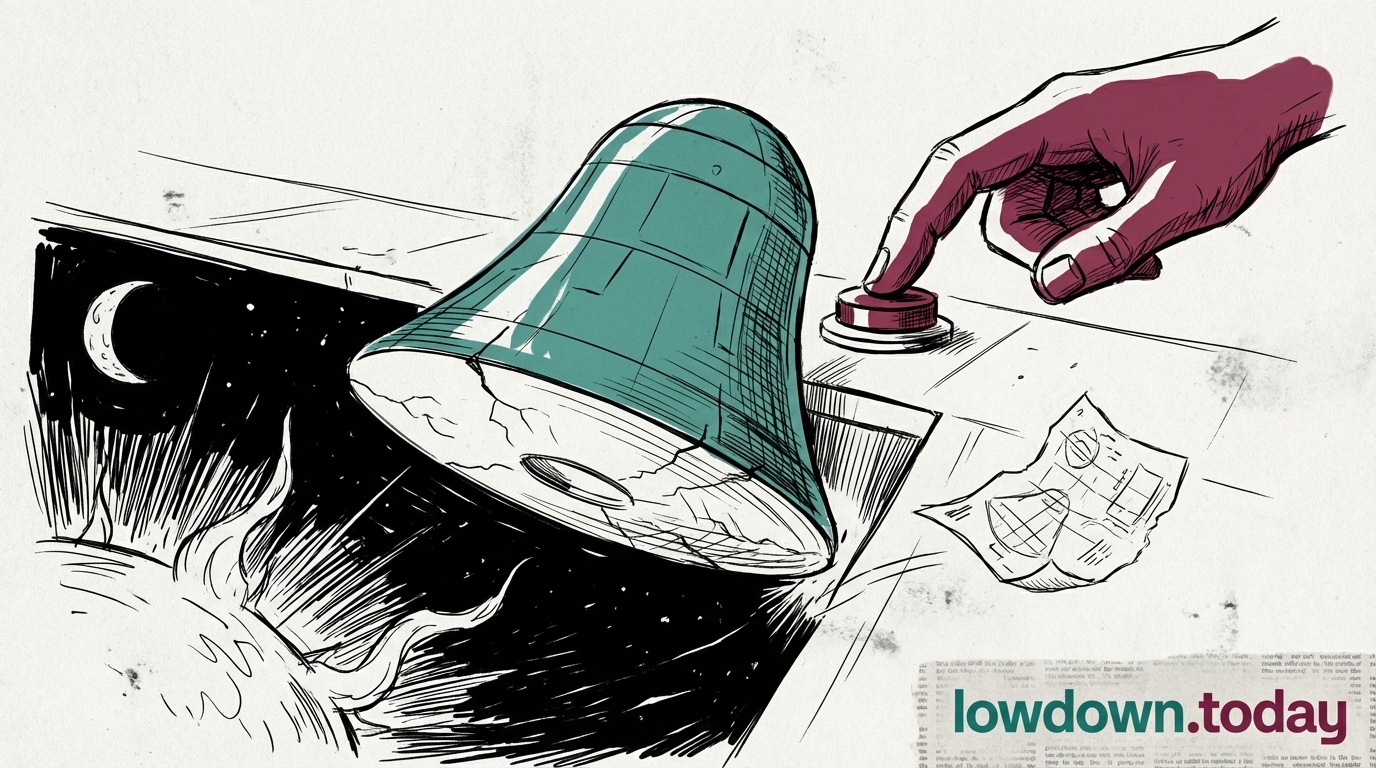
Dr Charles Camarda, a former NASA astronaut and engineer, put the Artemis II catastrophic failure probability at 1 in 20 before launch and called the modified trajectory "playing Russian roulette" 1 2. He told NBC News the heat shield was "deviant" and that NASA did not understand what caused the Artemis I failure. The mission succeeded, which means Camarda was wrong about the outcome.

He may still be right about the underlying engineering: NASA has already ordered a redesigned Artemis III shield with altered billet loading and greater Avcoat permeability 3. Howard Hu set a public benchmark the day before splashdown that the post-mission press conference did not address. The post-mission silence leaves Camarda's assessment neither confirmed nor refuted by data, only by mission survival. The OIG audit (IG-24-011) shows survival is an insufficient test: the bolt melt scenario it documented would produce a fatal re-entry orientation without triggering a loss-of-signal alarm.

The disclosure that would settle the question sits in a Kennedy Space Centre laboratory. Until KSC publishes its heat shield findings, the 1-in-20 estimate belongs in the category of unchallenged pre-mission critique. That is a category NASA has not previously had to manage: a named engineer, with relevant credentials, on the record before launch, whose concern the agency cannot yet address with data.

Deep Analysis

In plain English

Before Artemis II launched on 2 April 2026, a former NASA astronaut and engineer named Dr Charles Camarda went public with a stark warning. He told NBC News that the Orion heat shield was 'deviant' and that launching the crew was 'playing Russian roulette'. He estimated the probability of catastrophic failure at 1 in 20. He said NASA did not fully understand why the heat shield had charred and shed material on the Artemis I uncrewed test mission. The crew returned safely. In one sense, Camarda's warning did not come true. In another, the mission surviving is not the same as the engineering question being answered. At the post-splashdown press conference, NASA provided no heat shield data, no assessment of whether the charring pattern differed from Artemis I, and no update on what caused the original problem. Camarda's estimate was described as 'half vindicated' by analysts: he was right that the heat shield situation was not fully understood; he was wrong that the mission would end in disaster. The question of whether the underlying engineering concern is resolved remains open.

What could happen next?
  • The absence of heat shield data at the post-splashdown conference means the Camarda critique cannot be formally answered until TPS findings are published, likely weeks to months after splashdown.

  • If heat shield post-flight data shows any unplanned ablation, Camarda's public dissent will gain substantial retrospective credibility and may trigger Congressional hearings on NASA's crew-certification process.

First Reported In

Update #9 · First crewed Moon return since Apollo 17

NBC News· 11 Apr 2026
Read original
Different Perspectives
JAXA
JAXA
JAXA is an Artemis Accords signatory with the Lunar Cruiser rover planned for south-pole surface operations; Chang'e 7's first-arrival timeline compresses the window those surface systems were designed to operate in alongside American crew.
Space Research Institute RAS / Roscosmos
The LILEM instrument on Chang'e 7 gives Russia science-cooperation presence at Shackleton's rim with no independent crewed lunar capability on a public timeline. This is Roscosmos's only confirmed path to south-pole science in the current decade.
CNSA / China Manned Space Agency
Chang'e 7 at Wenchang confirmed a second-half 2026 launch for Shackleton rim, 18 to 24 months before any American crewed arrival. The mission carries a Russian LILEM instrument, giving Roscosmos a south-pole science foothold inside China's programme.
Jeremy Hansen / Canadian Space Agency
Hansen appeared at the 16 April JSC press conference in his only public moment since splashdown. Canada's Canadarm3 remains without a confirmed deployment host after Gateway cancellation, with CSA maintaining institutional silence on the programme's status.
Airbus Defence and Space
Airbus has issued no post-mission ESM performance statement; its press room returned a 404 error on a 14 April check. The only named Airbus engineer quote on the mission appeared in a Nature interview, not a company release.
Daniel Neuenschwander / European Space Agency
ESA's 11 April statement praised ESM translunar injection precision and omitted the pressurisation valve anomaly; the June 2026 Council is the sole stated review forum. ESM-3 is at KSC without a corrected-baseline disclosure to justify its readiness.