Skip to content
Welcome, thoughtbot's Giant Robots listeners!Start here
AI: Jobs, Power & Money
16APR

IFS puts Budget headroom near £20bn

3 min read
13:29UTC

Pre-Budget estimates of the government's headroom run from about £12bn, relayed by City AM, to about £20bn from the IFS, whose director says a steady-as-she-goes Budget is not an option.

EconomicDeveloping
Key takeaway

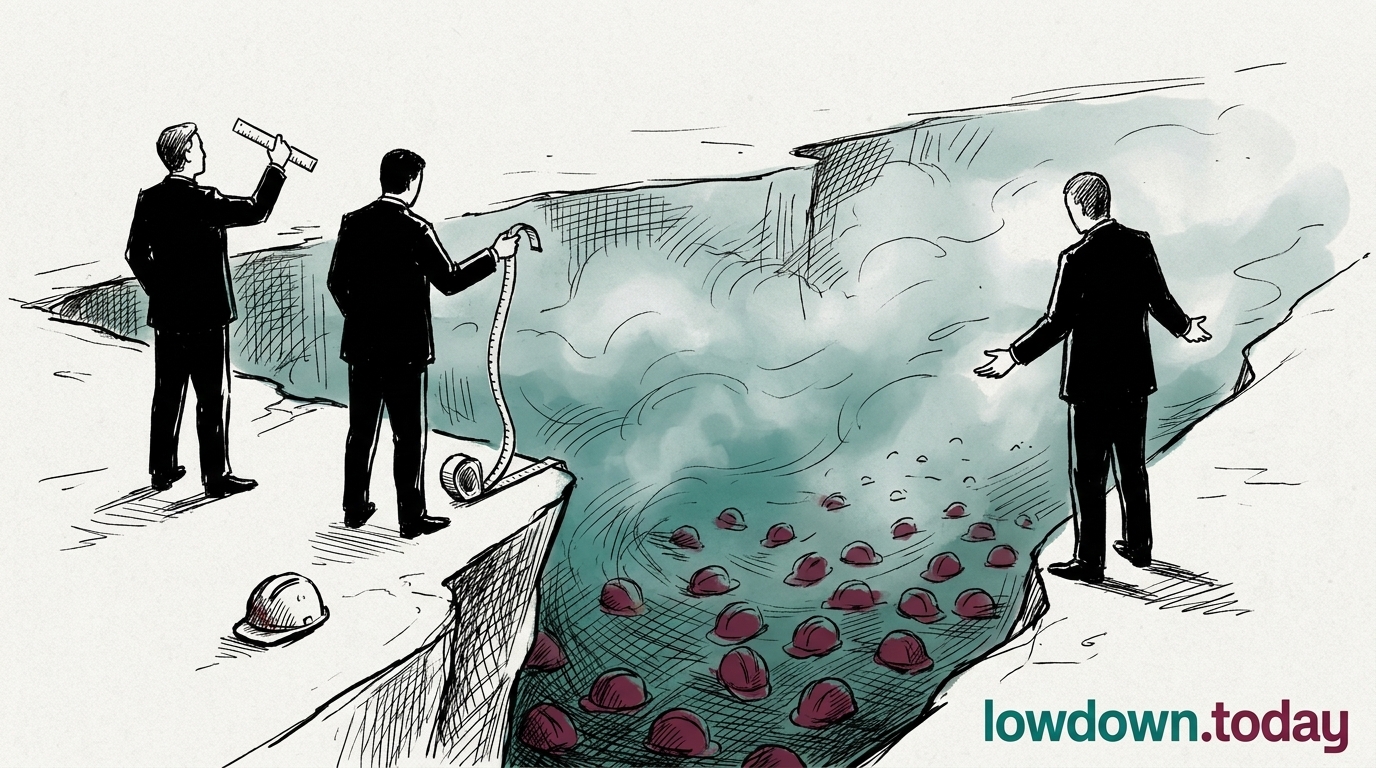
Headroom estimates of £12bn to £20bn sit below the OBR's up-to-£23.8bn cost of a one-point yield rise.

The Institute for Fiscal Studies (IFS) put the government's fiscal headroom at about £20bn for 2029-30 in a "plausible scenario", The Independent reported on 12 October⁠1. Headroom is the margin by which the government expects to meet its own borrowing rule, and it shapes how much the 28 October Budget must raise or cut. The IFS said changes to the earnings forecast alone could move its figure by about £10bn either way. Lower down the range, City AM attributed an estimate of about £12bn to unnamed City economists on 21 October⁠2.

The £23.6bn often quoted as March's headroom is not an official verdict. The March 2026 outlook from the Office for Budget Responsibility (OBR), the official forecaster, did not assess the fiscal rules; £23.6bn is the current budget surplus it forecast for 2029-30, the year the main rule is tested⁠3.

Yields move headroom faster than monthly borrowing does. City AM relayed OBR sensitivity analysis in which a sustained one-point rise in gilt yields, inflation and expected short-term rates together would cost up to £23.8bn of headroom, about four times the half-year overshoot⁠4. Debt interest already takes about £1 in every £13 of government spending, on the IFS's figures⁠5.

IFS director Helen Miller said "a steady-as-she-goes Budget is not an option"⁠6. The IFS puts the cost of avoiding cuts and funding higher defence at around £35bn of tax rises or benefit cuts, with defence at 3% of GDP by 2030 costing £11bn in 2030-31. The £10.3bn Defence Investment Plan already leans on £3.5bn of one-off money, and Chancellor John Healey has ruled out rises in value added tax (VAT), income tax and corporation tax.


Deep Analysis

In plain English

The government has set itself rules about how much it can borrow. Headroom is the gap between what the official forecaster expects and the limit those rules allow. Think of it as the spare room on a credit card limit five years from now. If the forecast says the government will be £20bn inside its limit, that £20bn is its headroom. Estimates before the Budget on 28 October range from about £12bn to about £20bn. They move a lot because small changes in forecasts for wages, interest rates or inflation change the picture five years out.

Deep Analysis
Root Causes

The fiscal rules judge one year, the fifth of the forecast, so small changes in long-range assumptions move the headroom far more than this year's borrowing does. A wage forecast that raises income tax receipts in 2029-30 adds headroom today.

Governments have tended to set policy to use most of the available margin, leaving headroom thin by design. A thin margin then falls inside the normal error band of the forecast, which turns each new forecast into a Budget event.

What could happen next?
  • Risk

    A rise in gilt yields before the forecast is closed could erase more headroom than the half-year borrowing overshoot.

  • Consequence

    With VAT, income tax and corporation tax ruled out, any squeeze is likely to fall on thresholds, smaller taxes, spending or welfare.

First Reported In

Update #5 · Debt passes £3trn, its ratio below forecast

City AM· 22 Oct 2026
Read original →
Different Perspectives
Competition and Consumer Commission of Singapore
The regulator found on 27 November that businesses can still choose and switch between cloud providers and AI models. It named dominant firms blocking rival AI agents as a risk, but answered with eight voluntary principles rather than rules.
La Poste
La Poste
France's state-owned postal group signed its first AI accord with four union confederations on 19 November, setting up a joint committee to oversee AI use. The announcement gives the unions a say, but no job security and no training hours for its 227,000 staff.
Nascent Information Technology Employees Senate (NITES)
The IT workers' union asked India's central government on 26 November for a mandatory national policy on AI layoffs, with every automated job cut logged in public. It expects to meet Labour Ministry officials; no government response has been reported.
China State Council
China State Council
Beijing's cabinet told local governments to pace AI in labour-intensive industries and to screen large AI projects for job losses. It keeps backing AI but wants the replacement of workers slowed, and it set no numeric targets.
SAP
SAP
SAP answered Bloomberg's report of at least 10,000 planned job cuts by telling CNBC that nothing is settled. In Germany a cut on that scale goes through works councils, and its 2024 round of about 10,000 ended mostly in voluntary departures.
Nvidia's board of directors
The board reinstated Jensen Huang on 22 November after input from senior levels of the US government, while its committee of independent directors keeps investigating. Its confidence rests, by its own account, on Washington's input, and the company says it will keep cooperating with government inquiries.

Written with AI from Lowdown's published reporting. Not individually reviewed by an editor. Editorial standards.
