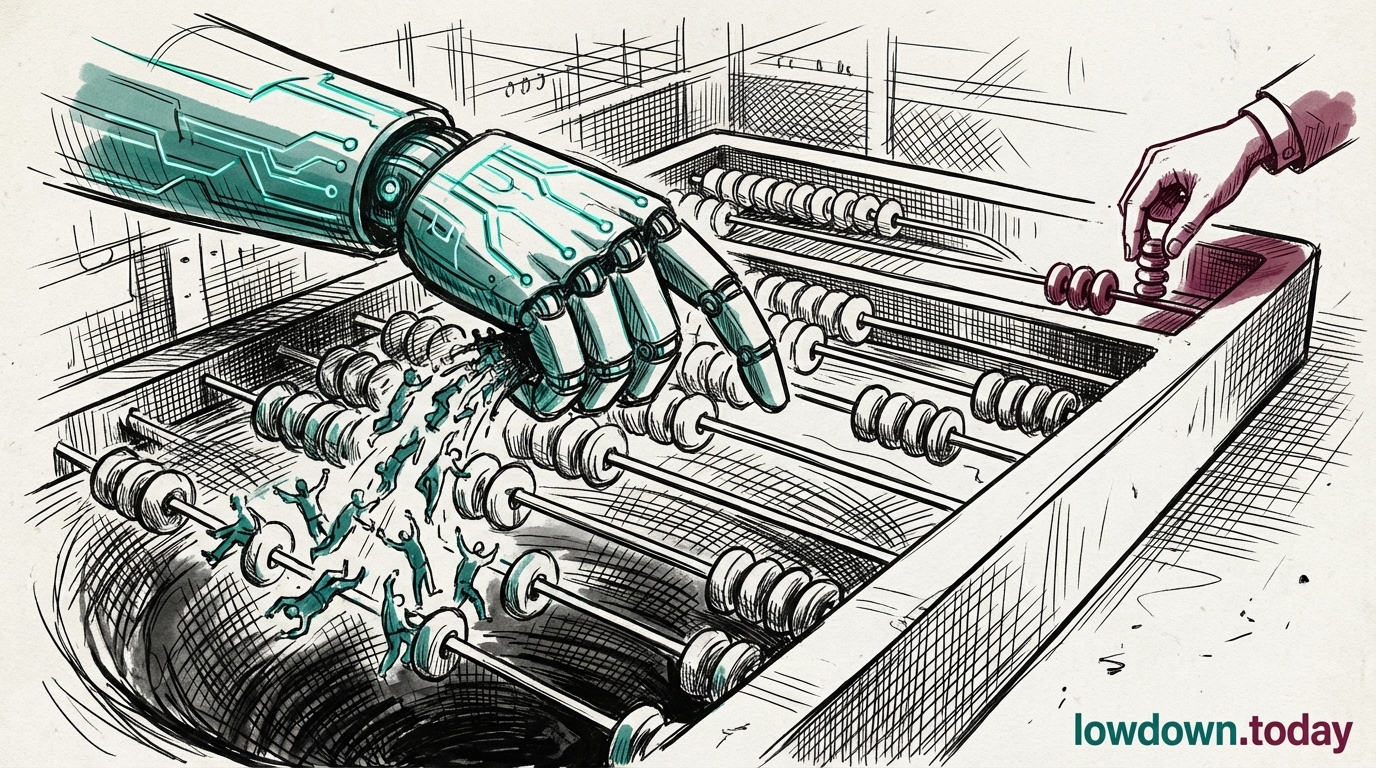
EU negotiators reached a provisional agreement on the EU Digital Omnibus in the early hours of Thursday 7 May 2026, ahead of a third trilogue that had been scheduled for Wednesday 13 May. The binding employer AI literacy obligation, which would have required firms deploying AI on or alongside staff to ensure workers could understand how the systems operate, with documentation, explanation, and appeal pathways, was dropped in its entirety.
The final text requires the European Commission and Member States only to "encourage and support AI literacy in society": a government advisory clause with no enforcement mechanism, no employer duty, and no penalty for non-compliance. The high-risk employment deadline under Annex III (the EU AI Act schedule listing categories of high-risk AI applications, including those used in employment and worker management decisions) is delayed to 2 December 2027. Annex I obligations move to 2 August 2028. Brussels spent 18 months building toward the binding literacy requirement. The Council's non-binding encouragement language won the negotiation.
While Brussels retreated, China's courts moved in the opposite direction. The Hangzhou Intermediate People's Court upheld, on appeal, a ruling that an employer cannot dismiss a worker for AI cost reasons without offering retraining. The Beijing People's Court had established the foundational precedent in December 2025: under China's Labour Contract Law Article 40 (the unilateral termination clause), planned AI adoption counts as the employer's deliberate strategy, not a qualifying major change in circumstances that justifies dismissal. Those rulings are enforceable by individual workers in court. The EU literacy obligation, had it survived, would have required employer documentation and created a similar avenue for challenge.
The regulatory map after 7 May 2026: the only binding, judicially tested AI employment law in any major jurisdiction is Chinese. The EU has retreated to a position weaker than the US status quo. The United States has an Attorney General AI Task Force (established 9 January 2026) and a Commission study bill, the Economy of the Future Commission Act (S.3339), endorsed by the companies it would notionally regulate. No litigation has been filed. The legal geography that Western policymakers projected in 2023 has been inverted by the negotiating outcomes of May 2026.





