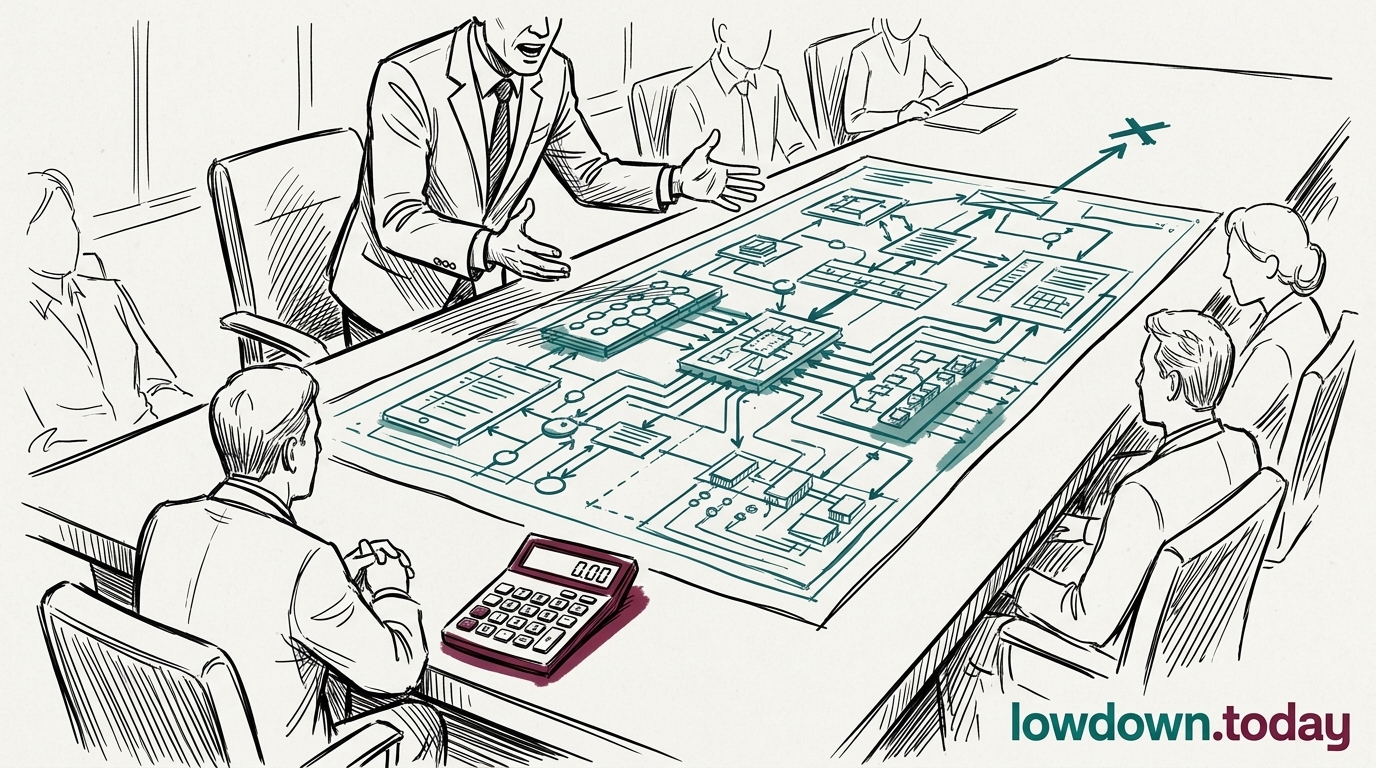
SAG-AFTRA is negotiating a "Tilly Tax" in its 2026 contract talks with The Alliance of Motion Picture and Television Producers — a royalty on AI-generated performers structured so that using a synthetic actor costs studios the same as, or more than, hiring a real one. Revenue from the levy would flow into the Union's healthcare and pension funds. Brendan Bradley, a member of SAG-AFTRA's AI task force, told Variety: "Is that a perfect solution? No. But it's under the category of the best bad idea we've got in 2026" 1.
The mechanism is distinct from every other AI labour response currently in play. Sanders' robot tax (a per-position levy applied after displacement) and the Warner-Rounds commission (a study-first approach) both operate at the macro-policy level. California's SB 951 requires 90 days' notice for AI-driven mass layoffs . The United Steelworkers in Pittsburgh sought to block AI-based monitoring outright but settled for sub-inflation wage increases and no binding job guarantees . The NYT NewsGuild demanded human oversight for AI-generated content and a share of licensing income, winning an AI impact committee but not the licensing revenue . Each of these either regulates AI use or compensates after the fact. The Tilly Tax does neither — it eliminates the cost advantage that makes substitution attractive in the first place.
The entertainment industry is a natural testing ground because AI replication of individual performers is already technically feasible and commercially tempting. Studios can generate synthetic likenesses, voice performances, and background actors at a fraction of scale rates. The 2023 SAG-AFTRA strike secured initial protections against unauthorised digital replicas, but those provisions addressed consent, not economics. The Tilly Tax closes that gap: even with consent, the studio pays.
Whether AMPTP accepts the structure is another question. Studios are spending heavily on AI production tools, and the $650–690 billion AI infrastructure commitment across major tech firms is partly premised on content generation at lower marginal cost. A royalty that neutralises those savings undermines the business case. Bradley's candid framing — "the best bad idea" — reflects the Union's own awareness that the tax is a holding action, not a permanent settlement. If AI-generated performances improve to the point where audiences cannot distinguish them from human work, the pressure to erode or circumvent the royalty will intensify. For NOW, it is the most inventive labour-side response to AI displacement in any US sector: not a ban, not a study, not a disclosure requirement, but a price floor that makes the human option competitive by design.